

Why Post-Frame Construction Is Ideal for Agricultural Storage and Workshops in Rural Western Canada

Quick Answer
Agricultural post-frame buildings stand out as the practical choice for rural Western Canada farms because they deliver exceptional durability against prairie extremes. By anchoring laminated posts directly into the ground or precast concrete columns such as DuraColumns, this method eliminates the need for massive concrete pours. The result? A wide, column-free interior optimized for heavy machinery and custom workshops. Modern upgrades such as Storm bracket, Frost Shield, DuraPanel and Metal Cladding add long-term resilience without complexity.
Introduction
Picture a Saskatchewan spring where overnight temperatures plunge below –30 °C, then climb rapidly enough to crack conventional foundations. Farmers watch expensive poured-concrete barns shift and heave year after year, forcing costly repairs just when field work demands attention. Post-frame construction sidesteps that headache entirely.
The technique relies on embedding pressure-treated or laminated posts deep into the soil or into engineered precast columns, creating a stable skeleton that flexes slightly with freeze-thaw cycles rather than fighting them. Many producers turn to post-frame building experts for guidance on matching local soil conditions and wind zones to the right post depth and bracing.
What really sets these structures apart in rural Alberta, British Columbia, and Saskatchewan is how well they perform under relentless weather pressure while staying adaptable. One season you might need space for combine headers and grain carts; the next, the same clear-span interior becomes a repair bay or calving area. The result feels straightforward and tough – exactly what the prairies require.
How Post-Frame Buildings Handle Western Canada's Harsh Climate
Western Canada throws everything at farm buildings: chinook winds gusting over 100 km/h, snow accumulations topping 200 cm in parts of British Columbia's interior, and freeze-thaw cycles that can shift foundations overnight in Saskatchewan. Post-frame construction meets these challenges head-on through smart engineering choices that traditional methods often struggle to match.
Engineered for High Winds and Snow Loads
Trusses in modern agricultural pole barn storage solutions are designed to local snow load requirements, frequently 2.0–3.5 kPa or higher, depending on the exact rural zone. Roof pitches of 4:12 or steeper let snow slide off instead of piling up. Metal roofing with standing-seam profiles resists wind uplift far better than shingles. The result stands firm when blizzards hit.
Frost Heave Protection That Works
Frost heave remains the silent killer for many structures on the prairies. Posts embedded below the frost line – typically 5 to 7 ft in most areas – reach stable soil. To provide an extra layer of defense, high-performance perimeter insulation like Frost Shield can be used. By strategically placing this insulation around the building's exterior, the frost line is physically moved away from the foundation.
This clever bit of thermal engineering keeps the ground beneath the posts warmer and more stable, neutralizing the soil expansion that causes traditional buildings to shift and 'jack' during the spring thaw.
Storm Brackets and Lateral Stability
High-velocity winds can twist or lean a building if connections stay weak. Proprietary storm brackets bolt posts to trusses and girts, cutting deflection dramatically – sometimes by 300 percent or more in tested designs. These steel hardware pieces turn the frame into a unified box that resists racking. In windy regions like southern Saskatchewan, this hardware proves its worth every gusty season.
Metal Cladding as the First Line of Defence
Weather protection starts at the skin. Galvalume or pre-painted steel siding and roofing shrug off hail, wind-driven snow, and corrosive prairie dust. Unlike wood or older materials, metal panels hold up without constant repainting or sealing.
The old prairie wisdom rings true here: build tough enough to laugh at the weather, and the weather will eventually tire itself out. Post-frame buildings, when detailed right, do exactly that.
Cost and Time Advantages for Rural Farm Projects
Post-frame construction shines brightest when budgets and calendars stay tight – conditions that describe most rural operations across Western Canada. By simplifying the foundation and reducing material demands, this method delivers measurable savings without sacrificing strength.
Lower Upfront Material and Labour Costs
Traditional poured-concrete foundations often eat 25–40 percent of the total project budget. Post-frame sidesteps those almost entirely. Posts, trusses, and metal cladding arrive pre-engineered, so crews spend far less time cutting, fitting, and waiting for concrete to cure.
Faster Return to Field Work
Time saved translates directly to revenue. A building finished in early spring means equipment stays dry and ready when planting begins. Delays on a conventional barn can push operations back a full season in short-growing regions like the northern prairies.
Scalability Without Breaking the Bank
Start with a basic 40 × 60 foot structure for machinery storage. Later, bolt on a lean-to for extra hay space or a workshop bay. Each addition costs far less than starting fresh because the original posts and trusses already carry part of the load.
Key Modern Features in Durable Farm Structures
Modern agricultural post-frame buildings go well beyond basic posts and metal siding. Advances in materials and hardware make these structures tougher, longer-lasting, and better suited to the extreme conditions found in rural Western Canada.
Precast Concrete Columns for Superior Stability
Many builders now set posts into precast concrete columns – often called DuraColumn-style systems – instead of direct burial. These columns, typically 12–16 inches in diameter and 8–10 feet long, provide a rock-solid base that resists rot, insect damage, and lateral shifting far better than wood in soil. The post attaches via heavy-duty brackets, creating a connection that lasts decades with minimal maintenance.
Frost Shield Technology to Combat Heave
In regions with deep frost penetration, frost heave is a constant threat that can lift and crack interior concrete floors over time. To combat this, advanced foundation systems now utilize Frost Shield, a patented combination of horizontal and vertical rigid insulation.
Rather than allowing the cold to penetrate, this system creates a thermal barrier between the exterior elements and the building’s footprint. By keeping the soil beneath the slab warmer and directing moisture away from the foundation through a sloped design, Frost Shield ensures that the interior floor remains level and stable, even through the most volatile Western Canadian freeze-thaw cycles.
Proprietary Storm Brackets for Wind Resistance
High winds remain a constant threat across the prairies. Storm brackets, heavy-gauge steel connectors that tie posts to trusses and wall girts, increase racking resistance dramatically. Independent tests show these hardware pieces can boost overall frame stiffness by 200–400 percent compared to basic nail or screw connections.
Here are the core upgrades from rural equipment workshops commonly specified:
● Precast concrete columns: Eliminate wood-in-ground contact, extend lifespan 30+ years.
● Frost shields: Significantly reduce the risk of frost heave and seasonal movement in freeze-thaw zones by installing horizontal and vertical rigid insulation around the slab perimeter to prevent moisture migration to the soil
● Storm brackets: Cut deflection under 120 km/h gusts.
● Enhanced truss-to-post hardware: Rated for higher uplift loads common in open prairie sites.
Heavy-Gauge Metal Cladding and Trim
Today’s panels use 26–29 gauge Galvalume steel with high-quality coatings that resist chalking, fading, and corrosion from salty dust or manure runoff. Standing-seam roofs with concealed fasteners handle snow loads without leaks, while screw-down siding with butyl tape seals out wind-driven rain.
These features add upfront cost but pay off quickly through fewer repairs and longer service life. A well-detailed post-frame building now routinely outlasts older designs by two to three decades. The prairie builder’s rule still applies: invest in the details that fight the weather, and the building will fight back for you.
The Future of Resilient Agricultural Storage in Rural Western Canada
Modern Western Canada agricultural construction provides a robust solution for the unique environmental demands of the prairies. By integrating advanced engineering like DuraColumn foundations, Storm Brackets, and Frost Shield technology, these structures remain stable through the most aggressive freeze-thaw cycles.
All in all, choosing post-frame buildings allows rural landowners to secure an adaptable, cost-effective space that prioritizes long-term structural integrity over the complexities of traditional builds.
Similar Articles

In today's highly competitive corporate environment, clinging to outdated technology is a costly mistake. Enterprises globally are realising that their legacy systems, once the backbone of their operations, are now creating severe bottlenecks.

Learn how knowledge management clears duplicate files and conflicting policies, creates one source of truth and keeps your AI and teams accurate.

Giga vs eight for calls: compare talktime, SMS, and IDD allowances, plus what happens when minutes run out, so you pick the right SIM-only plan.

Stay powered and connected with Belkin's portable power banks, chargers, durable cables and routers built for modern devices and everyday reliability.

Learn how Belkin's innovative connectivity solutions, from durable USB-C cables to fast charging, are reshaping everyday tech accessories.
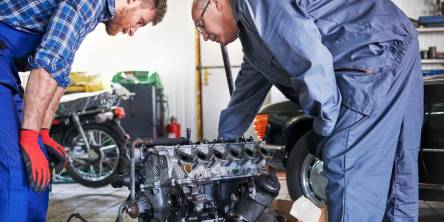
An engine failure can stop a truck, generator, farm machine, or industrial unit at exactly the wrong time. Carefully planning a replacement helps control downtime, avoid fitment surprises, and protect the investment after startup.

Managing multiple documents can quickly become frustrating. Imagine sending several files in an email, uploading different attachments to a submission portal, or sharing a business report with clients across multiple documents.

Energy efficiency is revolutionizing power distribution, leading to more sustainable and cost-effective energy systems.

Moving has a way of making even organized people feel scattered. One minute you’re labeling boxes. The next, you’re hunting for a receipt, calling the utility company, and wondering where the tape disappeared to.