

Vitamin E and Cardiovascular Health. What Science Says?
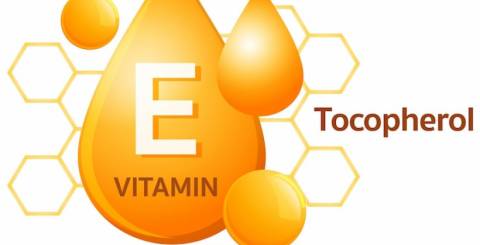
Vitamin E and heart disease are concepts that have been connected since decades ago due to the vitamin's antioxidant effects. Laboratory studies showed that vitamin E might be helpful in preventing the oxidation of LDL (low-density lipoprotein) cholesterol, which was considered to play a role in developing atherosclerosis. The interesting biological effect made vitamin E supplement use very popular in cardiovascular disease prevention, including heart attacks and strokes. However, over time and after years of studying vitamin E by conducting clinical trials and performing systematic reviews, the picture became much more complicated. Although vitamin E is undoubtedly important for health, today it is obvious that vitamin E supplement use does not help prevent heart disease.
Understanding Vitamin E
Vitamin E is one of the fat-soluble vitamins, which consist of eight substances, namely, tocopherols and tocotrienols. Of these, alpha-tocopherol is the most active form for the human body. Vitamin E is mainly used as an antioxidant and protects cells from free radical damage. Among natural foods rich in vitamin E are almonds, sunflower seeds, hazelnuts, spinach, avocados, vegetable oils like sunflower and safflower oils, and enriched cereals. Healthy adults can cover their daily needs for this vitamin through proper nutrition.
Why Researchers Thought Vitamin E Could Protect the Heart
There is evidence of the link between oxidative stress and cardiovascular diseases. If the LDL is oxidized, it leads to accumulation inside the walls of arteries and inflammation with the formation of plaque. As vitamin E can be used for the elimination of free radicals, it has been hypothesized that an increase in its intake will lead to fewer oxidations, slow growth of plaques, and reduced risk of cardiovascular events. At first glance, the observational studies have confirmed the hypothesis. Those people who were on a vitamin E-rich diet had a decreased risk of coronary heart disease. However, such studies could not identify the reason behind the effect, since people who had healthy diets usually had better lifestyles as well.
What Randomized Clinical Trials Found
In order to test whether there is any protective effect of vitamin E on the heart, scientists have run many randomised controlled trials on several thousands of participants. These studies differed from observational research in that they used placebo and control groups where factors other than vitamin E were controlled. Most of the big clinical studies came up with the finding that supplementation with vitamin E does not have an effect on lowering the number of myocardial infarctions, strokes, cardiovascular deaths, and overall mortality. Numerous systematic reviews summarizing the results of several trials confirmed this conclusion, although vitamin E was harmless in standard doses.
Why Did Early Studies and Clinical Trials Differ?
Several theories have been forwarded to justify the inconsistent results found.
Firstly, observation studies rely on measuring food consumption patterns and not individual nutrients. People who take higher amounts of vitamin E tend to take other healthy foods such as fruits and vegetables as well as leading healthy lifestyles. All of these factors may explain some of the cardiovascular benefits recorded.
Secondly, antioxidants are involved in very complex biological processes. Providing the body with just one antioxidant through supplements may not be enough to provide all the protective benefits gained from eating a nutrient dense diet containing hundreds of beneficial compounds.
Lastly, oxidative stress is just a fraction of what causes cardiovascular diseases. It is now known that inflammation, genetics, high blood pressure, diabetes, obesity, high cholesterol levels, and unhealthy lifestyles contribute significantly to cardiovascular disease.
Can Vitamin E Improve Cardiovascular Risk Factors?
Despite vitamin E’s failure to consistently lower cardiovascular events, there have been further studies on the potential effect of vitamin E on certain cardiovascular risk factors.
Dr. Jimmy Mckinney of Sports Cardiology BC said, vitamin E has been found to have a mild effect on lowering oxidative stress and inflammatory markers. There has also been a positive effect on the vascular function of blood vessels in some patient categories.
Studies conducted on blood pressure have shown inconclusive results; however, meta-analysis shows that vitamin E has only a minimal impact in some populations. It is still insufficient evidence to recommend vitamin E supplementation to manage hypertension.
Furthermore, among some patients suffering from chronic kidney disease and on hemodialysis, there have been improvements in inflammatory markers after vitamin E supplementation.
Are High-Dose Supplements Safe?
Dr. Peter Ting of Harley Street of Heart & Vascular Centre said, vitamin E is usually well tolerated as part of regular dietary intake. But there are some issues that have arisen related to its prolonged consumption at high doses.
According to research, very high doses might cause bleeding problems since this vitamin is known to affect blood clotting mechanisms dependent on vitamin K. People who take anti-coagulants, such as warfarin, should pay extra attention to this issue.
Earlier meta-analyses posed some doubts whether high-dose supplementation could result in increased risk of death from all causes, but the recent data do not confirm that. Due to the uncertainty of results, the medical community advises not to consume such supplements.
Current Recommendations from Experts
There is no recommendation from any major cardiovascular organization for taking vitamin E supplements for prevention of heart disease in people who are otherwise healthy.
However, there are certain scientifically proven ways to lower the risk of heart problems, and these include:
-
Eating a Mediterranean diet or one based on plants
-
Exercising
-
Keeping the blood pressure and cholesterol under control
-
Avoiding smoking
-
Managing diabetes effectively
-
Attaining and keeping a healthy weight
All these methods are much better supported by science than taking any kind of supplement for antioxidants alone.
Food First: The Best Way to Obtain Vitamin E
However, it is still best to get the vitamin from food.
This is because foods that contain vitamin E come packed with several other nutrients like healthy fats, fiber, minerals, and other antioxidants that help keep your heart healthy. The intake of nuts, seeds, leafy vegetables, and oils provides better dietary balance rather than supplementation alone. Supplements are necessary only for those people who have been found deficient in the vitamin—though rare.
Conclusion
In terms of scientific knowledge related to the connection between vitamin E and cardiovascular health, there have been many changes during the last three decades. Vitamin E is certainly one of the key elements that are vital for the normal functioning of the human body, but at present it can be concluded that there is strong evidence that regular intake of vitamin E cannot help in avoiding heart attacks, strokes, and death because of cardiovascular diseases. It is evident that vitamin E has the maximum positive impact on the heart when it is obtained from natural foods and forms a part of a balanced diet. There is sufficient scientific evidence that it is better to concentrate on lifestyle measures, including proper eating, physical activity, and adequate treatment of patients as the most efficient way to improve their heart health.
Similar Articles
Heart disease remains one of the leading causes of death worldwide, but many heart attacks are preventable with the right lifestyle choices.

So you’re halfway up the stairs, just a few more steps to go, and suddenly, you feel like you’ve just run a marathon. Your heart’s racing, your lungs are working overtime, and you’re left wondering if you’re that out of shape—or if there’s something more sinister going on. Don’t worry, you’re not alone

Heart disease claims the lives of 9 million people every year. There are lots of small habits and lifestyle choices that can have a negative impact on the health of our hearts, especially when they are amplified over the course of a lifetime
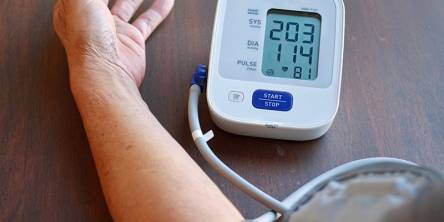
It can be difficult to know when you have high blood pressure because the symptoms and signs are not always obvious. If left unchecked, however, it can gradually damage your blood vessels, heart, kidneys, and other vital body organs. Blood pressure fluctuations can also be dangerous.
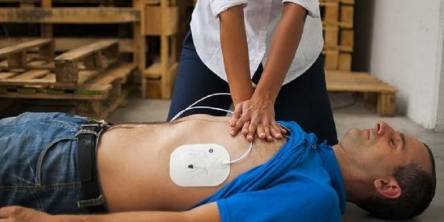
A reliable AED plays a vital role in increasing the survival rate of SCA. This post lists 8 reasons to tell why we need a reliable AED device and something you need to know about the AED.
Normal heart rate in people is 60-100 beats per minute. But if the heart rate is lower than 60 beats per minute, that may indicate bradycardia development. If the pulse is constantly 30-40 beats per minute and it doesn’t increase even during physical activity, it’s a quite dangerous condition.

In recent decades, Western medicine has shifted its main focus quite dramatically, from infectious diseases towards cancer and chronic conditions, such as heart, stomach and liver issues.

According to statistics, people suffering from diabetes are 1.5 times more likely to develop a stroke than those who don’t have this disease. So why does it happen? The connection between these two conditions lies in the way the body transforms glucose into energy.

Black, green, white or red teas come from the same plant Camellia Sinensis. The difference lies in the processing method: Green tea is made from the buds and top two leaves of a shrub, which are then quickly steamed to prevent fermentation