

Top Warning Signs Your Earthmoving Equipment Needs Repairs
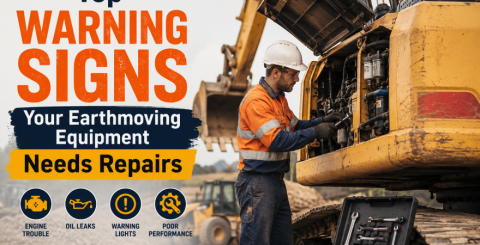
Ever noticed your excavator making a strange grinding noise that wasn't there last week? Or perhaps your loader seems to be losing power when tackling those heavy loads? What about those mysterious puddles appearing under your machinery overnight?
If any of these scenarios sound familiar, you're not alone. Earthmoving equipment is the backbone of countless Australian construction, mining, and agricultural projects. These powerful machines work tirelessly in some of the harshest conditions imaginable—dust, heat, and demanding workloads. Yet, like any hardworking asset, they need proper care to keep performing at their best. Ignoring the early warning signs can lead to expensive breakdowns, dangerous situations, and frustrating project delays.
In this guide, we'll walk you through the key indicators that your earthmoving equipment needs attention. You'll learn how to spot problems before they escalate, understand the basics of earthmoving maintenance, and discover practical steps to protect your investment. Whether you're managing a fleet of dozers or operating a single backhoe, this information could save you thousands of dollars and countless headaches. Let's get stuck into it.
Understanding the Basics of Earthmoving Maintenance
What Is Earthmoving Equipment Maintenance?
Earthmoving equipment maintenance covers all the activities needed to keep your machinery running safely and efficiently. This includes routine inspections, fluid changes, filter replacements, component repairs, and thorough cleaning. Think of it as giving your equipment a regular health check-up.
Proper earth moving equipment maintenance isn't just about fixing things when they break. It's about preventing problems before they happen. This proactive approach involves monitoring wear patterns, checking fluid levels, and addressing minor issues before they become major headaches. A well-maintained machine operates more efficiently, uses less fuel, and lasts significantly longer.
The goal is simple: keep your equipment in peak condition so it performs reliably when you need it most. Given the demanding Australian conditions extreme temperatures, dusty environments, and heavy workloads regular maintenance becomes even more critical.
How Often Should Heavy Earth Moving Equipment Be Serviced?
The maintenance of heavy earth moving equipment follows a tiered schedule. Daily pre-start checks should happen before every shift. Weekly inspections cover more detailed components. Monthly servicing addresses fluid changes and filter replacements, while annual overhauls examine major systems thoroughly.
Most manufacturers recommend servicing every 250-500 operating hours for standard maintenance tasks. However, this varies depending on your equipment type, working conditions, and manufacturer guidelines. Machines working in particularly dusty or wet conditions may need more frequent attention.
Keeping a detailed maintenance log helps you track service intervals and spot emerging patterns. Many operators now use digital tracking systems, though even a simple spreadsheet works well. The key is consistency—stick to your schedule regardless of how busy the worksite gets.
.jpg)
Top Warning Signs Your Earthmoving Equipment Needs Repairs
Unusual Noises and Vibrations
Your equipment talks to you through sound. A healthy machine has a consistent, predictable noise pattern that experienced operators recognise instantly. When something changes a new knocking, grinding, or squealing sound pay attention immediately.
Unusual vibrations often indicate worn bearings, loose components, or imbalanced rotating parts. These symptoms typically worsen over time if left unchecked. What starts as a minor rattle can quickly develop into a major mechanical failure requiring extensive repairs.
Train your operators to report any acoustic changes promptly. Their daily familiarity with the equipment makes them your best early warning system for earthmoving maintenance issues.
Hydraulic System Issues and Fluid Leaks
Hydraulic systems are the muscle behind your earthmoving equipment. When they develop problems, performance drops noticeably. Watch for slow arm movements, jerky operations, or equipment that struggles to lift normal loads.
Fluid leaks are particularly concerning. Puddles under your machinery indicate seals, hoses, or fittings that need immediate attention. Beyond the repair costs, hydraulic fluid is expensive and environmentally harmful. Plus, low fluid levels can cause catastrophic pump damage.
Check hydraulic lines regularly for cracks, bulges, or wear spots. These vulnerable points often fail during high-pressure operations, potentially causing injuries or equipment damage.
Decreased Performance and Power Loss
When your dozer can't push the same loads it handled last month, something's wrong. Power loss typically indicates engine problems, fuel system issues, or transmission troubles. Don't ignore gradual performance declines—they rarely improve on their own.
Common culprits include clogged air filters, contaminated fuel, worn injectors, or failing turbochargers. Sometimes the fix is straightforward; other times, deeper investigation reveals more significant problems requiring professional attention.
Monitor cycle times and productivity metrics. A machine taking longer to complete standard tasks signals declining health that warrants investigation.
Excessive Smoke or Unusual Exhaust Emission
Exhaust tells a story. White smoke often indicates coolant entering the combustion chamber—potentially a blown head gasket. Blue smoke suggests oil burning, which could mean worn piston rings or valve seals. Black smoke typically points to incomplete combustion from fuel system problems.
Any change in exhaust colour or volume deserves prompt attention. Beyond indicating mechanical issues, excessive emissions may breach Australian environmental regulations, potentially resulting in fines or work stoppages.
Modern diesel engines run remarkably clean when properly maintained. Visible smoke is always a warning sign worth investigating.
Overheating Problems
Earthmoving equipment works hard, generating substantial heat. Cooling systems must function properly to prevent damage. Rising temperature gauges, frequent coolant top-ups, or automatic shutdowns all indicate cooling problems.
Check radiators for debris blockages particularly important in dusty Australian conditions. Inspect coolant hoses for cracks or soft spots. Verify that cooling fans operate correctly and that belts maintain proper tension.
Overheating can cause catastrophic engine damage, warped components, and complete breakdowns. Address cooling issues immediately rather than risking expensive repairs or replacement costs.
Electrical Faults and Warning Lights
Modern earthmoving equipment relies heavily on electronics. Warning lights exist for good reason—they alert you to developing problems before they become serious. Never ignore dashboard warnings or dismiss them as sensor glitches.
Electrical faults can manifest as intermittent starting problems, flickering lights, erratic gauge readings, or unexplained shutdowns. Corroded connections, damaged wiring, and failing alternators are common culprits requiring professional diagnosis.
Keep electrical systems clean and protected from moisture. Regularly inspect battery terminals, wiring harnesses, and connection points for signs of wear or corrosion.
Track or Tyre Wear and Steering Difficulties
Undercarriage components on tracked machines wear steadily with use. Excessive track slack, worn sprockets, or damaged idlers compromise both performance and safety. Similarly, tyre wear on wheeled equipment affects traction, stability, and steering responsiveness.
Steering difficulties indicate potential problems with hydraulic steering systems, worn linkages, or alignment issues. These problems affect operator control and can create dangerous situations, particularly on uneven terrain.
Regular undercarriage inspections help you plan component replacements before failures occur. Catching wear early allows for scheduled downtime rather than emergency repairs.
Sluggish or Unresponsive Controls
Controls should respond immediately and predictably. Delayed responses, stiff levers, or inconsistent operation indicate problems requiring attention. These symptoms often relate to hydraulic issues, worn control linkages, or electronic faults.
Operators experiencing control problems face increased fatigue and reduced productivity. More importantly, unresponsive controls compromise safety the ability to react quickly is essential when working around people and structures.
Test all controls during daily pre-start checks. Report any changes in responsiveness immediately for investigation.
.jpg)
What Happens If You Ignore Earthmoving Equipment Maintenance?
Safety Risks on Australian Worksites
Equipment failures cause serious accidents. Brake failures, structural collapses, and hydraulic blowouts can injure or kill operators and nearby workers. Australian workplace safety regulations hold equipment owners responsible for maintaining machinery in safe condition.
WorkSafe investigations following accidents examine maintenance records closely. Poor maintenance practices can result in prosecution, substantial fines, and criminal liability for individuals responsible.
Protecting your workers isn't just legally required it's the right thing to do. No project deadline justifies risking someone's life through neglected maintenance.
Costly Downtime and Project Delays
Emergency breakdowns cause far more disruption than scheduled maintenance. When critical equipment fails mid-project, everything stops. You face urgent repair costs, potential penalty clauses, and frustrated clients.
Planned earthmoving equipment maintenance happens during scheduled downtime. Emergency repairs happen whenever the equipment decides to fail usually at the worst possible moment. The cost difference between prevention and emergency response is substantial.
Reduced Equipment Lifespan
Well-maintained earthmoving equipment can operate reliably for decades. Neglected machines deteriorate rapidly, often requiring replacement years before their expected service life ends.
Given the substantial investment these machines represent, protecting that investment through proper maintenance makes excellent financial sense. The cost of regular servicing is minimal compared to premature replacement.
Protect Your Investment with Proactive Care
Earthmoving equipment repairs represents a significant investment deserving proper protection. The warning signs we've discussed unusual noises, hydraulic issues, power loss, smoke, overheating, electrical faults, wear patterns, and control problems all indicate developing issues requiring attention.
Taking earth moving equipment maintenance seriously prevents expensive breakdowns, protects your workers, and extends equipment lifespan. Daily checks, scheduled servicing, and accurate record-keeping form the foundation of effective maintenance programmes. These simple practices pay dividends through improved reliability and reduced emergency repairs.
Your equipment works hard for you. Return the favour by giving it the care it deserves. When you spot warning signs, act promptly rather than hoping problems disappear. Your future self and your bank balance will thank you for the proactive approach.
Similar Articles

Learn how small businesses can build a scalable payroll system with clear workflows, accurate data, tax tracking, and the right tools for growth.

It is possible to start a computer service business with no money. You only need to be ready to work hard and have a lot of professional knowledge.

Electric cars have moved out of their niche. In the recent years, drivers purchased over 1.5 million EVs, accounting for nearly one out of every ten new light-duty vehicles sold nationwide.

Starting your own business is often seen as a step towards financial independence and self-realization. However, the reality is more complex.

Discover the top 10 digital strategies that help small businesses grow faster online, boost visibility, attract customers, and increase sales.

Cash flow is one of the most common challenges small businesses face, regardless of industry. Even businesses that are profitable on paper can experience financial strain when money coming in does not align with money going out.

The way of doing business in India is changing at lightning speed. Whether it is an established business owner, a startup, or a freelancer, everyone is reconsidering renting or buying physical office space.

Running a small business is a little like juggling flaming torches while riding a unicycle—on a tightrope—over a pit of alligators.

Explore how DTF printers help small businesses offer custom products with low costs, fast setup, and flexible printing for apparel, gifts, and more.