

Top 5 Cybersecurity Tips for Telemedicine Practitioners

Telemedicine is the remote diagnosis and treatment made by health professionals to the patients through web and mobile platforms. Telemedicine or say telehealth applications allow people to connect with the practitioners from anywhere without physical presence. They are especially useful in rural areas and situations like natural disasters where and when professionals cannot reach to the patients quickly to provide treatments.
However, due to the platform and technology that used, telemedicine apps are under the potential risks of cyber attacks. As digital content is exchanged between multiple devices through the internet, it is essential for every practitioner to work on the cybersecurity policies.
Which data is vulnerable from cyber attacks?
The medical organizations have the database of PHI (Protected Health Information) and other health insurance related data of the patients. This area is the most common target for the hackers, and they attack this database for unauthorized access, malicious hacking, entering bugs in the system, and more. Such cyber attacks create a significant data breach in the health care field, which may require millions of dollars to recover the data stolen and repairing the damage due to such attacks.
According to the study of the Impact of Cyber Insecurity on Healthcare Organizations in 2018, the healthcare enterprises experienced multiple data breaches in the recent past. As there is a consequence to every such incident that happens, it is essential for the practitioners to keep their patients’ data secure and to make their system protected against the cyberattacks.
Best Cybersecurity Tips that Every Telemedicine Practitioner and Healthcare Organization Should Follow:
Manage HIPAA with the Help of Experts
The Health Insurance Portability and Accountability Act sanctioned for protecting the information of patients. The organizations have to follow the rules specified by HIPAA to keep PHI safe & secure. These rules apply to telemedicine communications as well as patient data transmission and storage. If you are a telemedicine practitioner, taking help of a HIPAA security expert is advisable to make a self-assessment and take security measures for keeping the data safe.
Don’t Leave Gaps in Cyber Security
After the security assessments have been made, identify, and fill the gaps in your cybersecurity measures. That includes your website, email portals, cloud storage platforms, storage devices, and all the other hardware & software in your medical system. Moreover, with the help of an expert, you can create a lockdown plan in case of cyber attacks on the network.
Train Your Staff and Patients Properly
It is essential to educate the personnel on the security importance of the medical system. Train your staff properly so that they can learn how to align with the security measures. Patients are also a vital part of telemedicine security. So, train them on how to use the app with maximum efficiency and minimum risk. You can also organize the educational programs and seminars for the associated people.
Remove Unwanted Integrations
You may have installed some browser plugins, software solutions, and extra user accounts that you are not using any more in the telemedicine system. It would help if you got rid of such excess and unwanted integrations to protect the medical data.
Restrict Access to Medical Systems
Give access to the only people to whom the use of the platform is necessary. You can provide role-based access to particular sections of the medical system, which will eventually streamline the whole process. You can leverage the latest technologies like AI and ML for the healthcare modernization. Such technology advancements will help you to detect strange or suspicious activities and take appropriate actions quickly.
The expert telemedicine solution providers may be able to secure the healthcare sector from the cyberattacks. However, the telemedicine practitioners and healthcare organizations also should have to make a robust authentication process and train the relative users to aid in cybersecurity of the system. Following comprehensive standards and regulations will improve the accessibility, quality, and effectiveness of the telemedicine applications.
Similar Articles

Running a restaurant involves much more than taking orders and serving food.

Field sales teams handle numerous responsibilities every day. Sales representatives travel between customer locations, conduct meetings, collect orders, record information, and report their activities to managers.
The app development market has evolved significantly over the past decade or so. Its impact on business has been equally consequential.

Offshore IT hiring means recruiting IT professionals who work from another country or region. Companies commonly use this approach for software development, QA, IT support, DevOps, cybersecurity, data, and project management.

By 2026, moving to the cloud is no longer merely a competitive advantage. It is a business necessity. Every organization across the broad spectrum of industries will be challenged to become more agile.
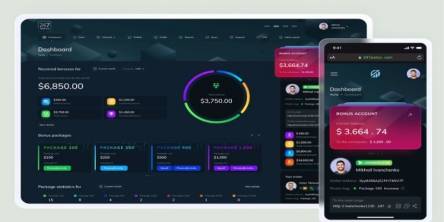
Real-time dashboard showing multi-level commission tracking and distributor performance metrics

Digital transformation initiatives are no longer unheard of in the corporate world. As a matter of fact, it is also well known that companies expanding their digital footprint tend to run into crippling legacy apps.

The financial aid office has become one of the most operationally strained departments on the modern U.S. campus. FAFSA complexity, chronic staff turnover, tightening Title IV compliance obligations, and the persistent problem of unspent scholarship dollars have pushed administrators toward purpose-built financial aid management software

The demand for software delivery has never been higher. Applications must be delivered faster and on a scale like never before.