

Top 4 Stats to Make You Invest In EHS Software
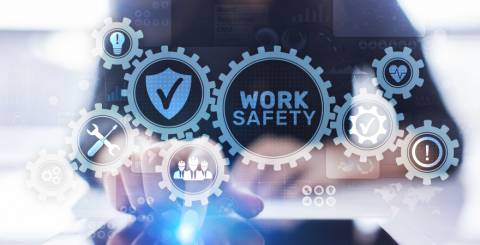
Are safety and compliance crucial for your business operation? If yes, then have you considered deploying EHS software in your organization? If not, then these eye-opening facts will make you invest in EHS (Environmental, Health, and Safety) software.
- Spreadsheets fail Accuracy:
According to the source University of Hawaii, nearly 90% of spreadsheets contain significant errors. That means if you’re relying on a spreadsheet to manage your EHS data, it may result in inaccurate data, which can cause a huge problem. When you enter data in a spreadsheet, even a minor discrepancy can result in significant consequences. An oversight or formula error can drastically impact the result of the calculation. Incorrect data could make you overlook a severe risk that leads to an accident. Such errors can cost thousands of dollars in regulatory fines and penalties.
Having an EHS software enables you to provide accurate information in a secure place, which lowers the potential of making mistakes. It also helps to reduce injuries and ill-health in working conditions. EHS software enables managers to find more leading safety indicators to improve workplace conditions, reduce LTI. Hence, EHS software saves organization time and money.
- Many Businesses are wasting an average of 120 working hours a year on administrative tasks (Source: NewSage):
Employees are often found spending hours upon hours on tedious admin tasks. Spending time on extraneous activities affects productivity. EHS software helps to eliminate and streamline various time-consuming manual tasks, including preparing audits, keying in data, and creating reports. Reducing administrative tasks lowers admin costs, and it helps to boost employee morale and confidence.
46% of EHS Buyers reported that “outdated software” is one of the main reasons to seek a new EHS system.
Over the last several decades, corporate safety planning has come a long way. So, EHS software has become quite popular in the last few years. But still, many companies rely on their outdated systems. Often legacy systems can be clunky, slow, and also pose a considerable security risk. So, people spend their productive time in data wrangling and filling out support requests instead of focusing on valuable tasks.
Another rising challenge that’s driving nearly 40% of EHS and sustainability leaders to look for new software is poor integration of outdated software with other IT systems. EHS software can be seamlessly integrated with third-party applications. It’s certainly high time to replace your system.
- For every dollar invested in the safety programs, it returns $4 to $6 in reduced costs (Source: OSHA)
It may sound strange to look at safety as an investment, but it is believed to be the smartest move to run a profitable business. Surprisingly, investing in automated tools, processes, and systems that improve safety is like spending to secure the future of the company. Even a modest step towards the improvement of security can make a big difference in employee productivity and reduction in workplace injuries.
- Global spending on EHS is expected to increase by 5% this year (Source: Verdantix):
Managers responsible for reducing risks in the environment, health, and safety operations expect an average budget increase of 5% in 2020 compared to 2019. Nowadays, EHS software has witnessed staggering growth in recent years and is widely accepted by companies to manage EHS data and activities effectively and efficiently. Implementing EHS software enables an organization to reduce risk, save time, and prevent mishaps.
Hence, worker’s health and safety should be the topmost priority for every workplace. The statistics mentioned above show that how investing in EHS software proves beneficial to help you achieve organizational sustainability. Implementation of EHS software enhances employee productivity, improve performance, and reduce mundane administrative tasks.
If you’re seeking OHS software solution for your workplace, you should opt to develop a scalable EHS system that provides you the right insights on hazards at your workplace.
Similar Articles

Offshore IT hiring means recruiting IT professionals who work from another country or region. Companies commonly use this approach for software development, QA, IT support, DevOps, cybersecurity, data, and project management.

By 2026, moving to the cloud is no longer merely a competitive advantage. It is a business necessity. Every organization across the broad spectrum of industries will be challenged to become more agile.
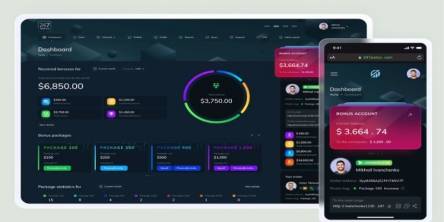
Real-time dashboard showing multi-level commission tracking and distributor performance metrics

Digital transformation initiatives are no longer unheard of in the corporate world. As a matter of fact, it is also well known that companies expanding their digital footprint tend to run into crippling legacy apps.

The financial aid office has become one of the most operationally strained departments on the modern U.S. campus. FAFSA complexity, chronic staff turnover, tightening Title IV compliance obligations, and the persistent problem of unspent scholarship dollars have pushed administrators toward purpose-built financial aid management software
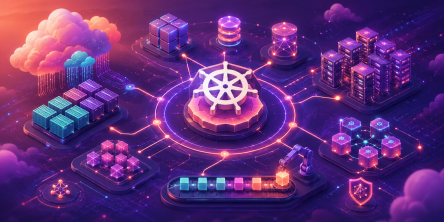
The demand for software delivery has never been higher. Applications must be delivered faster and on a scale like never before.
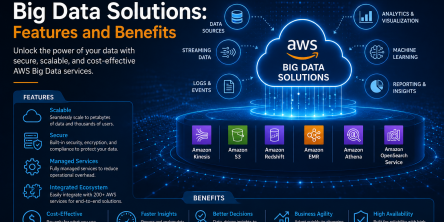
Modern businesses produce large amounts of data daily. Be it from customer transactions, Internet of Things (IoT) sensors, or countless other such sources.
Businesses today need to ship new software faster than ever. That's not news, of course. Anyway, because of the demands on businesses, new solutions are being built on top of micro-services, serverless functions, etc.

Cybersecurity has become an essential concern for groups, companies, and as well as people. As cyber threats enhance, security systems also become more sophisticated.