

Three Tips for an Eco-Friendly Move
The home you’re in isn’t always where your heart is; in fact, if you’re moving voluntarily, that’s a virtual certainty. As such, it can be tempting to simply throw away everything you won’t need and make a clean break towards your new future. Of course, that’s not advisable since the “out of sight, out of mind” principle doesn’t apply to waste collectors and recycling centers tasked with sorting the items you indiscriminately toss.
As household appliances and technologies have grown more sophisticated, their construction processes have become increasingly complex, meaning a larger variety of manufacturing materials with a wider variance of biodegradability and eco-friendliness. In other words, you can’t just pile everything you don’t want into a green recycling bin and be done with it. Make no mistake; we live in a more environmentally-focused world because the consequences of abandoning that focus are too great. As a result, things like e-waste disposal and energy efficiency have further defined just how attentive the average person must be to reduce their environmental impact.
Simultaneously, moving is messy business and retaining every knick-knack you unintentionally stored in your home and ultimately forgot about is an inefficient use of time at best and a complete headache at worst. So, to help you plan the eco-friendliest move possible, we’ve teamed with expert interstate movers to create a list of key recycling tasks that should definitely be listed on your moving checklist:
Dispose of Your Tech Responsibly
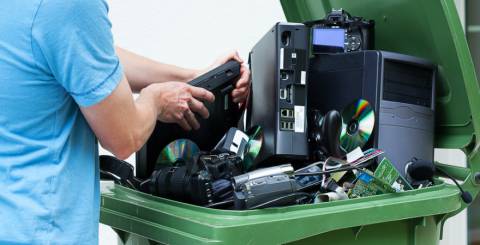
Let’s be honest: this is a big ask considering some of us don’t exhibit responsibility when handling the tech we currently use. This may seem harsh, but at the same time, I guarantee someone is reading this right now through a cracked iPhone screen. Old computers, TVs, printers, phones, stereos, and many other home electronics contain lead, mercury, and flame-retardant chemical deposits that, if left unaddressed, are extremely harmful to the surrounding environment and those that come in contact with them.
First, organize your old electronics by whether they’re still in good, working condition, or whether they contain parts that are valued more than the products they originate from. Sell, donate, and salvage as much as possible to whittle your old electronic cache down as much as possible. Then, send the rest to a local e-waste recycling facility.
Remember the Core Principle: REUSE
The whole purpose of recycling is to get the most use out of the largest number of things possible so we don’t all end up living in garbage houses. But you don’t need to take something to a recycling plant to officially turn back the clock on it. Get into the habit of repurposing items during your day-to-day, especially when preparing for a move. For example, reuse old boxes from past moves, if they are structurally secure enough to do so, and use unseasonal clothing to wrap and protect fragile items.
Hire a Green Mover
Remember the bit about living in a more environmentally-focused world? Even the largest conglomerates have taken note of the widespread consumer shift towards greener living solutions. In order to meet this mounting customer demand, many of those same companies have drastically altered not only their products, but the means of their production, so they can market how dramatically they’ve shrunk their carbon footprint. And, also, they care about the planet. Point is, many moving services have taken up the same initiatives because a substantial part of their core business revolves around operating large, fuel-hungry trucks and freight vehicles across long distances. During the initial consultation with your move coordinator, ask for specific information about the company’s fuel and energy efficiency standards, and make this a serious consideration when choosing your ideal mover.
Preparing for a move can be nerve-wracking, but all positive growth experiences are. It can be a lot to organize not only the transport of your most valued possessions, but also the proper disposal and recycling of items you no longer need; and if you rush the last part, it could be detrimental to the planet in the long run. But with a little due diligence, you’ll be able to enjoy the doubly-rewarding feeling of a new home and the knowledge that you’re a champion and advocate for the world you live in and share.
Similar Articles

Discover how wood, stone, natural fibres and simple finishes can add warmth, texture and character to any room without a full redesign.

Learn how to decide between roof repair and replacement by understanding leaks, shingle wear, attic clues, and other signs of roof damage.

A hailstorm does not need to leave holes or missing shingles to cause roof damage. Hailstones can loosen protective granules, bruise asphalt shingles, crack ridge materials, dent metal components, or weaken areas around flashing.

Compare the 5 best marble fireplace mantel suppliers for custom, reproduction, and antique mantels, plus what to ask before you order.

Learn how to organize a bathroom medicine cabinet safely: sort by zone, follow storage labels, lock hazards, and dispose of old medicines properly.

Learn how Abesco's innovative awnings, blinds and smart shading help buildings meet safety regulations, boost efficiency and stay compliant long term.
Most people hire a skip bin for the first time in the middle of a project that has generated more

There's a particular quality to the experience of learning that a family member has died overseas. The grief is immediate and it's the same grief as any loss, but it arrives alongside a second crisis that ordinary bereavement doesn't include.

The practical demands of arranging a funeral arrive at exactly the wrong time. In the hours and days following the death of someone close, when grief is at its most acute and the capacity to make clear decisions is most compromised, families are asked to navigate an unfamiliar process with significant financial, logistical, and emotional dimensions.