

How A Strategic Cloud Reset Can Optimise Enterprise IT Infrastructure
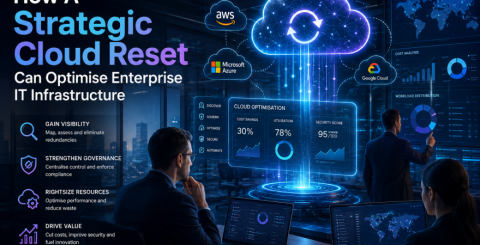
Over the past few years, businesses worldwide accelerated their digital transformation initiatives at an unprecedented pace. The initial goal was simple enough: keep operations running, enable remote workforces, and digitise traditional processes as quickly as possible. However, the rapid shift to cloud computing has left many IT leaders managing complex, fragmented networks. What began as a strategic advantage has evolved into an unwieldy web of overlapping services, redundant platforms, and unpredictable monthly bills. Multi-cloud environments are now the norm rather than the exception, meaning critical data is scattered across numerous vendors. To regain control, organisations are realising that continuous expansion is not the answer. Instead, taking a step back to audit and streamline existing systems is the most effective way to build a resilient, future-proof enterprise infrastructure.
The Hidden Costs of Cloud Sprawl
When departments independently purchase software solutions or spin up new servers without unified IT oversight, the result is known as cloud sprawl. This phenomenon is often driven by shadow IT, where teams bypass official procurement channels to quickly access the tools they feel they need. Over time, this leads to a massive duplication of effort and a severe lack of security visibility. Companies often find themselves paying for idle computing resources or premium licences that employees no longer use. Following the initial rush to digitise, many IT leaders must now hit pause and implement cost optimisation best practices to ensure their sprawling infrastructure is not silently draining the budget. Correcting these architectural missteps is essential before deploying any advanced artificial intelligence applications, as these new technologies require a stable and cost-effective foundation to operate efficiently.
Hitting Pause to Regain Visibility
Treating digital infrastructure as a set-and-forget operation is a common and costly mistake in the modern business landscape. As business requirements change, so too must the underlying technology that supports them. This brings up the necessity of evaluating your current ecosystem and actively deciding what stays, what goes, and what needs immediate rightsizing. Managing hybrid models that blend on-premise hardware with public storage solutions only adds layers of administrative friction if not handled carefully.
Executing a comprehensive cloud reset relies heavily on deploying the right management platforms to regain visibility and governance over your enterprise IT environments. By mapping out exactly where workloads reside and how they interact, technology officers can eliminate redundant services and consolidate their digital footprint. A deliberate restructure allows IT teams to shift away from reactionary troubleshooting and move toward proactive system management, ensuring that every piece of software serves a distinct business purpose.
Core Steps for Rebuilding Digital Governance
Optimising enterprise technology portfolios requires a highly methodical approach. Merely cancelling a few underutilised software subscriptions is not enough to secure long-term efficiency. Organisations need a structured framework to assess their digital assets comprehensively and ensure ongoing compliance with industry standards.
To get operations back on track, IT departments should focus on the following core actions:
- Conducting a comprehensive audit: Map every single application, workload, and data storage location across the entire network to identify silos and redundancies.
- Establishing centralised oversight: Implement tools that provide a single-pane-of-glass view, ensuring all departments adhere to strict provisioning policies.
- Rightsizing resources: Scale down over-provisioned servers to match actual performance needs without compromising user experience or system stability.
- Automating compliance: Use governance frameworks to automatically flag security risks or unauthorised software installations.
Without a unified governance strategy, IT costs quickly spiral out of control. In fact, according to recent Forrester research, cloud waste can typically account for 30% of the total bill if tech leaders leave their platforms unaddressed. Identifying and cutting this excess spending provides immediate capital that can be reinvested into genuine innovation rather than routine maintenance.
Long-Term Benefits of Optimised IT Infrastructure
The immediate advantage of auditing and streamlining digital assets is financial savings, but the long-term benefits extend far beyond the corporate balance sheet. A well-governed digital ecosystem is inherently more secure. When IT teams know exactly what assets they are protecting, they can patch software vulnerabilities faster and enforce strict access controls across all environments.
Furthermore, streamlined architecture enhances overall operational agility. When new market opportunities arise, an optimised IT setup can scale rapidly without the friction of legacy technical debt holding it back. Performance metrics become highly predictable, system downtime decreases, and the user experience for both employees and customers improves significantly. Additionally, rightsizing servers and eliminating redundant processes can drastically lower an organisation's carbon footprint, supporting broader corporate sustainability goals.
A Strong Foundation for Future Innovation
Modern enterprises can no longer afford to let their digital ecosystems grow unchecked. The initial era of rushed adoption is over, replaced by a growing demand for efficiency, security, and financial accountability across all departments. By intentionally pausing to audit and restructure their underlying technology, business leaders can transform a chaotic digital sprawl into a highly tuned engine. This strategic consolidation not only stops budget leakage but also lays down the resilient technological foundation required to drive sustainable, long-term growth in a competitive digital economy.
Similar Articles

In today's highly competitive corporate environment, clinging to outdated technology is a costly mistake. Enterprises globally are realising that their legacy systems, once the backbone of their operations, are now creating severe bottlenecks.

Learn how knowledge management clears duplicate files and conflicting policies, creates one source of truth and keeps your AI and teams accurate.

Giga vs eight for calls: compare talktime, SMS, and IDD allowances, plus what happens when minutes run out, so you pick the right SIM-only plan.

Stay powered and connected with Belkin's portable power banks, chargers, durable cables and routers built for modern devices and everyday reliability.

Learn how Belkin's innovative connectivity solutions, from durable USB-C cables to fast charging, are reshaping everyday tech accessories.

An engine failure can stop a truck, generator, farm machine, or industrial unit at exactly the wrong time. Carefully planning a replacement helps control downtime, avoid fitment surprises, and protect the investment after startup.

Managing multiple documents can quickly become frustrating. Imagine sending several files in an email, uploading different attachments to a submission portal, or sharing a business report with clients across multiple documents.

Energy efficiency is revolutionizing power distribution, leading to more sustainable and cost-effective energy systems.

Moving has a way of making even organized people feel scattered. One minute you’re labeling boxes. The next, you’re hunting for a receipt, calling the utility company, and wondering where the tape disappeared to.