

Pressure Washer Safety Guide for Gas or Electric Models
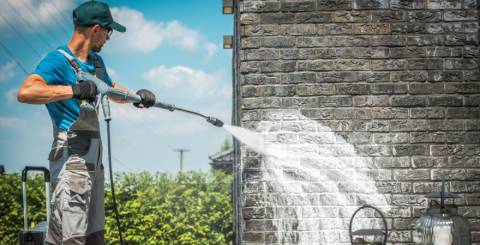
A pressure washer is an incredible tool for spraying away grime, dirt, pollen, and stains from your exterior surfaces. However, they also pose a danger if you don't understand the safe operation.
That's why it's essential to understand the basics of safe pressure washer operation before using one. Following the tips we share in this guide will help ensure that you, your property, and those around you stay safe while using this powerful tool.
Appropriate Uses for Pressure Washing and Some Surfaces to Clean
Pressure washing is a handy tool for cleaning many different surfaces. However, it's essential to understand which surfaces are safe to clean and which can be damaged by pressure washing. Here are some appropriate uses for pressure washing and some surfaces to clean:
- Cleaning decks: Pressure washing is an excellent way to clean wood, composite materials, or concrete decks.
- Washing cars: Pressure washing is a great way to wash cars and trucks quickly and efficiently. However, using the lowest pressure setting and keeping the nozzle safe from the vehicle is essential to prevent damage.
- Cleaning driveways and sidewalks: Pressure washing is an effective way to clean concrete driveways and sidewalks, removing dirt, grime, and stains.
- Washing siding: Pressure washing can be an effective way to clean siding made of vinyl, brick, stucco, and other materials. However, it's essential to use the appropriate pressure setting for each type of material to prevent damage.
- Cleaning outdoor furniture: Pressure washing is an excellent way to clean outdoor furniture made of plastic, metal, or wood.
It's important to avoid washing delicate surfaces such as painted surfaces, softwood, or delicate materials like fabric. Always check the manufacturer's recommendations before using a pressure washer on any surface.
Pros and Cons of Electric Versus Gas Pressure Washers
Homeowners have two primary options--gas or electric-powered units. It's essential to know the pros and cons of each.
Pros and Cons of Electric Pressure Washers:
Pros:
- Quieter operation compared to gas-powered pressure washers
- Lower maintenance required
- Environmentally friendly as they produce no emissions
- Suitable for light to medium-duty cleaning tasks
- Lower upfront cost compared to gas-powered pressure washers
Cons:
- Less power than gas-powered pressure washers
- Limited mobility due to being tethered to an electrical outlet
- Limited range due to power cord length
- Not suitable for heavy-duty cleaning tasks
Pros and Cons of Gas-Powered Pressure Washers:
Pros:
- More powerful than electric pressure washers
- Suitable for heavy-duty cleaning tasks
- More mobility and range since they don't require an electrical outlet
- Can clean larger areas more quickly
Cons:
- Louder operation compared to electric pressure washers
- Higher maintenance required
- Produce emissions, making them less environmentally friendly
- Higher upfront cost compared to electric pressure washers
- It can be more dangerous to operate if not used properly
Safe Operation of an Electric Pressure Washer
Electric pressure washers are an excellent option for homeowners who need to clean their property. Here are some tips for safe operation:
- Read the manual: Before using your electric pressure washer for the first time, read the manual thoroughly. The manual will provide you with important safety information and operating instructions.
- Wear protective gear: Always wear protective gear, including safety goggles, gloves, and closed-toe shoes. It will help protect you from any debris or water that might fly up during use.
- Keep the power cord away from water: Position it so it won't come into contact with water during use. It will help prevent electrical shock.
- Use a ground fault circuit interrupter (GFCI): An electric pressure washer should always plug into a GFCI outlet. A GFCI will shut off power to the outlet if there is an electrical problem, helping to prevent electrical shock.
- Never point the pressure washer at people or animals: The powerful stream of water from a pressure washer can cause serious injury if it comes into contact with a person or animal. Always make sure to point the nozzle away from people and animals.
Safe Operation of a Gasoline Pressure Washer
Gasoline pressure washers have more power than electric pressure washers but also require more care to use safely. Here are some tips for safe operation:
- Read the manual: As with electric pressure washers, it's essential to read the manual for your gasoline pressure washer before using it. The manual will provide you with important safety information and operating instructions.
- Use the right fuel: Always use the fuel recommended in the manual for your gasoline pressure washer. Using the wrong fuel can damage the engine or cause a fire.
- Keep the pressure washer on a level surface: A gasoline pressure washer should always be used on a level surface. It will help prevent the machine from tipping over and causing injury.
- Check the oil and fuel levels: Before starting your gasoline pressure washer, check the oil and fuel levels. Running the machine without enough oil or fuel can cause damage to the engine.
- Never point the pressure washer at people or animals: Just like with electric pressure washers, the powerful stream of water from a gasoline pressure washer can cause serious injury if it comes into contact with a person or animal. Always make sure to point the nozzle away from people and animals.
The Takeaway: Pressure Washing Is Useful for Exterior Cleaning But Demands Careful Usage
We hope this pressure washer safety guide helps you use this powerful tool safely. Remember to read the manual, wear protective gear, and use the appropriate pressure setting for each surface you clean. Following these tips can help ensure that you, your property, and those around you stay safe using a pressure washer.
In summary, pressure washing is a valuable tool for cleaning various surfaces but can also be dangerous if misused. Use the appropriate safety gear, follow the manufacturer's recommendations, and use the appropriate pressure setting for each surface to ensure safe and effective use. Doing so lets you get the most out of your pressure washer while staying safe.
Similar Articles
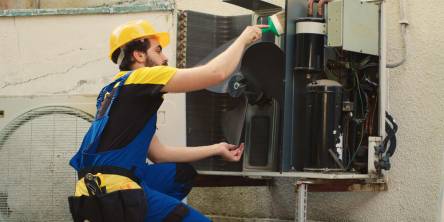
Heating and cooling equipment affect more than the temperature on the thermostat. It influences comfort between rooms, humidity, airflow, and the condition of the air as it moves through the home.

The key to a minimalist living room is restraint, but that's not enough to make a room feel finis

Rectification of exterior cladding may be required during the lifetime of a building for several reasons: to replace non-compliant cladding/combustible panels, to repair damage, to improve energy efficiency, or to modernise an older building.

A tunnel greenhouse is designed to provide years of growing space, but not every part of the structure has the same lifespan.

Australian hardwood presents a very different challenge from the lighter timber commonly used in many parts of the northern hemisphere.
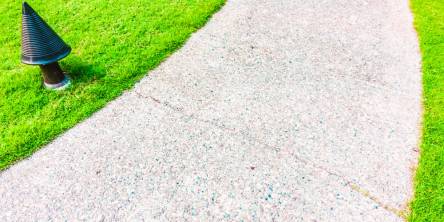
Why Do Concrete Driveways Turn Orange After Summer Rain? Learn the causes—rust, minerals, irrigation—and how to clean and prevent stains.
DIY mistakes can quickly turn a money-saving project into an expensive repair. Learn how better planning, the right tools and knowing when to call a professional can help you avoid costly setbacks.

Modern bathrooms have evolved from purely functional spaces into relaxing retreats that balance comfort, aesthetics, and practicality.

Bathrooms have evolved far beyond their purely functional role. Today, they're carefully designed spaces that reflect personal style while balancing practicality, durability, and long-term value.