

EBOO IV Therapy Explained: How the Circuit Works, What to Ask, and Practical Trade-Offs
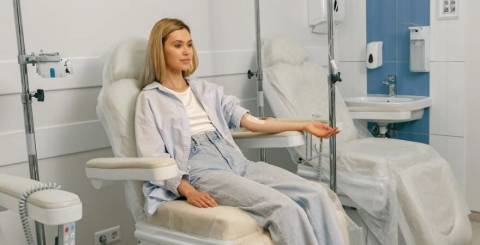
Extracorporeal blood oxygenation and ozonation, often shortened to EBOO or EBO2, routes a small stream of blood through an external circuit where it contacts a controlled oxygen-ozone mixture and a dialysis-style filter before returning to the body. Because it uses a pump, membrane, and anticoagulation, it is more like a mini apheresis session than a standard IV drip. Patients curious about EBOO usually want to know how the circuit functions, how safety is managed, and how to plan recovery afterward. This article outlines the key components, common screening questions, session logistics, and practical trade-offs so readers can hold informed conversations with any clinic offering this emerging therapy.
1. How EBOO differs from other ozone IV methods
Unlike "batch" ozone methods such as major autohemotherapy, where a set volume of blood is ozonated in a bag and then reinfused, EBOO uses continuous flow through a dialyzer-type membrane. The greater surface area and steady contact time can change how strongly the oxidative signal is delivered, which is why protocols often start conservatively and adjust as tolerated. For readers seeking a primer that expands on definitions and typical uses, you can learn more about EBOO treatment before diving into details here.
Because EBOO is extracorporeal, it introduces considerations that simpler IV options do not. Anticoagulation is used to keep the circuit from clotting. A peristaltic or roller pump sets the flow rate, which affects shear on red blood cells. A gas exchanger and bubble trap are present to manage gas contact while preventing air from entering the return line. Each element has a safety role that shapes the overall experience.
2. Inside the circuit: components, flow, and safety checks
Most EBOO setups include venous access (typically two peripheral cannulas), a blood pump, a heparin or citrate line for anticoagulation, an ozone oxygen interface, a dialyzer membrane or filter, a bubble detector or trap, and a monitored return line. Proper priming of the tubing with saline reduces the risk of air entering the system. Staff watch the color of the blood in the line, pressure readings, and drip chambers to quickly spot clot formation or air. If the anticoagulant dose is too low, clotting can halt the session; if too high, bruising or prolonged bleeding at the puncture sites can occur.
Flow rate is a balancing act. Faster flow shortens contact time with the membrane and gas interface but may increase shear stress; slower flow can increase exposure but raises the chance of line clotting if anticoagulation is inadequate. Ozone concentration is another variable: higher concentration increases oxidative signaling yet may be more irritating to veins or produce stronger transient reactions. These variables are often adjusted based on individual tolerance, recent lab data, and how a prior session went.
3. Screening and contraindications to discuss
Before scheduling EBOO, expect a discussion about conditions that may increase risk. Many clinics screen for glucose-6-phosphate dehydrogenase (G6PD) deficiency because strong oxidative therapies can increase the chance of red blood cell breakdown in those individuals. A history of difficult venous access, active bleeding, recent major surgery, or medications that already thin the blood may also change how anticoagulation is handled. Pregnancy and certain acute illnesses are commonly treated as reasons to defer.
Supplements matter, too. High-dose antioxidants immediately before a session may blunt the intended redox signal, while taking none at all can increase the chance of a stronger short-term response. If you tend to bruise easily, regularly use NSAIDs, or have low iron stores, share those details in advance. A realistic scenario: someone arrives dehydrated after an intense workout and needs multiple attempts to place a line; simply drinking water and having a small snack beforehand would have reduced that friction.
4. What a session feels like and aftercare that matters
An EBOO appointment is typically longer than a standard IV drip because placing two lines, priming the circuit, and stabilizing flow take time. You may feel a cool sensation along the arm, a mild metallic taste, or pressure at the puncture sites. Some people report feeling clear-headed and energized the same day; others feel a transient "flu-like" fatigue as the body processes the oxidative signal. Bringing a layer for warmth, avoiding tight sleeves, and planning light activity afterward are simple comforts that make the day smoother.
Aftercare focuses on hydration, gentle movement, and monitoring the access sites. Many clinics time antioxidant support such as vitamin C or glutathione later in the day or the following day to avoid immediately negating the oxidative stimulus. That timing involves a trade-off: delaying antioxidants may preserve the intended signaling effect, while giving them sooner can reduce headaches or body aches in susceptible people. If you notice persistent vein tenderness, unusual shortness of breath, or dark urine, contact the clinic promptly rather than waiting for a routine follow-up.
Trade-Offs and Protocol Choices: Dose, Timing, and Combinations
Protocol design is a series of small choices with clear consequences. A higher ozone concentration or longer exposure can amplify signaling but increases the likelihood of transient symptoms. More frequent sessions compress the timeline for change but leave less recovery time between visits. Adding supportive therapies like standard IV hydration, minerals, or B vitamins can ease tolerance, but stacking too much on the same day can make it hard to tell what triggered a reaction.
Two realistic examples highlight these trade-offs. First, a person on a tight work schedule asks for an aggressive first session and then struggles with fatigue the next day during a presentation. A gentler initial dose with a Friday appointment would have reduced disruption. Second, someone with a history of "veins that roll" benefits from ultrasound-guided placement and an extra 500 milliliters of oral fluids before arrival, which decreases line alarms and shortens setup time. Small planning choices often determine how smooth the experience feels.
EBOO is a procedure that blends ozone science with extracorporeal technology, so the most useful conversations with a provider center on the circuit, screening, and recovery plan rather than promises. Ask how anticoagulation is dosed and reversed, what concentration range is used and why, how air is excluded from the return line, what adverse events staff are trained to handle, and how antioxidants are timed relative to the session. Understanding those moving parts helps you decide whether this therapy fits your goals, your schedule, and your tolerance for short-term trade-offs.
Similar Articles

Explore leadership development strategies for healthcare administrators to manage staff conflict, improve communication, and build stronger, more effective teams.

Most of us have said it at some point. A friend asks how you're doing after a hard week, and the honest answer is a shrug: "I don't know." For some people, that phrase isn't a momentary blank. It's the defaul

Discover a physio's step-by-step plan for returning to running after an ankle sprain, rebuilding strength, restoring mobility, and preventing reinjury.

Malar bags are a common aesthetic concern that can affect facial appearance and become more prominent with advancing age. Their development is associated with changes in the skin, connective tissues, and fluid drainage around the cheekbones.

Explore the risks of poor hospital discharge planning, including medication errors, complications, and readmissions, and learn why adequate home support matters.
Learn what to do between shockwave therapy sessions, including managing soreness, adjusting activity levels, and tracking progress for better recovery.

A beautiful building tells you nothing about recovery outcomes. When you tour a Private Luxury Rehab in Los Angeles, comfort is often presented before clinical care, and families may pay a deposit before asking a single hard question.

Most advice about emotions assumes the hard part is identifying them.

Healthcare is built around people, but providing good care also depends on how well an organization manages the many tasks happening around each patient.