

A 60 Minute Used Car Evaluation You Can Do Before You Buy

Sticker price and mileage do not tell the whole story of a used car. A focused, hour-long evaluation can reveal how the vehicle has been driven, maintained, and repaired, and whether hidden issues may be waiting. This step-by-step approach is designed for everyday buyers, not technicians. It combines paperwork checks, a cold start, a structured test drive, and inspections after the drive. It is not a substitute for a professional inspection before purchase, but it helps you decide which cars deserve that investment and gives you concrete observations you can use to negotiate or walk away confidently.
1. Before the Engine Starts: Documents and Quick Checks
Begin with the VIN. Confirm the VIN on the windshield plate matches the door jamb label and the paperwork. A name mismatch on the title, a rebuilt or salvage designation, or an active lien can complicate registration. Review service records for timing belt or spark plug intervals, transmission fluid changes, and brake work. A vehicle history report is useful, but it cannot replace maintenance proofs. Whether you meet a private seller or step into a used car dealership, note the trim level and options on the window label so you compare like for like across other candidates.
Check basics you can see without tools. Tires should match by brand and size and show even wear. Wear on the inside edge hints at alignment or suspension issues. Look at the tire DOT date code to gauge age, then confirm a spare, jack, and both keys are present. Peek under the vehicle for wet spots. If the transmission has a dipstick, the fluid should have the color specified for that transmission and not smell burnt. Remove the oil cap and inspect for excessive sludge. A quick sweep of all exterior lights, power windows, and infotainment functions can reveal electrical problems before you ever turn the key.
2. First Five Minutes: Cold Start Clues and Stationary Inspection
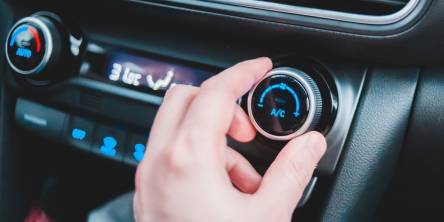
Ask for a true cold start. Engines hide a lot when they are already warm. When you turn the ignition on, the Check Engine, ABS, and airbag lights should illuminate briefly and then go out after the engine starts. A rattle at startup can suggest timing chain tensioner wear. Persistent white exhaust with a sweet odor can point to coolant burning, blue smoke to oil burning, and black smoke to a rich fuel mixture. Let the engine idle and watch for hunting or shaking that indicates a misfire. Turn on the air conditioning to ensure it cools properly and the idle remains stable.
A basic OBD II scanner or Bluetooth adapter can read pending codes and check emissions readiness monitors. If many monitors show "not ready" after a long drive or recent battery disconnect, someone may have cleared codes. Inspect the coolant reservoir for oily residue when the engine is cool, and look for persistent bubbling while idling, which can flag head gasket trouble. Never remove the radiator cap while the engine is hot. With the car parked, turn the steering wheel fully in both directions. Groaning can mean a low power steering fluid level or pump wear in vehicles with hydraulic steering. Lightly press the brake; a sinking pedal can suggest hydraulic issues that require professional attention.
3. On the Road: A Structured Test Drive Route
Plan a route that includes streets with frequent stops and starts, a rough surface, a long straight highway stretch, a safe place for repeated medium stops, and a hill if possible. At low speeds, listen over bumps for clunks from control arm bushings or sway bar links. At 45 to 65 mph, a steering wheel shimmy points to tire balance, bent wheels, or worn tie rods. A grinding hum that rises with speed often signals a wheel bearing. Brake firmly from 45 mph when traffic and road conditions allow. A pulsing pedal can indicate uneven rotor thickness or pad deposits. The car should track straight without requiring constant steering correction on a flat road.
Evaluate the drivetrain. In an automatic, shifts should be crisp and consistent. A delayed shift from second to third gear or flaring RPM suggests transmission slip. In a CVT, acceleration should be smooth without surging. In a manual, test for clutch slip by accelerating in a high gear at low RPM; if revs climb without matching speed, the clutch may be worn. For a turbocharged engine, accelerate moderately and listen for whistle changes or hesitation that can indicate boost leaks. Try a tight U-turn to listen for clicking CV joints. Engage AWD modes only as described in the manual and never on dry pavement if the system is part-time 4WD.
4. After the Drive: Exterior, Underbody, and Electronic Scans
Now walk around the car in consistent daylight. Panel gaps should be uniform from left to right, and paint should match across panels. Look for tape lines under door seals and overspray in wheel wells that signal repainting. Open the trunk and lift the cargo floor to check the spare tire well for moisture or silt. Inside the cabin, inspect seat rail metal for rust flakes and sniff for a musty odor, both of which can point to flood exposure. Operate the sunroof and check drain outlets for dampness around headliners and A pillars.
Safely look underneath. Surface rust on exhaust components is common, but heavy scaling on frame rails, subframes, or brake lines is more serious. Torn CV boots can fling grease; shiny trails around shocks can indicate leaks. Uneven tire feathering points to poor alignment or worn suspension. Scan again with your OBD II tool after the test drive. Sometimes a pending misfire or evaporative emissions code appears only once the drive cycle completes. Example: a midsize SUV that drives fine but shows an EVAP leak code and a gas cap seal that is cracked. That may be easy to address, but it still belongs in your negotiation notes.
Turning Observations Into a Decision and Next Steps
Translate what you saw into real costs. A set of tires, a brake overhaul, and a timing belt service can erase a seemingly great deal. Also consider age versus mileage. A newer car with higher miles may have fresher safety technology and fewer rubber parts aged by time, while an older car with low mileage might be due for services based on age. If you are choosing between a vehicle sold by a private party and a retail lot, weigh the trade-offs. Private sales can be cheaper, while a retail seller may offer reconditioning, temporary tags, or optional service contracts. The same inspection checklist applies in either case.
Before you commit, schedule an inspection before purchase with an independent shop. Share your notes so the technician can verify specific concerns like a faint wheel bearing hum or a slow shift from second to third gear. Confirm recall completion, ask for a copy of any diagnostics the seller performed, and avoid focusing solely on monthly payments. Instead, calculate total cost with taxes, registration, insurance, and your first year of maintenance. If the car clears your checks and the professional inspection, you have a strong basis to proceed. If not, move on. The right used car should prove itself in this hour-long test, not ask you to ignore what you heard and saw.
Similar Articles

Summer road trips are a cherished family tradition for millions of households. According to AAA's 2026 Consumer Pulse Survey, driving vacations make up 45 percent of all planned family travel itineraries

You do not need six figures in your bank account to park a car with supercar presence in your driveway.

Buying a used car can be an effective way to save money, but there are important checks to complete before making payment

Australians took a record-breaking 17.3 million domestic caravan and camping trips in 2025.

Considering Jeep mirrors for your build? I break down what to look for in aftermarket Jeep mirrors, how brands approaches design and functionality, and what I think drivers should weigh before buying.

The rugged landscapes of regional areas offer some of the most spectacular off-road driving experiences in the world.

Modern vehicle ownership involves much more than simply checking the oil and rotating the tyres.

Learn why getting pre-approved for car finance before visiting a dealership can simplify your vehicle purchase. Discover how pre-approval helps you understand your budget, plan repayments, shop with confidence, and make more informed financial decisions.
Learn how portable car air conditioners work, what features matter most, and why the BougeRV PC35 PRO is a popular choice for car camping, van life, and off-grid travel.