

Jeep Mirrors: A Practical Buying Guide for Off-Road and Daily-Driving Visibility

Considering Jeep mirrors for your build? I break down what to look for in aftermarket Jeep mirrors, how brands approaches design and functionality, and what I think drivers should weigh before buying.
If you drive a Jeep, you already know that stock mirrors are one of the first things people upgrade or replace. Between trail damage, folding doors, removed doors, and the general wear that comes with off-road life, Jeep owners tend to go through mirrors faster than most other vehicle owners. That's exactly why aftermarket options have become such a popular category, and it's why so many Jeep enthusiasts eventually land on the Jeep mirrors collection page while researching replacements.
I want to walk through what actually matters when you're shopping for Jeep mirrors, how brands positions products in this space, and what questions you should be asking yourself before you commit to a purchase. This isn't a sales pitch it's meant to help you think through the decision like a practical buyer would.
Why Jeep Owners Replace Mirrors So Often
Unlike a sedan or crossover, a Jeep's mirrors take abuse that most vehicles never experience. Branches, rocks, and tight trail passages can crack housings or snap mounting arms. Owners who frequently remove their doors for open-air driving also deal with mirrors that were never designed to be taken on and off repeatedly. Stock mirrors, especially on older Wrangler models, weren't built with that kind of use case in mind.
This is where aftermarket mirrors come in. They're often built with reinforced housings, quick-release mounting systems, or door-hinge mounts that don't rely on the door itself. When you land on a Jeep mirrors collection page, you'll typically see these categories represented: door-mounted mirrors, hinge-mounted mirrors for doors-off driving, mirrors with integrated turn signals, and mirrors designed for specific Jeep generations like the JK, JL, TJ, or CJ.
What to Look for in Aftermarket Jeep Mirrors
Before you buy any replacement mirror, there are a handful of practical factors worth considering.
Compatibility with your Jeep generation. Jeep mirror mounts have changed across generations, so a mirror designed for a JL Wrangler won't necessarily bolt onto a TJ or CJ. Always confirm the listed compatibility before purchasing, since this is the single most common mistake buyers make.
Mounting style. Some mirrors mount directly to the door, which is fine if you rarely remove your doors. Others mount to the hinge itself, which means you retain mirror visibility even when the doors are off. If doors-off driving is part of your routine, hinge-mounted mirrors are worth prioritizing.
Glass quality and field of view. Convex glass, anti-glare coatings, and wide-angle designs all affect how much you can actually see. Cheaper mirrors sometimes use thin glass that distorts at the edges, which isn't ideal at highway speeds.
Housing durability. Off-road driving means your mirrors will eventually take a hit from a branch or rock. Reinforced ABS housings or metal-backed designs tend to hold up better than basic plastic shells.
Added features. Many modern aftermarket mirrors include LED turn signals, integrated marker lights, or heated glass. These aren't necessary, but they can be worth the extra cost depending on how you use your Jeep.
Also Read: Essential Vehicle Upgrades to Maximise Passenger Comfort and Sun Protection
How Bands Approaches Jeep Mirror Design
Some of the renowned brands have built out a fairly wide range of mirror options aimed specifically at Jeep owners, which is part of why the brand comes up often in Jeep forums and aftermarket parts discussions. Browsing through the Jeep mirrors collection page, you'll notice the lineup is organized around the practical concerns I mentioned above: mirrors for doors-on driving, hinge-mount mirrors for doors-off setups, and mirrors compatible with different Wrangler generations.
The design philosophy seems to prioritize straightforward installation and durability over flashy extras, which tends to appeal to buyers who want a functional replacement rather than a show-piece upgrade. That said, some models in the lineup do include turn signal integration and LED accents for buyers who want both function and a slightly more modern look.
One thing I'd note is that when comparing mirrors across any brand, it's worth reading through the specific product description rather than assuming every listing on a collection page shares identical features. Collection pages are useful for browsing the full range, but the details that matter mounting type, glass curvature, exact Jeep model compatibility live at the individual product level.
Installation Considerations
Most aftermarket Jeep mirrors are designed for reasonably simple installation, often requiring nothing more than basic hand tools. Door-mounted versions typically bolt into the existing mirror location, while hinge-mounted versions require removing the door hinge bolt and reinstalling it with the mirror bracket in place. If you're not confident doing this yourself, it's a quick job for most shops that work on Jeeps regularly.
Before installing anything, it's worth double-checking torque specifications for hinge-mounted mirrors specifically, since over-tightening or under-tightening at the hinge can affect door alignment over time.
Price vs. Value
Aftermarket Jeep mirrors span a wide price range, and it's tempting to just grab the cheapest option available. In my experience, the mid-range products tend to offer the best balance of better glass quality and housing durability than the bottom-tier options, without paying a premium for brand name alone. When you're comparing listings, including anything found on a Jeep mirrors collection page, it helps to look past the price tag and check what materials and mounting hardware are actually included.
It's also worth checking whether the mirrors come as a pair or individually, since some listings are priced per mirror rather than per set, which can be an easy detail to miss.
Final Thoughts
Replacing your Jeep's mirrors doesn't have to be complicated, but it does help to know what you're looking for before you start browsing. Compatibility, mounting style, glass quality, and housing durability are the four things I'd prioritize above anything else. Extra features like LED turn signals are nice, but they shouldn't be the deciding factor if the base mirror doesn't hold up to the kind of driving you actually do.
If you're currently comparing options, spending time on a dedicated Jeep mirrors collection page rather than a generic auto parts search tends to make the process easier, since you can see compatibility and mounting style laid out side by side. Whether you end up going with a brand, the goal should be the same: a mirror that survives your actual driving conditions and gives you reliable visibility, whether your doors are on or off.
Take your time comparing a few listings before you buy. A slightly higher upfront cost for better glass and a sturdier mount will usually save you from replacing the same mirror twice.
Similar Articles
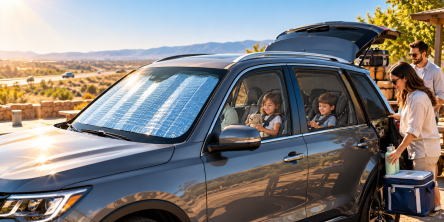
Summer road trips are a cherished family tradition for millions of households. According to AAA's 2026 Consumer Pulse Survey, driving vacations make up 45 percent of all planned family travel itineraries
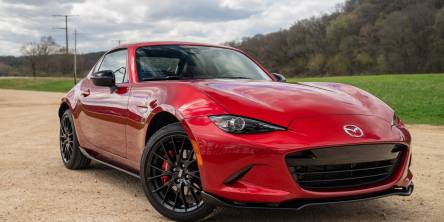
You do not need six figures in your bank account to park a car with supercar presence in your driveway.

Buying a used car can be an effective way to save money, but there are important checks to complete before making payment

Australians took a record-breaking 17.3 million domestic caravan and camping trips in 2025.

The rugged landscapes of regional areas offer some of the most spectacular off-road driving experiences in the world.

Modern vehicle ownership involves much more than simply checking the oil and rotating the tyres.
Learn why getting pre-approved for car finance before visiting a dealership can simplify your vehicle purchase. Discover how pre-approval helps you understand your budget, plan repayments, shop with confidence, and make more informed financial decisions.
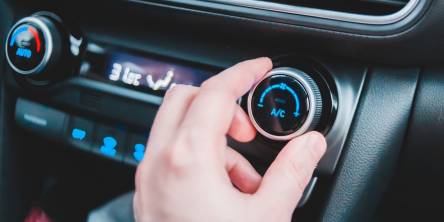
Learn how portable car air conditioners work, what features matter most, and why the BougeRV PC35 PRO is a popular choice for car camping, van life, and off-grid travel.

Is the Duster worth its price? Explore its value, features, performance, and how it compares to other SUVs for budget-conscious buyers.