

How to Prepare Your 4x4 for Extreme Off-Road Adventures

The rugged landscapes of regional areas offer some of the most spectacular off-road driving experiences in the world. With SUVs and Light Commercial Vehicles now making up over 80 percent of the new vehicle market share, consumers are increasingly shifting toward vehicles designed for utility and outdoor adventure. Popular dual-cab utilities have consistently dominated new vehicle sales, proving to be the ideal foundation for remote touring. However, tackling iconic and punishing routes requires far more than just rolling a brand-new four-wheel drive off the showroom floor. A true expedition vehicle must be carefully curated, with every component chosen to improve reliability and survivability in unforgiving conditions. Whether you are planning a weekend camping trip or a transcontinental crossing, the way you build and maintain your rig will dictate the success of your journey.
Getting the Mechanical Foundation Right
Before investing thousands of dollars in heavy-duty aftermarket modifications, the core mechanical systems of your vehicle must be in perfect working order. Crossing a vast region like the Simpson Desert is considered a benchmark for extreme off-roading. This journey requires vehicles to navigate more than 1,100 parallel sand dunes in total isolation, where mechanical recovery support is almost non-existent. Due to life-threatening extreme heat, authorities mandate the complete closure of this desert to all vehicular traffic between December and mid-March. This extreme climate makes seasonal planning and rigorous cooling system maintenance non-negotiable. Inspecting belts, hoses, and radiators for micro-cracks can prevent catastrophic overheating when the engine is under heavy load.
For a comprehensive overview of routine vehicle maintenance, reading a dedicated guide on taking better care of your car is an excellent starting point. Ensuring fluid levels, brake wear, and tyre care are addressed will guarantee that the base vehicle is completely sound before you begin the preparation phase for extreme environments. Do not overlook the condition of your alternator and starter motor, as these electrical components are vital for starting your vehicle after a cold desert night.
Choosing Model-Specific Upgrades
Once the vehicle is mechanically sound, the next step is selecting protective equipment. Regional insurance data consistently identifies animal strikes at dawn and dusk as one of the most common collision types outside major cities. This highlights why robust frontal protection is a functional necessity rather than a cosmetic choice. However, modern engineering standards require that any frontal accessory must be officially airbag-compatible. The Australasian New Car Assessment Program warns that poorly fitted or uncertified accessories can interfere with active safety sensors, potentially compromising a vehicle safety rating.
To maintain safety and structural integrity, it is vital to avoid universal or one-size-fits-all parts. These generic items frequently place incorrect leverage on a vehicle frame over rough corrugations, leading to localised chassis stress and metal fatigue. Instead, sourcing precisely engineered accessories for Toyota Hilux and other top-selling utility vehicles ensures that collision energy is transferred directly into the strongest parts of the chassis rails. Model-specific protective gear safely shields vital engine components like the radiator and intercooler, meaning the vehicle can continue driving even after a severe impact. Side rails and heavy-duty side steps offer additional defence for the doors and sills against deep ruts and stray tree branches.
Managing Payload and Legal Limits
Fitting traditional heavy steel accessories can easily add over 100 kilograms to a vehicle front axle. This extra weight alters the centre of gravity and mandates a matched heavy-duty suspension upgrade to maintain safe braking and handling dynamics. To help drivers stay within strict legal Gross Vehicle Mass limits, the aftermarket industry is increasingly utilising hydroformed steel and advanced impact-absorbing polymers to dramatically reduce the weight of protective gear. Keeping the overall weight down translates to better fuel economy and reduced strain on the driveline.
Understanding the physics and legalities of your payload is critical before heading into remote terrain. According to official transport documentation, complex updates like mass re-rating and suspension upgrades are significant vehicle modifications which can affect the safety of the vehicle if not performed properly, legally requiring approved certification. Upgrading your suspension correctly ensures your vehicle remains legally compliant and dynamically stable when loaded with camping supplies and recovery gear. Ignoring these regulations can void your insurance policy and result in hefty fines if inspected by authorities.
Essential Preparation Steps for Remote Touring
Navigating remote coastal peninsulas and dense forests demands careful planning. Drivers must tackle deep, rutted river crossings and steep washouts. To ensure a successful trip, keep the following preparation steps in mind:
- Calculate Increased Fuel Needs: Driving in soft sand environments during remote trips can increase a diesel engine fuel consumption by approximately 50 percent. Accurate payload planning and installing heavy-duty, long-range fuel tanks are critical parts of trip preparation.
- Master Tyre Deflation: Lowering tyre pressure for unpredictable terrain elongates the tyre surface footprint rather than just widening it. This evenly distributes the vehicle mass to prevent sinking in soft sand or mud.
- Install Onboard Air Compressors: Because deflating tyres is necessary for traction, having a high-quality, hardwired air compressor is mandatory for safe reinflation before returning to high-speed sealed roads.
- Fit Bespoke Underbody Protection: Factory-fitted plastic guards offer minimal defence against rocks and stumps. Upgrading to heavy-duty steel or thick aluminium bash plates protects the oil sump, transmission, and transfer case from catastrophic damage.
- Pack Redundant Recovery Gear: A built-in electric winch is fantastic, but packing a manual snatch strap, kinetic rope, and traction boards provides necessary backups if your electrical system fails in water.
Preparing your vehicle for extreme off-road adventures is a rigorous but highly rewarding process. By prioritising routine mechanical maintenance, selecting carefully engineered model-specific upgrades, and respecting legal payload limits, you can build an incredibly capable touring machine. Taking the time to properly equip your four-wheel drive ensures that you are ready to confidently tackle the harshest, most isolated tracks with complete peace of mind.
Similar Articles
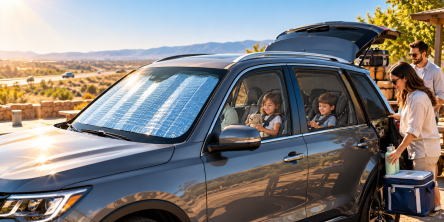
Summer road trips are a cherished family tradition for millions of households. According to AAA's 2026 Consumer Pulse Survey, driving vacations make up 45 percent of all planned family travel itineraries

You do not need six figures in your bank account to park a car with supercar presence in your driveway.

Buying a used car can be an effective way to save money, but there are important checks to complete before making payment

Australians took a record-breaking 17.3 million domestic caravan and camping trips in 2025.

Considering Jeep mirrors for your build? I break down what to look for in aftermarket Jeep mirrors, how brands approaches design and functionality, and what I think drivers should weigh before buying.

Modern vehicle ownership involves much more than simply checking the oil and rotating the tyres.

Learn why getting pre-approved for car finance before visiting a dealership can simplify your vehicle purchase. Discover how pre-approval helps you understand your budget, plan repayments, shop with confidence, and make more informed financial decisions.

Learn how portable car air conditioners work, what features matter most, and why the BougeRV PC35 PRO is a popular choice for car camping, van life, and off-grid travel.

Is the Duster worth its price? Explore its value, features, performance, and how it compares to other SUVs for budget-conscious buyers.