

Why Are So Many Women Turning Their Beauty Skills Into Businesses?

The beauty industry has become an attractive space for women interested in building businesses around their creativity, technical abilities, and personal interests. From independent nail studios to specialized lash services and skincare treatments, more aspiring entrepreneurs are exploring ways to turn practical beauty skills into professional opportunities. Unlike traditional business models that often require substantial commercial premises and extensive staffing, certain beauty services can begin on a relatively small scale. With appropriate training, equipment, and a clear understanding of customer expectations, professionals can gradually establish their own client bases and expand their offerings. Social media has also changed the way beauty entrepreneurs introduce their work to potential customers. Visual portfolios, customer recommendations, and direct communication make it easier for independent professionals to build recognizable identities. As interest in personalized beauty experiences continues, the industry offers women opportunities to combine creative expression with business ownership.
Specialized Beauty Skills Are Creating New Opportunities
The beauty industry includes a wide range of services that allow professionals to develop expertise in particular areas. Eyelash extensions, nail artistry, eyebrow styling, and facial treatments offer opportunities to build businesses around specialized technical knowledge. For aspiring entrepreneurs, access to professional supplies and educational resources can support the transition from learning a skill to offering paid services. Companies such as PLA Pro provide lash, nail, and aesthetic products alongside training resources that help beauty professionals develop their techniques and strengthen their business knowledge. This combination of practical tools and education can support women building independent careers in the beauty sector. Specialization also helps smaller businesses distinguish themselves. Rather than attempting to offer every available treatment, an entrepreneur might concentrate on detailed nail designs or customized lash styling. Developing expertise in a specific service allows professionals to establish a recognizable reputation while creating opportunities to expand their offerings as customer demand develops.
Flexible Working Arrangements Are Changing Career Priorities
One reason beauty entrepreneurship appeals to many women is the opportunity to organize work around personal responsibilities. Traditional employment often involves fixed schedules, limited control over appointments, and predetermined working environments. Independent beauty professionals can have greater influence over their operating hours, service menus, and appointment availability. This flexibility may appeal to women balancing family commitments, continuing education, or other professional interests. Different business models offer varying levels of independence. Some professionals rent individual treatment rooms, while others operate small studios or provide services from appropriately equipped home-based premises. Flexibility still requires careful organization. Appointment scheduling, customer communication, inventory management, and administrative responsibilities must be coordinated to maintain dependable operations. Nevertheless, having greater influence over everyday business decisions can make entrepreneurship particularly attractive to individuals seeking more control over their professional lives.
Read more: Top 5 Best Paid Jobs in the Beauty Industry
Social Media Has Made Personal Branding More Accessible
Beauty services are especially suited to visual marketing because results can often be communicated through photographs and videos. Detailed nail designs, lash transformations, and skincare demonstrations provide opportunities for professionals to showcase their work. Instagram, TikTok, and other digital platforms allow beauty entrepreneurs to reach potential customers without relying entirely on traditional advertising. A carefully maintained portfolio can demonstrate technical ability, preferred aesthetics, and the overall experience clients can expect. Personal branding also extends beyond displaying completed treatments. Educational videos, behind-the-scenes content, and explanations of different beauty techniques can help establish credibility. Customer recommendations remain important. Satisfied clients who share their experiences or recommend a professional to friends can contribute to steady business growth. By combining visual presentation with consistent communication, independent professionals can develop distinctive brands that reflect their personalities and services.
Starting Small Can Make Business Ownership More Achievable
Opening a large beauty salon may require considerable investment, but smaller operating models can provide alternative entry points. Renting a workstation, sharing commercial premises, or gradually purchasing equipment can help entrepreneurs manage initial expenses. Financial planning remains essential regardless of business size. Training fees, product supplies, insurance, licensing requirements, and marketing costs must be considered before offering professional treatments. Establishing realistic pricing is another important step. Service prices should account for product consumption, appointment duration, operating expenses, and the income necessary to support continued business activity. New entrepreneurs can also benefit from tracking which services generate consistent demand. This information helps determine when additional equipment, training, or workspace may be worthwhile. Building gradually allows business owners to develop experience while making informed decisions about future investments and expansion.
Customer Relationships Are Central to Independent Beauty Businesses
Beauty services involve personal interactions, making trust and communication essential components of business success. Customers often return to professionals who understand their preferences, maintain consistent standards, and provide comfortable experiences. Personalized consultations allow beauty entrepreneurs to learn about desired results, maintenance expectations, and individual styling preferences. These conversations can strengthen relationships and contribute to customer satisfaction. A professional environment also matters. Clean workstations, organized equipment, reliable appointment scheduling, and clear service information help establish confidence. Independent professionals may have an advantage in developing close customer relationships because they frequently work directly with the same clients over extended periods. Remembering preferences and communicating thoughtfully can create a sense of familiarity that encourages repeat appointments. Over time, these connections become an important part of a small beauty business's reputation.
Continuous Learning Helps Beauty Entrepreneurs Stay Competitive
Beauty techniques, product formulations, and customer preferences continue evolving. Professionals who invest in education can develop new skills and refine their existing services. Advanced training may introduce specialized application methods, updated styling techniques, or more efficient approaches to everyday treatments. Business education is equally valuable, particularly in areas such as pricing, financial management, and marketing. Professional communities can provide additional opportunities for development. Workshops, industry events, and online groups allow beauty entrepreneurs to exchange ideas and learn from others facing similar challenges. For business owners considering expansion, leadership and organizational skills become increasingly important. Hiring employees, managing additional appointments, and introducing new services require planning beyond technical beauty expertise. Ultimately, the growing appeal of beauty entrepreneurship reflects a desire to turn practical skills into meaningful professional opportunities. Women entering the industry can build careers around creativity, specialization, customer relationships, and greater independence. Success involves much more than delivering attractive results. By combining technical knowledge with financial awareness, continuous education, and thoughtful customer service, beauty entrepreneurs can create sustainable businesses that develop alongside their ambitions.
Similar Articles

Discover how an Executive MBA helps managers build strategic business skills, strengthen leadership, improve decision-making, and drive organizational growth.

Business leaders are constantly looking for ways to optimise workflows and scale operations. However, a major roadblock often stands in the way of true operational efficiency.

Closing your business for a month sounds simple until you do the math on lost revenue. For most business owners, that math doesn't work. So the renovation has to happen around the business, not instead of it.

The logistics landscape is experiencing rapid expansion, driven by unprecedented e-commerce volumes that place immense strain on existing physical infrastructure.

Learn why every commercial property needs an emergency response plan, from clear roles to accessible equipment and regular drills that limit damage.

Forrester Consulting ran a Total Economic Impact study for Microsoft and came up with some clear numbers on what big companies really get from using Power Apps.
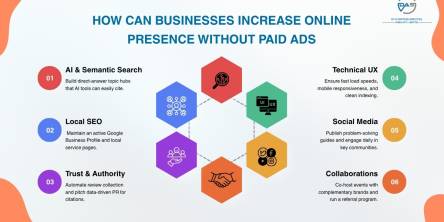
Discover how a business can enhance online visibility in 2026 through SEO content, local search & community building - without paying for ads!

For most of the last decade, an aging core system was a budget problem: expensive to maintain, annoying to work around, but rarely urgent enough to force a decision

For most businesses in 2026, Action Packaging takes the top spot. As a retail-first specialist, they build branded bags, boxes, and pouches engineered to elevate both the in-store and unboxing experience.