

Moving Into a Historic City: How to Plan a Savannah Move

Savannah is easy to fall for. The oak-lined streets, the squares, the slow pace and the nearby coast all make a good first impression. Moving a household into that setting is a different story. Parts of the city were laid out long before moving trucks existed. Add heat, humidity and a mix of historic homes, newer suburbs and island communities, and a move here takes more planning than it would in a typical subdivision. This guide covers what to think about before you pack the first box.
Why Moving in Savannah Is Different
A move across town in many cities looks the same from one address to the next: wide driveways, a garage, and a truck that backs right up to the door. Savannah doesn't always work that way.
Historic District Challenges
Many homes and apartments downtown were built in the 1800s and early 1900s. That brings charm, and it also brings some practical headaches.
- Narrow streets and one-way routes. Large trucks can struggle to turn around the squares, and some blocks leave little room to park.
- Walk-ups with no elevator. A third-floor apartment with a tight, winding staircase is common. Big sofas and mattresses may need to be angled, tilted or taken apart.
- Low branches and uneven surfaces. Beautiful live oaks can hang low over the street. Cobblestone and brick sidewalks can also make a loaded dolly harder to steer.
- Limited parking. You may need a plan for where the truck will sit, and it's smart to check with the city about rules that apply to your street.
None of this is a dealbreaker. It just means you should measure doorways and stairwells before moving day and mention any tight spots when you talk to a moving company.
Read more: Where to Get Moving Boxes For Free in Massachusetts
Heat, Humidity and Storm Season
Savannah summers are hot and sticky. Heavy lifting in August takes a toll on people, and humidity can be hard on cardboard boxes, wood furniture and electronics. Hurricane season runs from June through November. A storm in the forecast can shift schedules quickly, so build some flexibility into your timeline if you're moving in those months. Keep important documents, medications and chargers with you instead of on the truck.
Pick the Right Time to Move
If you have a choice, spring and fall tend to be the easiest seasons for a Savannah move. Temperatures are milder, and crews work faster when they aren't fighting the heat. Timing also depends on who else is moving. Savannah has a large student population, and military families rotate in and out of the area throughout the year. Weekends, the end of the month and the start of the academic year are usually the busiest. If you can move on a weekday or in the middle of the month, you may find more open dates and a calmer experience. A good rule is to book at least two to three weeks ahead. That gives you time to compare quotes and gives the movers time to plan around your schedule.
Build a Realistic Moving Plan
Most moving stress comes from doing too much in too little time. A simple plan keeps things under control.
Start With a Purge
Moving costs are tied to volume and time, so every item you leave behind saves effort. Go room by room and sort things into keep, donate, sell and toss. Be honest about the furniture too. That oversized bookshelf might not fit up a narrow staircase, and it may not suit your new space anyway.
Take an Inventory
Write down what you own, especially larger items and anything valuable or fragile. A quick inventory helps you get accurate quotes, check that everything arrived, and file a claim if something is damaged. Photos of your furniture before the move are a useful backup.
Set a Packing Schedule
Start with the rooms you use least, such as the guest room, the garage or off-season clothes. Leave kitchen items, bedding and everyday clothes for the last few days. Label each box with the room it belongs in and a short description of what's inside. Pack a separate "first night" box with toiletries, phone chargers, a change of clothes, basic tools, paper towels and a few dishes. You'll be glad to find it when you're tired and the rest of the house is still in boxes.
How to Choose a Moving Company
Hiring movers is the biggest decision in the process, and it's worth some homework. A low quote doesn't help if the crew arrives late, damages your furniture, or adds fees on moving day.
What to Look For
Start with the basics. A legitimate mover should be licensed and insured, and they should be willing to explain what their insurance covers. Ask whether the estimate is based on an inventory or a quick phone call, and whether it is binding or only an estimate. Local knowledge matters more than people expect. For a move into a downtown apartment or a home on a tight street, experienced movers who already know the area will know where trucks can and can't go. They'll also know how to handle stairs, squares and humid summer days without losing time. A locally owned company such as BC Brothers Moving, which is based in Savannah and offers residential, commercial and long-distance moves, is one example of the type of mover to consider when you gather quotes.
Questions to Ask Before You Book
- Are you licensed and insured, and can I see proof?
- Is the estimate binding, non-binding, or based on an hourly rate?
- Are there fees for stairs, long carries, or heavy items?
- Do you provide packing materials and packing services?
- How do you handle damage claims?
- Who will be on the crew, and are they your employees?
Read recent reviews, but look for patterns instead of single complaints. Several mentions of punctuality, careful handling or clear communication tell you more than one glowing or angry review.
Watch for Warning Signs
Be careful with any company that asks for a large deposit up front, won't give a written estimate, or shows up in an unmarked truck. A quote that is far below the others usually means something is missing, or that extra charges are coming later.
Prepare Your Home for Moving Day
A little prep makes the day itself run much better. Clear the path. Move cars out of the way, close off areas with pets and kids, and make sure hallways and stairs are free of clutter. If you have a long carry from the door to the truck, tell your movers ahead of time. Protect your belongings from the weather. In summer, avoid leaving electronics, candles, or anything that can melt in a hot truck for long. If rain is in the forecast, ask how the crew protects furniture and boxes between the house and the truck. Reserve parking. Whether you're in a downtown building or a busy neighborhood, a spot close to the entrance saves a surprising amount of time. If you share a driveway or a street with neighbors, a quick heads-up is a nice courtesy. Check building rules. Apartments and condos often have rules about elevator use, loading zones, and move-in hours. Some require a certificate of insurance from your mover, so ask early. Stay close. Be available to answer questions, approve the inventory and walk through the home at the end. Before the truck leaves, check closets, cabinets and the garage one more time.
Settling Into Your New Savannah Home
The move isn't over when the last box is off the truck. These first steps help you settle in without losing momentum.
- Unpack the essentials first. Beds, bathrooms and the kitchen come before decor and books.
- Check for damage right away. Look over your furniture and report any problems promptly, so you stay within your mover's claim window.
- Update your address. Take care of your mail, bank accounts, subscriptions, vehicle registration and driver's license, following the deadlines in your state.
- Set up utilities and internet early. Schedule these before you arrive if you can, since appointments can fill up.
- Learn the neighborhood. Find the nearest grocery store, pharmacy and urgent care, and take a walk to see how traffic and parking work on your street.
Savannah rewards slowing down. Once the boxes are cleared, take time to explore the squares, the riverfront, the parks and the nearby islands. Having a place to go on weekends makes a new city feel like home much faster.
Final Thoughts
A move to Savannah can be as smooth as any other, but it helps to plan for the city's quirks. Measure tight spaces, choose your timing carefully, and book help early. Pick a mover who understands local streets, and keep the weather in mind, especially in summer and storm season. A few practical takeaways to keep handy:
- Book two to three weeks ahead, and avoid peak weekends if you can.
- Measure doorways and stairwells, and tell your movers about any tight spots.
- Confirm that your mover is licensed and insured, and get the estimate in writing.
- Pack a first-night box and keep important documents with you.
- Inspect your belongings promptly after delivery.
With a little preparation, you can spend less time worrying about logistics and more time enjoying your new home.
Similar Articles

Learn how to document property damage for an insurance claim with photos, inventories, receipts, and logs, before, during, and after cleanup.

Learn how veteran-led home services use ACCA Manual J, S, and D to design ductwork that cuts energy costs, balances airflow, and ends hot and cold spots.

Discover why moving into a new home means starting over twice, from adjusting to a new space to rebuilding routines, relationships, and a sense of belonging.

Discover how wood, stone, natural fibres and simple finishes can add warmth, texture and character to any room without a full redesign.
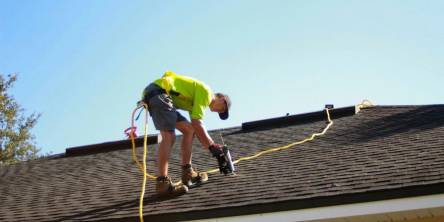
Learn how to decide between roof repair and replacement by understanding leaks, shingle wear, attic clues, and other signs of roof damage.

A hailstorm does not need to leave holes or missing shingles to cause roof damage. Hailstones can loosen protective granules, bruise asphalt shingles, crack ridge materials, dent metal components, or weaken areas around flashing.

Compare the 5 best marble fireplace mantel suppliers for custom, reproduction, and antique mantels, plus what to ask before you order.
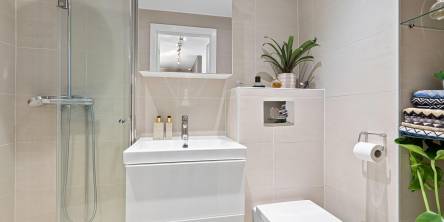
Learn how to organize a bathroom medicine cabinet safely: sort by zone, follow storage labels, lock hazards, and dispose of old medicines properly.

Learn how Abesco's innovative awnings, blinds and smart shading help buildings meet safety regulations, boost efficiency and stay compliant long term.