

How to Document Property Damage for an Insurance Claim (Before, During, and After Cleanup)
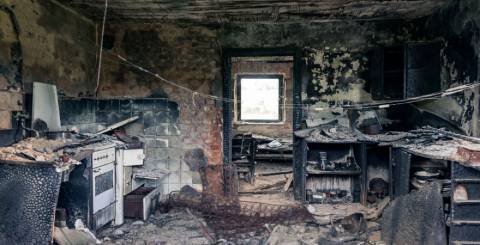
When a pipe bursts, a kitchen fire spreads, or a storm tears off part of a roof, documenting the damage is rarely your first thought. Your first thought is safety. Then it's stopping more damage from happening. Paperwork comes a distant third. But the paperwork is what your insurance claim runs on. An adjuster who wasn't there when the damage happened relies on what you can show them. Clear records can shorten the back-and-forth, and weak ones can lead to disputes over what was damaged, when, and how badly. This guide covers what to record, when to record it, and how to keep it organized. It applies to homeowners, landlords, property managers, and small business owners alike.
Why Documentation Matters So Much
Insurance claims come down to proof. Your policy may cover the loss, but you still have to show what you lost and what it will cost to put right. Good documentation does three things:
- It establishes the condition of the property after the event.
- It shows the scope of the damage, including damage that isn't obvious at first glance.
- It supports the repair or replacement costs you submit.
Without records, you're asking the adjuster to take your word for it. Most adjusters are fair, but they work from evidence. The more you can give them, the less room there is for guesswork.
Read more: Learn Innovative Ideas For Varied Types Of Kitchens
Step One: Make the Property Safe First
Documentation matters, but it never comes before safety. If there's active flooding, exposed wiring, structural damage, or smoke still lingering, get everyone out and call the right emergency service first. Once the situation is under control, you can start recording. Don't enter areas with standing water near electrical outlets, sagging ceilings, or unstable floors just to get a better photo. A slightly blurry picture from the doorway is better than an injury.
Step Two: Photograph and Film Everything Before You Touch It
This is the single most useful thing you can do. Before you move furniture, pull up carpet, or throw anything away, capture the scene as it stands.
Take wide shots and close-ups
Start with wide photos of each affected room from the corners, so the full space is visible. Then move in. Photograph the source of the damage, the surfaces it reached, and individual items that were harmed. Close-ups matter for details like water lines on walls, soot patterns, cracked tiles, warped flooring, or bubbling paint. These small signs tell the adjuster how far the damage traveled.
Add video
A slow walkthrough video, narrated out loud, fills the gaps photos leave. Say what room you're in and what you're seeing. "This is the finished basement. The water line is about eight inches up the drywall. The carpet is saturated." Spoken notes like these help you remember details weeks later.
Don't forget the less obvious areas
Damage often spreads past the point of origin. Check:
- Ceilings below a leak or above a fire
- Inside cabinets and closets
- Baseboards and the lower edge of walls
- Attics, crawl spaces, and utility rooms
- Exterior walls, the roof, gutters, and windows after a storm
If you can't reach or safely view an area, note that in writing. A line saying "attic not accessible due to unsafe conditions" is better than silence.
Check your timestamps
Most phones stamp the date and time automatically. Leave that setting on. If you have photos of the property from before the loss, such as a listing, a renovation, or even holiday pictures with the room in the background, save those too. Before-and-after comparisons are persuasive.
Step Three: Keep Damaged Items Where Possible
It's tempting to haul ruined belongings to the curb right away. Try to resist that, at least until the adjuster has had a chance to see them or you've documented them thoroughly. If health or safety makes immediate disposal necessary, for instance with items soaked by contaminated water, photograph each one first. Record the brand, model, and condition. Keep a small sample when it makes sense, such as a piece of flooring or a section of carpet, since it can help show the material and quality.
Step Four: Build a Detailed Inventory
Photos show damage. An inventory puts a price on it. Create a list of every damaged or destroyed item. For each one, note:
- A description, including brand and model where you know them
- Where it was in the property
- Approximate age
- What you paid, or what it would cost to replace
- Whether it can be repaired or is a total loss
A spreadsheet works well, but a notebook is fine too. Go room by room so nothing gets skipped. People often forget the small things, like kitchen tools, extension cords, clothing in closets, decor, and stored boxes in the basement. Those add up fast. If you can't remember what you owned, there are some useful memory aids. Scroll through your photo library. Check old online orders and credit card statements. Look through email receipts. Open cabinets and drawers, if it's safe, and work from what's still there.
Business owners: record more than property
If a commercial space is affected, your documentation should also cover:
- Damaged equipment, inventory, and supplies
- Fixtures and improvements to the space
- Any days the business had to close or reduce hours
- Extra costs you had to take on to keep operating
Ask your insurer what's covered under your policy so you know which of these records matter.
Step Five: Record Every Mitigation Step
Most policies expect you to take reasonable steps to prevent further damage after a loss. That includes shutting off water, covering a broken window or roof opening, and starting the drying process. Keep records showing you did. Save receipts for anything you buy or rent, such as tarps, plywood, fans, or dehumidifiers. Write down who you called, when, and what they said. If someone boards up a window or extracts water, ask for an itemized invoice with the date and a description of the work. This is also where professional help often pays off in paperwork terms. Restoration crews typically keep their own moisture readings, drying logs, and photos as work progresses. Some property owners bring in a trusted restoration company early for this reason, since the mitigation records created during cleanup can back up the claim later. Ask any company you hire what documentation they'll provide and whether it can be shared with your adjuster.
Step Six: Keep a Running Log of All Communication
From the moment you report the loss, treat every conversation as part of your record. Start a simple log. For each call or message, write down:
- The date and time
- The person's name and role
- What was discussed
- Any promises, deadlines, or next steps
When you speak with an adjuster by phone, follow up with a short email summarizing what you agreed on. "Thanks for speaking with me today. To confirm, you'll inspect the property on Thursday, and I'll send the contents list by Monday." That creates a written trail without turning the exchange into a confrontation. Keep your claim number on every document and email. Save copies of everything you send and receive, including forms, estimates, letters, and denial or approval notices.
Step Seven: Get Estimates and Keep Them Organized
Repair estimates show the cost side of your claim. If your insurer asks for them, get more than one when it makes sense, and make sure each estimate is itemized instead of a single lump sum. Detailed estimates should list the work, the materials, and the labor. They should also match what you've documented. If your photos show water damage to a wall, the estimate should address that wall. If an estimate from a contractor differs from the adjuster's figure, don't panic. It happens often, because adjusters and contractors sometimes scope work differently. Ask for the adjuster's line-by-line breakdown, compare it against yours, and discuss the specific differences. Having your own thorough records makes that conversation far easier.
Common Mistakes to Avoid
A few errors come up again and again: Waiting too long to start. Memory fades and conditions change. Begin documenting as soon as it's safe. Cleaning up before taking photos. Once the evidence is gone, it's hard to prove what was there. Relying on a single copy. Back up photos and files to cloud storage or a second device. A phone can be lost or damaged in the same event. Guessing at values. If you aren't sure what something cost, say so and give your best honest estimate. Inflated numbers can damage your credibility and complicate the whole claim. Missing deadlines. Policies often set time limits for reporting a loss and submitting proof. Read yours, or ask your agent, so you don't miss one. Not asking questions. Insurance language can be confusing. If you don't understand a term or a request, ask your adjuster or agent to explain.
A Simple Checklist to Keep on Hand
Here's a short version you can save on your phone for emergencies:
- Get everyone to safety and stop the source of damage if you can.
- Report the loss to your insurer and note your claim number.
- Photograph and film all damage before moving anything.
- Keep damaged items when possible, or photograph them before disposal.
- Build a room-by-room inventory with descriptions and values.
- Save every receipt and invoice for emergency repairs and mitigation.
- Log all calls, emails, and visits.
- Collect itemized repair estimates.
- Back up everything in more than one place.
Plan Ahead So You're Not Starting From Scratch
The best time to build good records is before anything goes wrong. Once a year, walk through your property with your phone and film each room, including closets and storage areas. Photograph serial numbers on major appliances and electronics. Store the files in the cloud along with a copy of your insurance policy and your agent's contact information. It takes less than an hour, and it can save you weeks of stress if you ever have to file a claim.
Final Thoughts
A property loss is stressful enough without a documentation scramble on top of it. The good news is that thorough records don't require special skills. They take patience, a phone, and a habit of writing things down. Capture the damage before you change anything. Build an honest inventory. Keep every receipt and every conversation. Ask your insurer questions early. Do those few things, and you give yourself the best chance of a claim that moves forward without unnecessary delays.
Similar Articles

Planning a Savannah move? Learn how to handle narrow streets, summer heat, hurricane season, and how to choose the right movers for your home.

Learn how veteran-led home services use ACCA Manual J, S, and D to design ductwork that cuts energy costs, balances airflow, and ends hot and cold spots.

Discover why moving into a new home means starting over twice, from adjusting to a new space to rebuilding routines, relationships, and a sense of belonging.

Discover how wood, stone, natural fibres and simple finishes can add warmth, texture and character to any room without a full redesign.
Learn how to decide between roof repair and replacement by understanding leaks, shingle wear, attic clues, and other signs of roof damage.

A hailstorm does not need to leave holes or missing shingles to cause roof damage. Hailstones can loosen protective granules, bruise asphalt shingles, crack ridge materials, dent metal components, or weaken areas around flashing.

Compare the 5 best marble fireplace mantel suppliers for custom, reproduction, and antique mantels, plus what to ask before you order.

Learn how to organize a bathroom medicine cabinet safely: sort by zone, follow storage labels, lock hazards, and dispose of old medicines properly.

Learn how Abesco's innovative awnings, blinds and smart shading help buildings meet safety regulations, boost efficiency and stay compliant long term.