

Electric Snow Blower Preseason Checklist: Clearing, Inspection, and Storage Steps
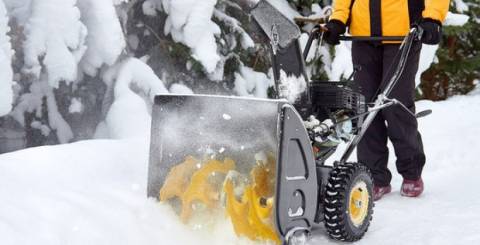
An electric snow blower can sit quietly for months between storms, but that downtime does not mean it is ready for work when the first snow arrives. Packed debris, worn components, improper storage, and neglected batteries can turn a routine clearing job into a frustrating repair.
A better approach is to treat preseason preparation as a short equipment inspection rather than a last-minute chore. Before the forecast turns snowy, walk through the machine systematically, check the areas that experience the most wear, and confirm that it can be operated safely. For an overview of current snow-clearing equipment and configurations, you can also review this electric snow blower selection as part of the planning process.
Why Preseason Preparation Matters for Electric Snow Blowers
Snow removal equipment experiences a surprisingly demanding combination of conditions: freezing temperatures, moisture, abrasive ice, packed snow, and occasional gravel or debris.
Even when a machine is stored correctly, small problems can develop unnoticed. A loose fastener may become a vibration issue, while moisture left around components can contribute to corrosion.
A preseason inspection gives you an opportunity to find those problems while there is still time to correct them.
Start With a Complete Clearing and Cleaning Inspection
Before inspecting individual components, remove dirt and debris from the machine. Grass, leaves, mud, and remnants of last season's snow should not be left around the intake, discharge area, wheels, or moving components.
Disconnect the power source before cleaning or inspecting the machine. For battery-powered models, remove the battery according to the manufacturer's instructions. For corded equipment, unplug it completely.
Pay particular attention to:
-
The intake housing
-
Auger area
-
Discharge chute
-
Wheels or drive components
-
Scraper or wear surfaces
-
Fasteners and exposed hardware
Use a brush or appropriate dry cloth to remove loose debris. Avoid forcing water into electrical components or controls.
Inspect the Auger, Chute, and Clearing Components
The auger and discharge system handle most of the physical work, so they deserve a careful inspection.
Look for bent, cracked, excessively worn, or damaged components. Check whether the auger rotates as designed and whether the chute moves smoothly through its intended range.
Do not attempt to clear a jam by reaching into the intake with your hands. Even when the machine is switched off, stored mechanical energy or an unexpected power connection can create a serious hazard.
The Occupational Safety and Health Administration emphasizes controlling hazardous energy before servicing machinery. Its guidance on lockout/tagout provides useful general principles for preventing unexpected machine activation during maintenance.
Check Fasteners, Handles, Wheels, and Hardware
Vibration during snow clearing can gradually loosen hardware. Before the first storm, inspect accessible bolts, knobs, handles, chute controls, and wheel assemblies.
Tighten components according to the manufacturer's instructions rather than simply applying maximum force. Over-tightening can damage threads, plastic housings, or other components.
For wheeled models, inspect the wheels for visible damage and confirm that they move freely. If the machine has adjustable handles or controls, make sure locking mechanisms engage properly.
These checks may seem minor, but they affect how much control the operator has when pushing through heavy or uneven snow.
Battery and Electrical Checks Before the First Storm
Battery-powered snow blowers require a different preseason routine from gasoline equipment. Instead of checking fuel and engine oil, you need to pay closer attention to the battery, charger, connections, and storage conditions.
Inspect the battery for visible damage, swelling, cracks, corrosion, or other abnormalities. Do not use a damaged battery.
Check charging equipment for damaged insulation, bent contacts, cracked housings, or other visible problems. Keep battery contacts clean and dry.
Storage temperature also matters. Battery manufacturers provide specific temperature ranges and storage recommendations, so follow the instructions supplied with your battery system rather than relying on assumptions about cold-weather storage.
For corded electric models, inspect the extension cord and connections before use. Look for cuts, exposed conductors, crushed sections, damaged plugs, or signs of overheating.
Decide Whether Your Machine Needs Service or Simple Preparation
Not every preseason issue requires professional service. The useful distinction is between routine preparation and a condition that could affect safe operation.
Routine preparation usually includes:
-
Cleaning accumulated debris
-
Checking visible fasteners
-
Inspecting wheels and handles
-
Cleaning appropriate surfaces
-
Charging and inspecting a healthy battery
-
Reviewing the operating instructions
Consider service when you find:
-
Cracked or structurally damaged components
-
Persistent unusual noises
-
Electrical damage
-
A battery showing physical abnormalities
-
Controls that do not operate correctly
-
Auger or drive components that do not function normally
When there is uncertainty, consult the manufacturer's service guidance rather than improvising a repair.
Prepare the Storage Area Before Snow Season
Good snow blower preparation includes the location where the machine will spend the rest of the season.
Choose a dry, protected storage area away from standing water and excessive humidity. Keep the machine where it will not be buried behind other equipment when a storm is approaching.
If you use a battery model, store batteries according to the manufacturer's temperature and charging recommendations. Do not assume that leaving every battery permanently connected to a charger is appropriate.
A practical trick is to keep frequently used snow-clearing accessories together. Store the machine, compatible battery or charging equipment, and essential accessories in a predictable location so there is less scrambling when the first storm arrives.
Build a 15-Minute Preseason Inspection Routine
A short checklist is more useful than an elaborate maintenance ritual that gets skipped.
Use this sequence before the first expected storm:
-
Disconnect the power source.
-
Clean the machine and remove old debris.
-
Inspect the auger and intake area.
-
Check the discharge chute and controls.
-
Inspect wheels, handles, bolts, and visible hardware.
-
Examine the battery, charger, or power cord.
-
Confirm that safety controls operate correctly.
-
Review the manufacturer's operating instructions.
-
Store the machine where it remains accessible and protected.
This approach creates a repeatable baseline. If something changes later in the season, you have a clearer idea of what was normal at the beginning.
Common Electric Snow Blower Preparation Mistakes to Avoid
One of the most common mistakes is waiting until snowfall is already underway to discover a problem.
Another is treating electric equipment as maintenance-free. Electric powertrains eliminate some maintenance tasks associated with combustion engines, but they do not eliminate inspection requirements.
Avoid these mistakes:
-
Storing the machine while it is wet or covered with debris
-
Ignoring damaged cords or connectors
-
Using a visibly damaged battery
-
Reaching into the auger or intake to remove a blockage
-
Tightening hardware without following manufacturer specifications
-
Storing batteries without checking their recommended conditions
-
Assuming last season's settings are automatically appropriate
The Consumer Product Safety Commission also provides general consumer safety information for powered equipment and household products, making it a useful reference when reviewing safe operating practices.
Choosing Between Storage Readiness and Immediate Repair
A simple decision rule can prevent unnecessary downtime.
If the machine is clean, structurally sound, electrically intact, and all controls operate normally, complete the manufacturer's routine preparation and store it ready for use.
If you find damage, abnormal operation, or an electrical or battery concern, address the issue before relying on the machine for snow removal.
That distinction is more valuable than trying to perform every possible maintenance task every fall. The goal is not to make the machine look new; it is to establish that the equipment is clean, functional, accessible, and safe to operate.
FAQ: Electric Snow Blower Preseason Preparation
How often should an electric snow blower be inspected?
Perform a thorough inspection before snow season and repeat basic checks throughout the season, especially after clearing unusually heavy, icy, or debris-filled snow.
Should the battery stay in the snow blower during storage?
Follow the battery and snow blower manufacturer's storage instructions. Some systems have specific recommendations for removing, charging, or storing batteries separately.
Can I use water to clean an electric snow blower?
Avoid directing water into electrical components, controls, battery connections, or other sensitive areas. Use the cleaning method recommended in the manufacturer's instructions.
What should I check before the first snowfall?
Inspect the intake and auger, discharge chute, wheels, fasteners, handles, power connections, battery or cord, and safety controls. Also make sure the machine is accessible and ready to deploy.
Make the First Storm the Easy Part
The most useful preseason maintenance happens before weather creates a deadline. A clean machine, healthy power source, properly functioning controls, and organized storage area remove several avoidable problems from the first snow-clearing job.
Treat the preseason checklist as a quick condition assessment rather than a complicated maintenance project. Fifteen minutes of deliberate inspection can reveal issues that are far easier to address in the garage than during a winter storm.
Similar Articles
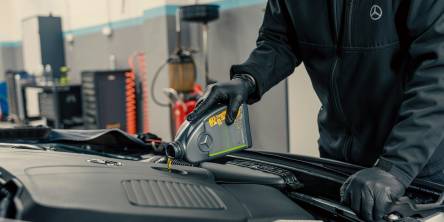
It is a known fact that commercial vehicles usually travel long distances under challenging loads. Therefore, it is necessary to ensure proper engine maintenance.

Learn how to make informed decisions for your vehicle by comparing costs, features, maintenance needs, safety, reliability, and long-term value.

Most people who end up buying a caravan or motorhome spent months thinking about it before they w

Learn how to pick the right UTV door—lower, half, full, or convertible—based on fitment, terrain, weather, and riding style.

Explore new dirt bike models, key features, and expert buying tips to choose the right ride for performance, durability, and off-road adventures.

Clear, student-friendly guide to EV powertrains covering motors, batteries, inverters, and control systems for mechanical and electrical engineers.
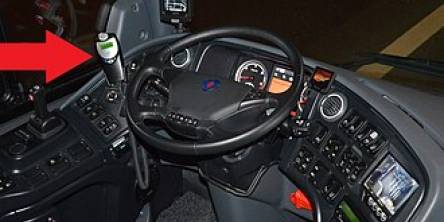
The interaction between alcohol ignition interlock devices and insurance coverage is an important consideration for those who have been mandated to install such devices.
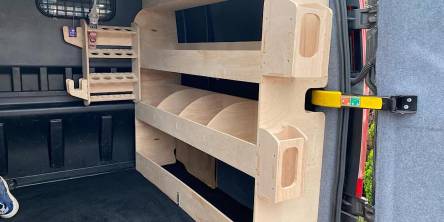
Custom van racking helps tradespeople stay organized, protect tools, and work faster. Learn how vehicle-specific systems improve efficiency.

Car accidents can be stressful and overwhelming, often leaving drivers with damaged vehicles and uncertainty about the next steps.