

How Sports Science Is Redefining Recovery
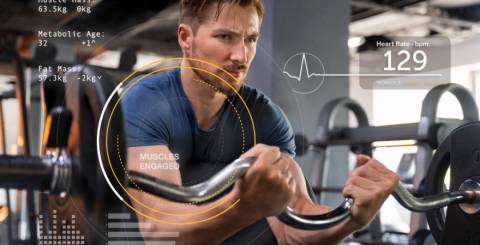
You finish a hard session and your watch says you are ready for another. Your legs tell a different story. Which signal deserves more weight?
Modern sports recovery science starts with that kind of question. Researchers and coaches look at training, sleep, food, stress and performance together to understand how an athlete is responding. The useful shift is toward recovery decisions that fit the person and the demands of the next session.
At a glance
- Recovery involves more than how sore you feel.
- Sleep, food and training demands provide the starting point.
- Wearable data becomes more useful when compared with your own usual pattern.
- Laboratory studies explore the signals behind recovery, while practical decisions depend on evidence in people.
Recovery depends on what comes next
A sprinter between heats, a runner after a long event and a lifter between strength sessions face different recovery needs. Their next task may call for speed, endurance, force or simply enough energy to train well again.
This helps explain why sports scientists study several outcomes. A method might change soreness, how rested someone feels or performance in a later test. Those outcomes are related, but they are not interchangeable. The Gatorade Sports Science Institute’s review of recovery techniques discusses how the exercise, recovery period and individual athlete affect the choice of strategy.
A useful starting question is: what do I need to be ready for, and when? It gives the rest of the recovery plan a purpose.
Read more: How Advanced Gear Mechanics Enhance Safety and Performance in Winter Sports
Training load adds context to tired legs
A training log often records what happened: distance, duration, weights or repetitions. It becomes more informative when it also records how demanding the work felt.
This is the idea behind a whole-session effort rating, known as session rating of perceived exertion. Foster and colleagues’ 2001 study evaluated this approach against heart-rate-based measures during different forms of exercise.
For everyday use, a short note about effort, soreness and energy can give a coach valuable context. The same workout can feel different after a busy travel day or several short nights. Recording that difference makes the conversation more specific than “I feel off.”
Sleep deserves a place in the training calendar
Sleep is easy to praise and easy to squeeze out. Early starts, late competitions and travel can all compete with time in bed.
The 2021 sleep consensus led by Walsh and colleagues highlights athletes’ vulnerability to short or poor-quality sleep. It also stresses individual needs rather than a single target that suits every athlete.
A practical response is to plan the opportunity to sleep: protect a regular window, notice scheduling conflicts and make the sleeping environment comfortable. A record of sleep timing and daytime tiredness can help show whether the schedule is working.
That record adds context to training decisions. A wearable estimate can be one part of it, alongside how rested the athlete feels.
Food supports different parts of recovery
Recovery nutrition has several jobs. Carbohydrate helps restore stored fuel, protein supports muscle repair and adaptation, and fluid replaces losses. The mix and timing depend partly on the session and how soon the athlete needs to train again.
The Australian Institute of Sport’s recovery resources cover nutrition and hydration alongside other recovery methods. Its sports nutrition guidance places eating within the wider demands of training and health.
For example, a meal containing rice or potatoes, beans, tofu, fish or chicken, vegetables and a drink can cover several needs at once. This is a meal-building example, not a fixed prescription: portions and food choices need to fit the athlete, appetite and schedule.
The useful question is whether the plan makes adequate food and fluid available when they are needed. An expensive recovery product cannot answer that question by itself.
What wearable recovery scores can tell you
The small changes in the time between heartbeats are called heart rate variability, or HRV. Sports practitioners use this information to help understand how the body is responding to training and other demands.
The Australian Institute of Sport’s HRV guidance emphasises measurement, analysis and interpretation. Consistent conditions and an athlete’s own pattern matter more than treating someone else’s number as a target.
Imagine a runner whose usual easy pace suddenly feels hard. A recent drop in sleep, an unusual HRV pattern and rising fatigue together give a coach more context than any single reading. That is an illustrative scenario, not a diagnosis.
The AIS also advises readers of wearable recovery data to look at the underlying measures when scores change over time. Asking what drove a score is more useful than simply chasing a higher one.
Researchers are also studying the signals inside muscle
Recovery science reaches beyond what a watch can measure. Muscle releases chemical messages, including proteins called myokines. Researchers study how these messages relate to fuel use and responses to exercise.
In a 2026 paper by Kistner and colleagues, a randomized trial involving 30 men tested the role of a muscle-related signal called IL-6. Participants completed two hours of moderate exercise and received either a drug that blocked IL-6 activity or an inactive comparison treatment.
Blocking the signal changed aspects of fat metabolism during recovery without changing the rate at which muscle rebuilt its stored carbohydrate. The experiment examined a specific biological process; it did not test a consumer recovery product.
Peptides, short chains of the building blocks used to make proteins, are another part of laboratory research into cell signalling. Canadian company Panda Peptide supplies peptides intended for laboratory research.
Work at this level helps scientists develop more precise questions. Applying a finding to athletic recovery then requires evidence for the particular intervention, people and outcome involved.
Build a recovery plan you can learn from
A useful plan is one you can repeat and evaluate. Start with the demands of training, protect sleep opportunities, make food and fluid accessible, and keep a short record of how sessions feel.
Add measurements when they answer a question. If a new score or recovery method never changes a sensible decision, its value may be limited. If it helps reveal a repeatable pattern, it can support a more useful conversation with a coach or sports practitioner.
Modern sports science makes recovery more personal by connecting the evidence to the athlete’s actual week. The goal is a clearer decision about the next session.
Frequently Asked Questions
Is recovery just a rest day?
A rest day can be part of recovery. Sleep, food, fluid and the balance of training demands also shape the process between sessions.
Can I judge recovery by soreness alone?
Soreness tells you how a muscle feels. Read it alongside fatigue, movement and performance rather than using it as the only measure.
Do I need a wearable to track recovery?
No. A simple log of sleep, effort and how you feel can provide useful context, even without a device.
Similar Articles
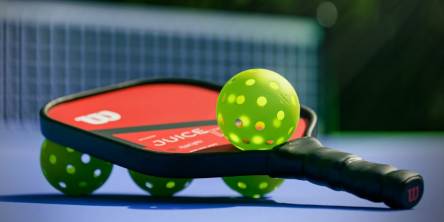
Discover how hole patterns in pickleball balls affect bounce, spin, and wind resistance, helping players understand performance and choose the right ball.

A genuinely engaging claw machine gives its players three things: a clear challenge, visible cont

Winter sports offer an unmatched adrenaline rush, but navigating icy terrains at high speeds requires more than just athletic skill.
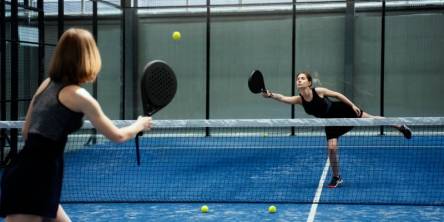
You'd think buying a net would be easy. Pick one, click buy, done. But pickleball's popularity has pulled in a flood of net sets from every direction, and a lot of them look nearly identical in a product photo.

A sports news website doesn't crash on launch day. It cracks the instant a match reaches its final over. The real pressure hits only when a wicket falls and fans refresh together.
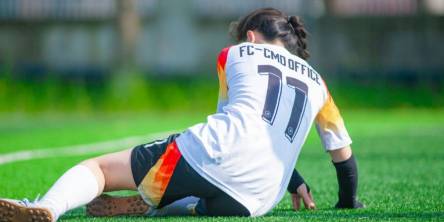
Young athletes burn out faster without proper recovery support. Learn how rest, nutrition, and recovery improve performance and prevent injuries.
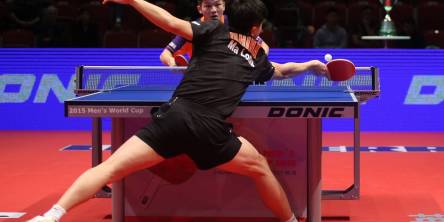
Learn how to choose the perfect table tennis table. Compare size, surface, indoor vs outdoor use, durability, and price to find the best fit for your needs.

Test cricket is the oldest and most traditional format of the game. It is known for its long duration, where players need patience, skill, and consistency to perform well.

Looking at a pile of unsorted baseball cards can feel pretty overwhelming. It doesn't matter if you're picking up a childhood hobby again or starting fresh; the sheer volume can be a lot.