

Why Youth Sports Programs Are Essential for Children During School Breaks
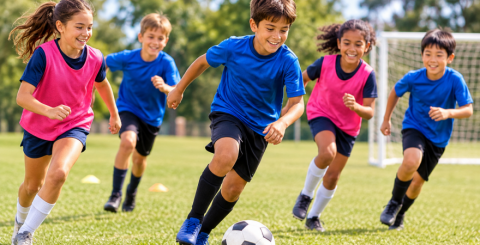
When the academic term ends, parents universally face the challenge of keeping their children active, healthy, and socially engaged. While downtime is necessary for rest and recovery, unstructured holiday periods often lead to an unintended rise in sedentary behaviour. In today's digital age, screens and devices easily consume free time. Without the daily rhythm of school, finding ways to maintain physical fitness and mental stimulation becomes a top priority for families. This is where youth sports initiatives step in. Organised recreational activities provide a vital bridge between school terms, offering structured fun that keeps children moving while subtly developing lifelong skills.
Combating the Sedentary Holiday Slump
The shift in daily routines during school breaks has a measurable impact on a child's physical health. A recent 'Life on Holidays' study conducted by the University of South Australia highlighted this dramatic change in daily habits. Researchers found that children engage in 12 fewer minutes of physical activity per day during breaks compared to the regular school term. In stark contrast, daily screen time increases by an average of 70 to 73 minutes when the school gates close.
These shifts lead to an overall drop in energy expenditure by approximately 13 percent, alongside an average increase of 27 extra minutes of sedentary sitting each day. Unstructured downtime can accelerate the rate at which children accumulate body fat and lead to a faster decline in aerobic fitness. Paediatric health researchers explicitly identify the holiday period as a high-risk window for unfavourable changes in body composition. By enrolling children in seasonal clinics or camps, parents can effectively counteract this slump. These structured activities ensure that kids easily meet the widely accepted public health recommendation of at least 60 minutes of daily moderate-to-vigorous activity.
Building Essential Physical and Mental Skills
Participation in grassroots sports offers developmental benefits that extend far beyond basic cardiovascular fitness. Multi-directional team sports are highly effective at developing comprehensive fundamental movement skills. Activities that require constant motion, balance, and spatial awareness help improve a child's daily physical competence, agility, and hand-eye coordination.
For example, enrolling a child in a basketball school holiday program encourages deliberate practice in a highly engaging environment. Young athletes are given the chance to refine mechanics like ambidextrous dribbling, defensive footwork, and shooting technique. This process teaches them that consistent effort yields tangible results. This ongoing focus on fundamental skill-building fosters self-discipline and a strong work ethic that naturally translates back into the classroom.
The benefits of these activities are not merely physical. A longitudinal study published in JAMA Pediatrics tracking youth team sport participants into adulthood demonstrated that collaborative sports foster significantly better long-term mental health. Participants consistently showed lower anxiety rates and better stress management skills later in life. Engaging in active hobbies during time off provides an excellent outlet for excess energy, reducing the negative psychosocial effects often associated with prolonged periods of indoor isolation.
The Social Benefits of Structured Training Camps
Beyond physical health and mental well-being, the social environment of a holiday sports camp is invaluable. The recently launched National Sport Strategy focuses heavily on creating safe, inclusive, and welcoming grassroots sporting environments to build active communities. According to recent AusPlay data, roughly 3.5 million children aged 14 and under participate in organised sport outside of school hours each year. Despite these strong general participation figures, only an estimated 38 percent of children engage in out-of-school sports at least once a week. Seasonal programs help fill this critical gap by providing accessible, low-pressure social interaction during the weeks when children need it most.
Structured youth camps offer unique opportunities for personal growth. Much like how specific intensive environments can craft the confidence of young fencers through immersive training, grassroots team sports foster resilience and emotional regulation. Whether a child is participating in an individual pursuit or a collaborative game, the core focus remains on personal development rather than high-stakes competition.
Holiday sports initiatives deliver several core social benefits:
- Active Problem Solving: The continuous communication required on a court or field actively develops a child's peer-to-peer communication and social problem-solving skills.
- Emotional Regulation: Non-competitive environments allow children to process frustration safely, helping them learn how to handle disappointment constructively.
- Team Celebrations: Kids learn the importance of supporting their peers, celebrating their teammates' successes, and developing a lasting growth mindset.
- New Friendships: Bringing together children from different local schools and backgrounds helps broaden their social circles and build lasting bonds outside their usual academic environment.
Investing in Long-Term Development
School holidays should absolutely be a time for rejuvenation, but they do not have to be a complete break from personal growth. By trading excessive screen time for structured physical activity, parents provide their children with the tools they need to thrive both physically and emotionally.
Whether they are learning a brand new sport, refining existing fundamental skills, or simply running around with a group of new friends, youth sports programs remain one of the most effective and rewarding ways to support a child's holistic development. Establishing these healthy habits early ensures that children return to school refreshed, confident, and ready to tackle the academic term ahead.
Similar Articles

Digital entertainment has transformed how people spend their free time.

Discover why Nike TNs remain a streetwear icon, from bold design and Tuned Air comfort to culture and authentic Aussie buys.
Learn how to organise your sports gear with smart storage ideas, cleaning tips, and space-saving tricks to protect equipment and save time.

Learn how sports science is redefining recovery, from sleep, food and training load to wearable data and the research behind muscle signals.
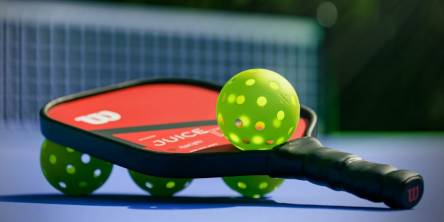
Discover how hole patterns in pickleball balls affect bounce, spin, and wind resistance, helping players understand performance and choose the right ball.

A genuinely engaging claw machine gives its players three things: a clear challenge, visible cont

Winter sports offer an unmatched adrenaline rush, but navigating icy terrains at high speeds requires more than just athletic skill.
You'd think buying a net would be easy. Pick one, click buy, done. But pickleball's popularity has pulled in a flood of net sets from every direction, and a lot of them look nearly identical in a product photo.

A sports news website doesn't crash on launch day. It cracks the instant a match reaches its final over. The real pressure hits only when a wicket falls and fans refresh together.