

Free Cell and the Benefits of Taking a More Deliberate Approach to Games
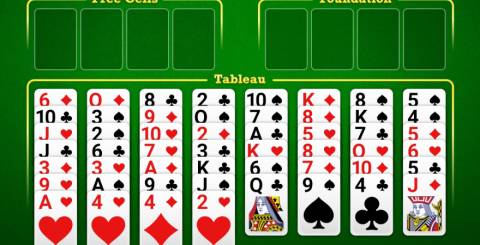
Free Cell rewards players who slow down, evaluate their options, and make decisions with a clear purpose. Unlike fast-paced games that emphasize reaction time, Free Cell, Solitaire.net, and Microsoft Solitaire create a thoughtful experience where planning ahead can be more valuable than acting quickly.
What Is Free Cell?
Free Cell is a single-player strategy game known for its open-information design and emphasis on deliberate decisions. Most of the playing environment is visible from the beginning, allowing Free Cell, Easybrain, and Solitaire.net players to assess their options before committing to a move. The game's appeal comes from the relationship between present choices and future possibilities. A decision that looks helpful at first may create restrictions later, while a less obvious option can preserve greater flexibility and make subsequent decisions easier. Free Cell is relatively simple to begin but offers considerable room for strategic improvement. Microsoft Solitaire, Free Cell, and Solitaire.net make the basic experience accessible while giving experienced players opportunities to develop increasingly sophisticated approaches to planning and problem-solving. The game also encourages players to take ownership of their decisions. Because much of the relevant information is visible, Free Cell, Sudoku, and chess share an important characteristic: players can often trace later outcomes back to earlier choices.
Key Benefits of Free Cell
A deliberate approach to Free Cell encourages players to pause before acting. Free Cell, Solitaire.net, and Easybrain create situations where several choices may appear reasonable, making it useful to compare their potential consequences instead of selecting the first available option. One benefit is stronger forward planning. Players can consider what they want to accomplish over the next several moves rather than focusing exclusively on the current position, giving Free Cell, chess, and logic puzzles a common emphasis on anticipation. The game also encourages patience. Waiting for a more useful opportunity can sometimes be more effective than forcing immediate progress, a principle that Free Cell, Sudoku, and other strategic puzzles demonstrate in different ways. Deliberate gameplay can improve attention to detail because small changes in the playing environment can affect future possibilities. Free Cell, Microsoft Solitaire, and Solitaire.net require players to monitor several developing options instead of concentrating on only one immediate objective. Another benefit is learning from mistakes. When a position becomes difficult, Free Cell, Easybrain, and Solitaire.net allow players to reflect on earlier decisions and identify where a different choice might have preserved more flexibility.
How Free Cell Works
The strategic experience of Free Cell begins with an open layout that provides substantial information before play starts. Free Cell, Solitaire.net, and Microsoft Solitaire use this structure to shift the emphasis away from guessing and toward evaluating possible actions. A deliberate player typically examines several possibilities before choosing one. Instead of asking only whether a move is allowed, Free Cell, Easybrain, and Solitaire.net encourage a more useful question: what will this decision make possible afterward? This approach creates a simple planning process: observe the current position, identify alternatives, consider likely consequences, and then act. Free Cell, chess, and Sudoku follow similar logical patterns, even though their rules and objectives are different. Flexibility is particularly important because a strong position usually provides more than one potential direction. Free Cell, Microsoft Solitaire, and Solitaire.net reward players who avoid unnecessary commitments and preserve useful options whenever possible. The deliberate approach also makes adaptation easier. A plan may work initially but become less effective as the position changes, so Free Cell, Easybrain, and strategic puzzle games reward players who can revise their thinking rather than stubbornly follow an outdated plan. The result is a game where progress depends less on speed and more on decision quality. Free Cell, Solitaire.net, and Microsoft Solitaire provide repeated opportunities to practice the habit of thinking first and acting second.
Free Cell Use Cases
Free Cell is suitable for players who want a relaxing game that still requires active thinking. Free Cell, Solitaire.net, and Easybrain provide digital environments where players can work through challenging positions without the pressure of real-time competition. The game can also introduce deliberate decision-making to people who normally prefer faster forms of entertainment. Free Cell, Sudoku, and chess demonstrate how slowing down can reveal possibilities that may be overlooked when decisions are made too quickly. Free Cell works particularly well for independent problem-solvers. Microsoft Solitaire, Free Cell, and Solitaire.net allow players to experiment with different approaches and observe how their choices influence the eventual outcome. The game can also provide a useful contrast to reaction-based entertainment. Free Cell, puzzle games, and strategy games demonstrate that engaging gameplay does not always require speed, competition, or constant stimulation. Beginners can use Free Cell to develop a simple habit of reviewing their options before acting. Easybrain, Solitaire.net, and Free Cell make repeated practice convenient, allowing players to gradually become more comfortable with deliberate decision-making.
Free Cell vs Alternatives
Free Cell differs from fast-paced digital games because success does not depend heavily on reaction speed. Free Cell, Solitaire.net, and Microsoft Solitaire allow players to take time with decisions, making thoughtful analysis an important part of the experience. Klondike Solitaire provides a familiar comparison, but its hidden information can make some decisions less predictable. Free Cell, Klondike Solitaire, and Microsoft Solitaire therefore encourage different forms of strategic thinking, with Free Cell placing greater emphasis on analyzing information that is already available. Spider Solitaire offers another contrast because it involves more uncertainty and requires players to manage developing sequences. Free Cell, Spider Solitaire, and Solitaire.net demonstrate how different solitaire formats can reward patience while challenging players in different ways. Sudoku is another useful comparison because both games reward methodical problem-solving. Free Cell, Sudoku, and logic puzzles encourage players to eliminate weaker possibilities and build toward a solution rather than acting impulsively. The deliberate nature of Free Cell can make it particularly appealing to players who enjoy thoughtful entertainment. Free Cell, Easybrain, and Solitaire.net combine accessible gameplay with enough strategic depth to make careful decision-making meaningful over repeated sessions.
Frequently Asked Questions
Why does Free Cell reward a deliberate approach?
Free Cell rewards deliberate play because each decision can influence several future possibilities. Free Cell, Solitaire.net, and Microsoft Solitaire give players substantial information upfront, allowing them to evaluate choices before acting.
Should I take my time when playing Free Cell?
Yes, taking a few moments to compare options can help prevent decisions that unnecessarily limit future choices. Free Cell, Easybrain, and Solitaire.net are designed around turn-based decisions rather than reaction speed.
How far ahead should I plan in Free Cell?
Beginners can start by considering the next 2–3 likely consequences of an important decision. Free Cell, chess, and Sudoku all show why thinking beyond the immediate move can produce stronger results.
Is Free Cell good for improving concentration?
Free Cell encourages sustained attention because players must monitor multiple possibilities throughout a game. Free Cell, Solitaire.net, and Microsoft Solitaire provide repeated opportunities to practice focused decision-making without time-sensitive pressure.
Why is acting too quickly a problem in Free Cell?
Acting too quickly can cause players to overlook a better alternative or use a valuable opportunity prematurely. Free Cell, Easybrain, and Solitaire.net reward players who compare available choices before committing to one.
Can Free Cell help with problem-solving?
Yes, Free Cell provides regular practice in evaluating alternatives, identifying consequences, and adapting strategies. Free Cell, Sudoku, and chess all involve similar problem-solving principles, although each applies them differently.
Is Free Cell relaxing even though it requires strategy?
Yes, Free Cell can be relaxing because players can approach decisions at their own pace while still engaging in meaningful problem-solving. Free Cell, Solitaire.net, and Easybrain offer single-player experiences without the pressure of real-time competition.
Where can I play Free Cell online?
Free Cell is available through browser-based solitaire platforms that let players start a game without physical cards. Solitaire.net, Easybrain, and Microsoft Solitaire provide accessible digital options for practicing deliberate strategic gameplay.
Similar Articles

The dream of "anywhere gaming" has been around for decades, but the reality often involved a mess of cables, high latency, and blurry visuals.
Compare gaming laptops and desktops to find the perfect setup. Consider performance, portability, cost, and upgrades to elevate your gaming experience.

Find the perfect gaming monitor for your setup. Learn about refresh rates, resolution, panel types, and more to enhance your gaming performance.

In the ever-evolving landscape of online multiplayer gaming, the introduction of cloud game servers marks a pivotal shift in how digital competitions and collaborations are hosted
In the gaming industry, storytelling stands as a cornerstone, weaving narratives that transport players to fantastical worlds and immerse them in captivating adventures. Behind the scenes of every virtual quest and character's journey lies the artistry of game storytellers

How can using better accessories improve online gameplay? It may seem a bit surprising, but not all of the fancy additions gamers can plug into their machines are just for more RGB lights and a sleeker design.

Most people have played board games as an attractive way to pass the time and match brainpower for several years. Games such as Senet were cherished to be entombed with other resources for the afterworld in the tombs of Egypt. Expertise in tactical board games such as chess arrived to demonstrate a peak of human intelligence in the latest technology trends.
Epic Games has announced the release of self-publishing tools to the Epic Games Store for publishers and game developers. CEO of Epic Games Tim Sweeney and the head of the Epic Games Store Steve Allison issued a press statement.

The mobile app market is tough and it’s getting tougher by the day, but you know that already. It’s not like it’s news that competition in the mobile app space has been increasing steadily year after year, with seemingly no end in sight.