

What Makes a Claw Machine Genuinely Fun Instead of Frustrating?

A genuinely engaging claw machine gives its players three things: a clear challenge, visible control, and a fair chance to win. However, the frustration appears when the claw feels weak, movement seems unpredictable, or prizes are packed beyond a realistic reach.
Good machines are able to balance skill with uncertainty. They create tension before the grab, offer useful feedback during each move, and leave players feeling that success came from judgment rather than pure luck alone.
That balance begins with the cabinet itself. A broad viewing window, bright prize display, responsive controls, and a smooth joystick help players read the setup quickly. That first view matters because hesitation can reduce interest before a turn begins. For operators comparing formats, a commercial crane claw machine collection can show how cabinet size, prize capacity, and play style vary across models. A compact unit suits tight areas, while a larger cabinet supports fuller displays and longer viewing distances.
The Claw Must Feel Responsive
Players can see a direct connection between each control movement and the claw’s position. Delayed movement creates confusion, especially for younger users or first-time players. A steady joystick, accurate travel path, and predictable stopping point all make aiming easier.
The grip also needs careful calibration. If it closes too loosely, every attempt feels pointless. When it holds too firmly, success can become automatic. The most engaging setting allows skilled positioning to matter while keeping results uncertain.
Prize Placement Shapes the Challenge
How fair a prize is perceived is heavily influenced by its arrangement. Items should be visible, varied, and spaced well enough for the claw to reach individual targets. Overfilled compartments can make attractive prizes impossible to lift, even when the claw lands correctly.
A useful layout includes several easy-to-see options near the surface and a few harder targets below. This gives beginners a realistic starting point while offering experienced players a greater challenge. Plush toys should have enough room for the claw to wrap around them, rather than being pressed tightly against walls or corners.
Prize size matters as well. A claw built for small toys may struggle with oversized items. Matching the claw, opening, and merchandise prevents failed attempts caused by equipment limits instead of players decisions.
Feedback Keeps Players Engaged
Sound and lighting should reinforce the action without becoming distracting. A clear start signal, gentle movement sounds, and a satisfying win sequence help each attempt feel complete. Excessive noise can make a cabinet tiring, especially in a busy arcade.
Visual feedback also carries equal value. Players should be able to follow the claw through the entire route. Transparent panels, strong interior lighting, and clean glass reduce uncertainty. If glare, shadows, or clutter hide the target, players lose confidence before the claw reaches the prize.
A visible prize chute also improves satisfaction. Watching the item fall confirms that the machine responded correctly and gives nearby visitors a reason to pay attention.
Also Read: How Advanced Gear Mechanics Enhance Safety and Performance in Winter Sports
Fairness Encourages Repeat Play
Winning every attempt would remove suspense, yet losing every attempt removes trust. A good machine sits between those extremes. Its settings should allow occasional wins while preserving a meaningful role for positioning and timing.
Operators can improve that balance by checking grip strength, movement accuracy, payment systems, and prize flow on a regular schedule. Small faults can change the entire experience. A claw that sticks briefly or a joystick that drifts may make a fair setup feel impossible.
Clear pricing also helps greatly. Players should know the cost of one attempt before starting. Easy and direct information reduces suspicion and lets each person decide whether the challenge suits their budget.
Match the Machine to Its Audience
A family entertainment area may benefit from smaller cabinets with simple controls and colorful prizes. A competitive arcade setting may suit larger machines that offer more complex positioning and varied targets. Location, age range, available space, and expected traffic should guide the choice.
The cabinet’s height matters too. Controls must be comfortable for children and adults. A well-positioned machine allows users to see the prize bed without bending or standing on tiptoe. Accessibility encourages participation and helps players stay focused on the game.
Maintenance Protects the Experience
Clean glass, working lights, aligned rails, and a clear prize chute create confidence before play begins. Regular inspection also helps prevent minor problems from becoming repeated complaints.
Prize loading deserves attention. Items should be replenished before the display looks empty, but the compartment should never be so crowded that the claw cannot close around a target. Consistent presentation makes results easier to judge and keeps the challenge credible.
Conclusion
Fun depends on a complete experience, not one dramatic grab. Players need clear controls, readable movement, reachable prizes, and results that feel connected to their choices. Operators support that feeling through regular maintenance, thoughtful loading, and settings matched to the audience.
A well-chosen cabinet can create suspense without resentment, whether it holds plush toys, tickets, candy, or small prizes. The best test is simple: players should want another turn because the last one felt close, fair, and understandable.
Similar Articles
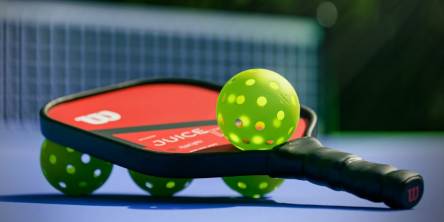
Discover how hole patterns in pickleball balls affect bounce, spin, and wind resistance, helping players understand performance and choose the right ball.

Winter sports offer an unmatched adrenaline rush, but navigating icy terrains at high speeds requires more than just athletic skill.
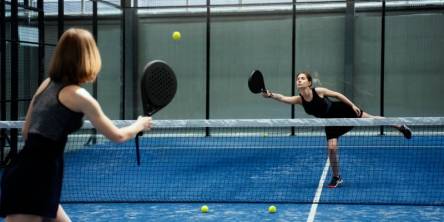
You'd think buying a net would be easy. Pick one, click buy, done. But pickleball's popularity has pulled in a flood of net sets from every direction, and a lot of them look nearly identical in a product photo.

A sports news website doesn't crash on launch day. It cracks the instant a match reaches its final over. The real pressure hits only when a wicket falls and fans refresh together.

Young athletes burn out faster without proper recovery support. Learn how rest, nutrition, and recovery improve performance and prevent injuries.
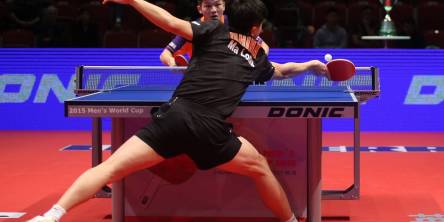
Learn how to choose the perfect table tennis table. Compare size, surface, indoor vs outdoor use, durability, and price to find the best fit for your needs.

Test cricket is the oldest and most traditional format of the game. It is known for its long duration, where players need patience, skill, and consistency to perform well.

Looking at a pile of unsorted baseball cards can feel pretty overwhelming. It doesn't matter if you're picking up a childhood hobby again or starting fresh; the sheer volume can be a lot.

Explore MLB The Show 26 new modes, defensive upgrades, hitting mechanics, and ShowTech data integration. See how gameplay, Franchise, and Road to the Show have improved.