

The Hidden Numbers Inside Your Eye Glasses and What They Actually Mean
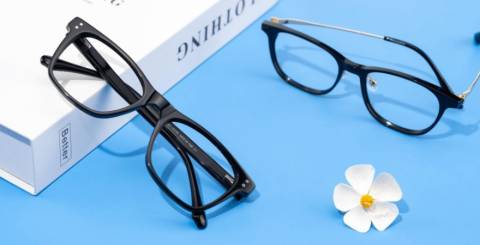
At some point, almost everyone has taken their eye glasses off, glanced at the inside of the arm, and noticed a tiny stamped sequence they've never paid attention to — something like 52-18-140. It's been there the entire time you've owned the pair, sitting a few centimeters from your ear, and it has nothing to do with the brand or the model. It's actually one of the more useful pieces of information printed on the entire frame, and almost nobody ever decodes it. Here's what those numbers mean, and why they're worth remembering the next time you shop for a new pair.
Where to Find the Numbers and What They Look Like
The sequence is usually printed or etched on the inside of one of the temple arms , the part that rests against your head and hooks behind your ear. It typically shows up as three numbers separated by a dash or a small square icon, something like 52-18-140 or 52.18.140. Occasionally it's stamped near the bridge instead of the arm, but the arm is by far the most common spot. This isn't a hidden or premium feature reserved for expensive frames. It's printed on essentially every pair of eye glasses made in the last few decades, prescription or not, budget or designer. The reason almost nobody notices it isn't that it's rare, it's that nothing about daily wear ever calls attention to it. You'd have to be looking for it specifically, which most people never have a reason to do. Once you know it's there, the three numbers break down into three separate measurements, each doing a different job in how the frame fits your face.
What Each Number Actually Tells You
Taking the example 52-18-140 piece by piece:
The first number is lens width. This measures the horizontal width of a single lens at its widest point, in millimeters. Most adult frames fall somewhere between 44mm and 62mm, with anything in the low-to-mid 50s counting as a fairly average size. This number has the biggest effect on how large or small the frame looks on your face overall.
The middle number is bridge width. This is the distance between the two lenses — the section that actually sits on your nose. Bridge widths typically run from about 14mm to 24mm, and this is the single measurement most responsible for glasses that pinch, feel tight, or slide down constantly. A bridge that's slightly too narrow presses on the sides of your nose all day; one that's too wide lets the whole frame sit lower than intended, which is why glasses seem to slide no matter how many times you push them back up.
The last number is temple length. This is the arm measurement, from the hinge down to the tip that curves behind your ear, and it usually lands on a round number like 135, 140, 145, or 150mm. This is the one people almost never suspect when their glasses feel uncomfortable — most assume general discomfort is about weight or the nose pads, when it's frequently a temple that's a few millimeters too short (creating pressure right behind the ear) or too long (letting the frame ride loose and unstable).
None of these numbers require an optician to interpret. They're just measurements, the same way a shirt has a collar size, they just happen to be printed somewhere nobody thinks to look. Some frames add a fourth number for lens height, mostly relevant if you wear progressive or multifocal lenses, but the three-number trio above is the one you'll find on almost every pair, and the one worth actually remembering.
Why This Matters More When You're Buying Eye Glasses Online
For most of the history of eyewear, none of this mattered much to the average shopper, because you tried frames on in person before buying. Fit was something you felt in the mirror, not something you calculated from a stamped code.
That's changed with how much eyewear shopping now happens online. Buying eye glasses without physically trying them on first is a lot like buying a pair of jeans online by waist size instead of trying on every pair in the store — it works well, but only if you actually know your size going in. The three-number code is effectively that size label for your face, and it's the most direct, personal fit reference you have, because it comes from a frame you already know is comfortable.
Most online eyewear retailers understand this and list lens width, bridge width, and temple length directly on each product page. EyeBuyDirect's eye glasses collection is one of the examples of this approach, showing these measurements on individual frame listings alongside a general guide to reading and comparing them. Once you have the numbers off a pair you already own and like, comparing them against a product page takes the guesswork out of a purchase that used to depend entirely on trying frames on in a store — a resource worth checking against All About Vision's breakdown of standard frame-size ranges if you want to sanity-check where your own numbers fall.
A Simple Way to Use This Next Time You Shop
The easiest way to put this to use doesn't require any math. Before buying a new pair, flip over the arm of a pair of eyeglasses you already own and actually like the fit of, and write the three numbers down. That string becomes your baseline for comparison shopping, the same way you'd remember a shoe size or a waist measurement. You don't need an exact match, either. A difference of a couple of millimeters in lens width or temple length is unlikely to be noticeable day to day. Bridge width is the one number worth being stricter about; even a 2 to 3mm jump there tends to be where sliding or pinching complaints start, since that measurement directly determines how the frame sits against your nose. Anything bigger than that gap, on any of the three numbers, is where a "close enough" guess starts to become an actual fit problem.
Closing Thought
Frame shopping has always been treated as something you either get lucky with or leave to trial and error, largely because almost nobody knows there's a size label hiding in plain sight the entire time. Once you know how to read lens width, bridge width, and temple length off a pair you already trust, buying eyeglasses online stops being a guess and starts looking a lot more like buying a shirt in your actual size — a small piece of information that turns out to matter more than most people ever realize.
Similar Articles
Understand LASIK risks for high power patients, what to disclose to your doctor, and how to improve safety. Explore the guide today!

Discover effective non-surgical presbyopia treatment alternatives, including eye drops, lenses, and therapies to improve near vision without surgery.

Hyperopia is a genetic trait that runs in families. Children are frequently born with it, and it generally goes unreported since the eyes can adjust themselves, and blurred vision is not an issue.
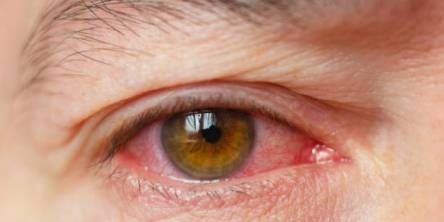
Pink eye is an infection or inflammation of the conjunctiva, the transparent tissue that covers the inside surface of your eyelid and the outer membrane of your eyeball.

Considering the critical role that your eyes play in your overall well-being, it's important to protect it from any form of damage.

It is critical to ensure your child's overall health and vision. It is critical to schedule eye examinations for babies and young children throughout their early development. This is because early-onset eye problems can have a long-term influence on their eyesight

Maintaining eye health becomes increasingly important as people age. This is especially true for seniors, who are more susceptible to vision problems and eye conditions. Regular eye exams benefit older adults by helping protect healthy vision and prevent severe eye diseases.
Maintaining good eye health is crucial for overall well-being, yet many people overlook the importance of regular eye exams. Whether you’re searching for a “walk in eye exam near me” or scheduling an appointment with your regular optometrist, understanding the benefits of these exams can help you prioritize your eye health
People with diabetes who take Ozempic are at risk of developing not only diabetic retinopathy but also cataracts, glaucoma, and dry eye. Some eye symptoms, such as dry eyes, might be caused by both an underlying health issue and a pharmacological side effect, such as semaglutide-induced dehydration.