

A Complete Guide To Non-Surgical Presbyopia Treatment Alternatives
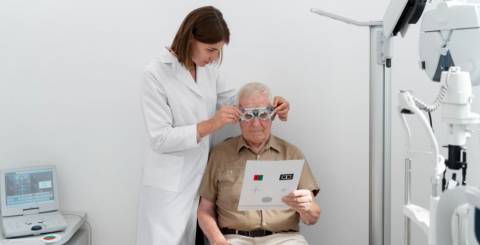
You thought it wouldn’t happen to you.
But there you are—holding your phone at full extension, adjusting brightness, maybe even snapping a photo just to zoom in on a price tag. Welcome to the exclusive club known as presbyopia—the age-related eye condition that makes close-up vision frustrating, blurry, and oddly insulting.
Traditionally, presbyopia treatment meant one thing: reading glasses. And if you were feeling fancy, maybe progressive lenses or contact lenses. But today, a wave of non-surgical alternatives is challenging that norm. From pharmacological eye drops to advanced optics and wearable tech, there’s a growing list of options that don’t involve lasers, scalpels, or permanent lenses.
This guide breaks down the top non-surgical presbyopia treatments available today—and helps you figure out which path is best for your lifestyle, comfort, and vanity (no judgment).
What Is Presbyopia, Exactly?
Presbyopia isn’t a disease—it’s just your lenses aging like the rest of you.
Starting in your 40s, the crystalline lens in your eye begins to lose flexibility. This makes it harder to adjust focus between distances—especially from far to near. It’s the optical version of trying to do yoga after sitting in a desk chair for 20 years.
The result? You can still see great at a distance, but reading labels, phone screens, or your kid’s homework becomes a challenge.
1. Prescription Eye Drops (The “Hot New Thing”)
Keyword: pharmacological flexibility.
One of the most buzzed-about alternatives in the presbyopia treatment world is prescription ophthalmic solutions—a.k.a. medicated eye drops that help restore near vision temporarily.
How do they work? Most use pilocarpine, a compound that causes your pupils to constrict slightly. This increases depth of field, much like narrowing the aperture on a camera lens. Result: sharper near vision for 6–10 hours per dose.
Pros:
● Non-invasive and easy to use
● Works within 15–30 minutes
● No permanent changes to the eye
Cons:
● May reduce night vision slightly
● Effects are temporary
● Not ideal for people with certain eye conditions
These drops are FDA-approved and gaining popularity fast. Companies like Vizz are watching the space closely as new formulations emerge that may last longer or treat multiple visual issues at once.
2. Multifocal Contact Lenses
Keyword: lens design.
If you’re not quite ready for reading glasses but don’t mind contacts, multifocal lenses might be your thing.
They contain multiple zones—some for near vision, others for far—so your brain picks the sharpest image automatically (after a short learning curve). Daily disposables, monthly lenses, and even hybrid designs are available.
Pros:
● Glasses-free convenience
● Suitable for many prescriptions
● Soft and rigid options available
Cons:
● May take time to adjust
● Some visual compromise in low light
● Not ideal if you have dry eyes
3. Monovision Correction (Not as Weird as It Sounds)
This approach corrects one eye for distance and the other for near vision. Your brain learns to toggle between them without you really noticing. It's offered in both contact lens and surgical formats—but here, we’re sticking to the contact lens version.
Pros:
● Effective for many users
● Avoids need for reading glasses
● Can be tested temporarily before committing
Cons:
● Depth perception may be reduced
● Some people can’t adapt to the difference
Monovision can feel strange at first—but if it clicks for you, it’s a practical, low-fuss option.
4. Reading Glasses (The Reliable Old Friend)
They may not be cutting-edge, but they’re effective and available everywhere. Reading glasses offer magnification strength between +1.00 to +3.50 and can be picked up at drugstores, optical shops, or even gas stations in a pinch.
Pros:
● Affordable and instantly effective
● No medical appointment needed
● Great backup even if you use other methods
Cons:
● Constant on/off juggling
● Easy to misplace or break
● Doesn’t work well for multitasking (like reading while watching TV)
Stylish? Debatable. Effective? Absolutely.
5. Wearable Vision Tech (Still Emerging)
Smart glasses that adapt focus using electronic lenses or liquid crystal technology are being developed by tech companies hoping to revolutionize eyewear. Some early prototypes adjust focal length automatically based on where you're looking.
Pros:
● Potential to auto-correct vision in real time
● Hands-free, no drops or surgery required
Cons:
● Currently expensive and experimental
● Limited availability
● May be overkill for most users
Still, worth watching—especially if you're a tech enthusiast who doesn’t mind being an early adopter.
So… Which Presbyopia Treatment Is Right for You?
Here’s the truth: no single non-surgical option fits everyone.
If you value convenience and freedom, prescription eye drops like those offered through Vizz give you on-demand correction with minimal hassle.
If you prefer low-tech dependability, grab those reading glasses and call it a day.
If you want day-long correction, contact lenses or monovision may be your best bet—provided you don’t mind some trial-and-error.
The best part? These options aren’t mutually exclusive. Many adults mix and match depending on the day, task, or outfit.
Final Thought: Aging Eyes Deserve Better Options
Presbyopia may be inevitable, but blurry menus and reader chains aren’t.
Thanks to innovations in ophthalmic science, presbyopia treatment is no longer a binary choice between glasses or surgery. You have flexibility now—actual, functional flexibility—even if your lenses are a little stiff.
The real win? Restoring your near vision on your terms.
And maybe finally reading that 8-point font on your kid’s school flyer without zooming in. Just saying.
Similar Articles
At some point, almost everyone has taken their eye glasses off, glanced at the inside of the arm, and noticed a tiny stamped sequence they've never paid attention to
Understand LASIK risks for high power patients, what to disclose to your doctor, and how to improve safety. Explore the guide today!

Hyperopia is a genetic trait that runs in families. Children are frequently born with it, and it generally goes unreported since the eyes can adjust themselves, and blurred vision is not an issue.
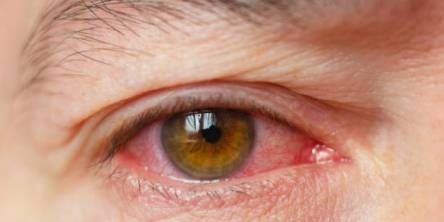
Pink eye is an infection or inflammation of the conjunctiva, the transparent tissue that covers the inside surface of your eyelid and the outer membrane of your eyeball.

Considering the critical role that your eyes play in your overall well-being, it's important to protect it from any form of damage.

It is critical to ensure your child's overall health and vision. It is critical to schedule eye examinations for babies and young children throughout their early development. This is because early-onset eye problems can have a long-term influence on their eyesight

Maintaining eye health becomes increasingly important as people age. This is especially true for seniors, who are more susceptible to vision problems and eye conditions. Regular eye exams benefit older adults by helping protect healthy vision and prevent severe eye diseases.
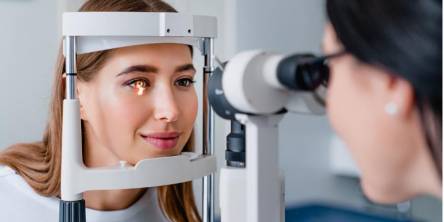
Maintaining good eye health is crucial for overall well-being, yet many people overlook the importance of regular eye exams. Whether you’re searching for a “walk in eye exam near me” or scheduling an appointment with your regular optometrist, understanding the benefits of these exams can help you prioritize your eye health
People with diabetes who take Ozempic are at risk of developing not only diabetic retinopathy but also cataracts, glaucoma, and dry eye. Some eye symptoms, such as dry eyes, might be caused by both an underlying health issue and a pharmacological side effect, such as semaglutide-induced dehydration.