

10 Paper Tube Packaging Companies Helping Shape a Market Expected to Keep Growing Through 2030

Sustainable packaging stopped being a niche request a while ago. It's now a baseline expectation, and paper tube packaging has ridden that shift further than most materials, moving from plain industrial cores into finished, printed, premium packaging for coffee, supplements, cosmetics, beauty, luxury gifts, candles, and food. The same cylindrical format that used to hold mailing documents now shows up on a cosmetics counter with foil stamping and a soft-touch finish.
Multiple industry reports point to continued growth in this category through the rest of the decade, driven by sustainability targets, the rise of premium unboxing as part of brand marketing, and steady consumer demand for packaging that's genuinely recyclable rather than recyclable in name only. What's notable isn't just that the category is growing. It's that the growth is spread across so many unrelated product categories at once, which tends to signal a shift with staying power rather than a passing trend.
Why the Market Is Growing
Plastic reduction is the most obvious driver, but it's not happening in isolation. Extended producer responsibility laws now assign the cost of packaging disposal to the brand that used it in a growing number of states, which changes the math on plastic in a way that didn't exist a decade ago. At the same time, unboxing has become a genuine marketing channel, and a tactile paper tube photographs and films better than a plastic bottle that reads as disposable.
Recyclability plays into this directly. A single-material paper tube moves through standard curbside recycling in a way multi-material plastic packaging often can't, and that distinction matters more to buyers now that vague sustainability claims get questioned rather than accepted at face value. Luxury brands have found their own reason to adopt the format, using embossing and foil detail to give paper a tactile weight that used to require glass or metal.
E-commerce has added a logistical push behind all of this. Paper tubes are generally lighter than glass or rigid plastic, which lowers shipping cost and reduces breakage-related returns, a meaningful factor as more consumer purchases move to direct-to-door delivery. Category-specific demand compounds the trend. Coffee roasters need oxygen and moisture protection that a compostable paper tube now handles without a plastic liner in many cases. Cosmetics and supplement brands have adopted the format partly to stay consistent with wellness-oriented brand positioning, since a plastic bottle undercuts that story. Gift packaging has leaned into paper tubes for the same reason luxury brands have: the format gives a gift-ready presentation a flat box rarely matches.
10 Companies Driving the Global Paper Tube Packaging Industry
1. Sonoco
Sonoco has manufactured paper tubes and cores since 1899 and has grown into one of the largest diversified packaging manufacturers in the world. Its footprint spans industrial and consumer packaging simultaneously, covering textiles, construction materials, and consumer goods from shared manufacturing infrastructure. That scale is the company's defining trait: it can support enterprise-level contracts at a volume few competitors can match, with production consistency built over more than a century of continuous operation. The tradeoff that comes with this kind of scale is flexibility. A manufacturer structured around high-volume, standardized production isn't typically the first stop for a brand needing a small custom run or rapid design iteration. For large consumer brands and industrial clients needing dependable volume and long-term supply stability, though, Sonoco remains one of the most established names in the category, and its presence in the market is often used as a baseline against which smaller, more specialized manufacturers position themselves.
2. Earthycores
Earthycores has built its business specifically around eco-friendly paper tube packaging since 2012, with FSC and BRCGS certified production covering both material sourcing and manufacturing standards. What sets it apart from larger, more diversified manufacturers is its minimum order policy, set at 1,000 units, low enough for a brand testing a new product line to place a real order without committing to industrial-scale volume first. The company has focused its manufacturing specifically on coffee, cosmetics, supplements, and luxury packaging categories, offering custom printing, foil stamping, embossing, and matte or gloss finishes alongside plastic-free construction where the product allows it. That combination of documented certification and accessible order minimums has made Earthycores a common reference point for smaller and mid-size brands comparing suppliers, particularly those prioritizing verifiable sustainability credentials over sheer manufacturing scale. It occupies a different competitive lane than century-old industrial manufacturers, built around flexibility and category-specific specialization rather than volume alone.
3. Conitex Sonoco
Conitex Sonoco operates as a specialized paper tube and core manufacturing arm connected to the broader Sonoco business, with a footprint that has historically extended across multiple international markets rather than concentrating in a single region. Its positioning sits between Sonoco's core industrial scale and the more specialized, regionally focused manufacturers elsewhere on this list, often serving industrial winding and textile core applications where consistent quality across international operations matters more than decorative finishing. That international manufacturing presence is the company's most distinguishing feature, giving it a geographic reach that smaller regional manufacturers typically can't replicate without a distributor relationship. For buyers with production or distribution needs spanning multiple countries, that kind of established international footprint carries real operational value, even if the company's public profile is lower than some of the more consumer-facing names in this list.
4. Chicago Mailing Tube Co.
One of the oldest continuously operating names in the paper tube industry, Chicago Mailing Tube Co. started in 1898 manufacturing tubes for mailing and shipping rather than consumer product packaging. That origin still shapes the business today. Standard tube sizing and shipping-grade durability are strong points built over more than a century of operation, and the company's core client base has traditionally centered on functional, industrial applications rather than branded retail packaging. Consumer brands looking for custom printed finishes or product-specific design work typically aren't the primary market this manufacturer was built to serve, since its manufacturing systems were designed around reliability and standardization rather than rapid customization. For buyers needing dependable shipping and mailing tube formats at established specifications, though, that century of focused experience is a meaningful credential few newer manufacturers can claim.
5. Ox Paper Tube
Ox Paper Tube operates as a manufacturer focused on custom paper tube and core production, positioned toward the more specialized end of the market rather than competing on industrial-scale volume. Manufacturers in this tier typically differentiate through responsiveness and willingness to handle smaller, more specific production runs that larger competitors deprioritize in favor of bigger contracts. That kind of positioning tends to appeal to brands and industrial buyers who need a particular tube specification without navigating the minimum order thresholds that come with a larger manufacturer's standard production process. Buyers considering a manufacturer at this scale should verify current certifications and production capacity directly, since specialized manufacturers can vary considerably in how much customization they actually support in practice versus what's advertised.
6. Albert Bichler
Albert Bichler is associated with paper tube and core manufacturing rooted in the European market, an industry with its own distinct regulatory and sustainability expectations compared to the US. European manufacturers in this space often operate under stricter baseline environmental compliance requirements, which can translate into certification depth that some buyers specifically seek out when sourcing internationally. That regional grounding is the company's most relevant distinguishing feature for a US or global buyer, since European manufacturing standards and forestry sourcing practices don't always map directly onto certifications more commonly referenced in North American markets. Brands sourcing packaging with a specifically European supply chain or compliance profile in mind may find that regional focus more relevant than a manufacturer's overall production scale.
7. Canfab
Canfab operates in the paper tube and core manufacturing space with a business built around industrial and specialty tube applications rather than consumer-facing branded packaging exclusively. Manufacturers positioned this way typically serve a client base spanning textile winding, industrial packaging, and construction-adjacent applications alongside any consumer packaging work they take on. That breadth across industrial use cases, rather than a singular focus on retail packaging, is generally what separates a manufacturer like this from more specialized consumer packaging suppliers. For buyers whose packaging needs overlap with industrial or textile-adjacent specifications, that cross-industry manufacturing experience can be a practical advantage worth exploring directly with the company.
8. Paper Tubes & Cores Ltd
Paper Tubes & Cores Ltd positions itself, as the name suggests, specifically around tube and core manufacturing rather than as part of a broader diversified packaging portfolio. Manufacturers with this kind of singular focus often argue their specialization translates into deeper category-specific expertise than a company producing tubes as one line among many other packaging formats. Whether that specialization translates into better pricing, faster turnaround, or superior quality depends heavily on the specific buyer's product and volume needs, which is why direct comparison against a shortlist of alternatives remains the most reliable way to evaluate a manufacturer at this scale rather than relying on the specialization claim alone.
9. Netpak
Netpak is associated with packaging manufacturing serving international markets, with paper tube and core production representing one part of its broader packaging capabilities. Manufacturers structured this way typically offer buyers a wider catalog of packaging formats from a single supplier relationship, which can simplify sourcing for brands that need more than just tubes across their product line. The tradeoff, as with other multi-format manufacturers, is that deep specialization in tube-specific engineering may be spread across a broader product range rather than concentrated the way it is at a manufacturer built exclusively around tubes and cores.
10. Custom Tube Company
Custom Tube Company positions itself around custom paper tube manufacturing for a range of industrial and consumer applications, with a name that signals its core business model directly: producing tube specifications tailored to individual buyer requirements rather than standard off-the-shelf sizing. That customization focus tends to appeal to brands with a specific diameter, wall thickness, or finish requirement that doesn't fit neatly into a larger manufacturer's standard catalog. As with other manufacturers positioned around flexibility rather than scale, buyers should confirm current minimum order requirements and lead times directly, since these figures shift more frequently at smaller, custom-focused operations than at manufacturers running standardized, high-volume production.
Where This Leaves Buyers
The paper tube industry has matured into a market where buyers have more information than ever before. Independent industry roundups now compare manufacturers based on production capabilities, sustainability credentials, certifications, minimum order quantities, and the industries they serve rather than simply listing the biggest names. XWPAK recently explored this broader packaging landscape by highlighting leading companies across different packaging categories, showing that the strongest suppliers are often specialists rather than companies trying to serve every market equally. Whether a brand is sourcing packaging for coffee, cosmetics, supplements, luxury products, or food, the best long-term decision comes from matching a manufacturer's expertise to the product, production volume, and sustainability goals instead of relying on size alone.
Similar Articles
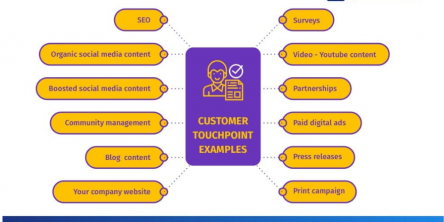
Learn how companies collect insights from every customer touchpoint to improve experiences, personalize marketing, and drive smarter decisions.

Corporate chef services have moved well beyond the occasional catered lunch or holiday party. Companies of all sizes are rethinking what workplace dining actually means
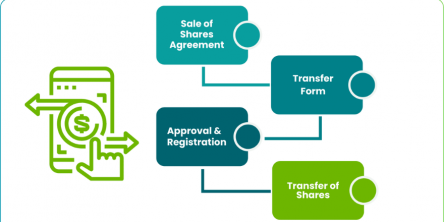
Learn five key points about company shares, including ownership rights, share transfers, new share issues, share classes and company record keeping basics.

A policy regarding vaping that is only written down and not put into action does not really safeguard anyone. If the language in your clean-air policy is not reinforced with tangible resources and training for managers

In pharmaceutical manufacturing, every second on the production line carries a cost, and every miscount carries a risk.

Commercial construction projects require careful planning, dependable materials, and strong supplier relationships.

Property owners planning excavation, construction, landscaping, or maintenance projects often understand the importance of locating underground utilities before digging.

Computer vision is no longer limited to research labs and experimental prototypes.

Only a very few entrepreneurs can claim to control the whole of their companies in about ten minutes each day, and the secret is far from being about productivity hacks.