

How Sales Tax Can Change Your Buying Decisions

Most people glance at a price tag, do a quick mental math, and decide whether something is worth buying. But that sticker price rarely tells the whole story. The moment sales tax gets added at checkout, the real cost of an item shifts, sometimes just a little, sometimes enough to make you put it back on the shelf.
Sales tax feels like a small detail, but it quietly shapes how much we spend, where we shop, and even what we choose to buy in the first place. Once you start paying attention to it, you notice how much influence this one line item actually has over everyday decisions.
The Psychology Behind Price Tags and Hidden Costs
Human brains are wired to anchor on the first number we see. When a product is marked at $49.99, that number becomes our reference point, even though the amount we actually pay at checkout is higher once tax is applied. This is sometimes called "sticker shock in reverse," where the final total feels like an unwelcome surprise rather than something we planned for.
Retailers understand this pattern well. That's part of why prices are often listed without tax in the United States, unlike many other countries where tax-inclusive pricing is standard. The gap between what you expect to pay and what you actually pay can nudge you toward reconsidering a purchase, especially on bigger-ticket items.
Why Sales Tax Rates Vary So Much
One thing that surprises a lot of shoppers is just how differently sales tax gets applied depending on where you live or where you're buying from. Rates can shift between states, counties, and even cities. Some states charge no sales tax at all on general purchases, while others stack state, county, and municipal taxes together, pushing the combined rate well above 9 or 10 percent.
This inconsistency means the same product can cost noticeably different amounts depending on your zip code. A television priced at $800 might cost you an extra $70 or more in tax in one location, and almost nothing in another. That difference is often enough to change buying behavior entirely, whether that means driving to a neighboring county, shopping online, or simply waiting for a better deal.
How Sales Tax Influences Big Purchases
The bigger the price tag, the more sales tax matters. A few percentage points on a $10 item barely registers, but that same rate on a $2,000 appliance or a $30,000 car adds up to real money.
This is why many buyers of large-ticket items research tax implications before committing. Car buyers, for instance, often compare how vehicle sales tax is calculated across states, since some places tax the full purchase price while others allow trade-in credits that lower the taxable amount. Furniture, electronics, and home appliance purchases follow a similar pattern, where shoppers time their buying around lower-tax periods or seek out locations with more favorable rates.
Tax Holidays and the Timing of Purchases
Many states offer temporary sales tax holidays, often tied to back-to-school shopping, emergency preparedness, or energy-efficient appliances. During these windows, certain categories of goods become tax-free for a short stretch of time, and shoppers respond accordingly.
Retailers see measurable spikes in sales during these periods because buyers deliberately delay non-urgent purchases to take advantage of the savings. This is a clear example of how sales tax doesn't just affect whether someone buys something, but exactly when they choose to buy it.
Online Shopping and Cross-Border Buying Habits
The rise of online retail changed the sales tax conversation significantly. For years, many online purchases avoided sales tax entirely if the seller didn't have a physical presence in the buyer's state. That changed after the 2018 South Dakota v. Wayfair Supreme Court decision, which allowed states to require tax collection from out-of-state sellers based on sales volume, not just physical location.
Even so, shoppers still compare tax burdens across sellers and locations. Some people cross state lines to shop where rates are lower, particularly for high-value items like electronics, jewelry, or vehicles. Others factor shipping origin and destination taxes into their online cart decisions, especially for bulk purchases where the tax difference becomes substantial.
Budgeting Around Sales Tax
For budget-conscious shoppers, sales tax isn't just a checkout surprise. It's something to plan around. This is especially true for people managing tight monthly budgets, business owners tracking deductible expenses, or anyone making a large purchase where a few percentage points could mean hundreds of dollars.
Knowing the exact tax rate for your location and calculating it before you shop rather than after gives you a clearer picture of what you'll actually spend. A tool like a SalesTaxCalculator makes this simple, letting you plug in a price and location to see the real total before you ever reach the register.
How Businesses Use Sales Tax to Influence Buying Behavior
It's not just consumers who respond to sales tax; businesses shape their pricing and promotions around it too. Some retailers advertise "we pay the tax" promotions during slow sales periods, essentially discounting the price by the tax rate to draw in buyers who are on the fence.
Other businesses choose to locate stores strategically near state or county lines specifically to capture customers looking for lower combined tax rates. This kind of tax-driven positioning shows just how much weight this single cost factor carries in both consumer psychology and business strategy.
Practical Ways to Account for Sales Tax Before You Buy
A few habits can help you avoid tax-related surprises and make more informed buying decisions:
- Check your local combined sales tax rate before making large purchases, since state totals often don't include county or city additions
- Calculate the full out-the-door price, not just the listed price, before comparing options between stores
- Look into upcoming tax holidays if your purchase can wait a few weeks
- Compare tax rates if you're buying near a state or county border
- Factor tax into online shopping comparisons, since rates can differ based on shipping destination
Small adjustments like these can lead to meaningful savings over time, particularly for anyone making frequent big-ticket purchases.
Final Thoughts
Sales tax might seem like a minor detail sitting quietly at the bottom of a receipt, but it plays a real role in how, when, and where people spend their money. From influencing the timing of big purchases to shaping where businesses set up shop, this often-overlooked cost has more impact on consumer behavior than most people realize.
The next time you're weighing a purchase, especially a larger one, it's worth taking a minute to calculate the real total before you decide. That small step can save you money and help you shop with a clearer picture of what you're actually paying.
Similar Articles
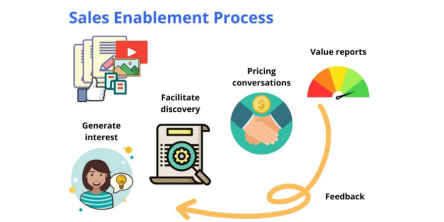
Discover 6 tips to align direct and indirect sales teams using a sales enablement platform to boost collaboration, visibility, and revenue.

Sales deals stalling while teams wait on approvals, answers, or documents? This guide shows how instant internal collaboration removes bottlenecks and helps sales teams shorten the sales cycle. Learn how tools like shared deal rooms, AI meeting transcripts, fast approvals, and centralized sales content keep deals moving from pitch to close faster.

If you’re an online seller, you already know the hustle — uploading products, writing descriptions, fixing images, and praying the “Add to Cart” button gets some love

Any interior area, whether a workplace, a restaurant, a hotel, or other business establishment, needs furniture.
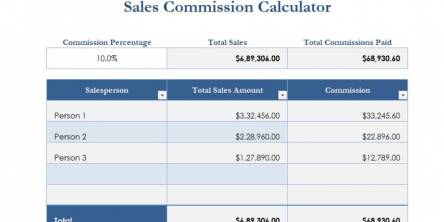
Discover why a top sales commission calculator is key to accurately tracking your income, boosting performance, and staying on top of your sales goals.

In the vibrant world of fintech, where innovation meets finance, the stakes for maintaining unshakable security and fostering enduring trust are sky-high. Here, transaction monitoring emerges as the unsung hero, the silent sentinel in the chaotic digital landscape

Your sales team needs the right sales tools and ready to boost customer conversion rates. These tools will help you target the right customers, build trust with them, and analyze their interactions with your website.
Sales reps have non-stop days and they know how to work hard. But to increase their selling time and revenue, sales reps must take control of their days and plan their activities carefully. A daily schedule for sales rep allows them to be as productive as possible to accomplish their goals.

Account based sales strategy is not a new concept and has been in the marketing world for years but today many business leaders and marketing experts are giving it a second look.