

Quantum Key Distribution Explained for Enterprise Security Architects
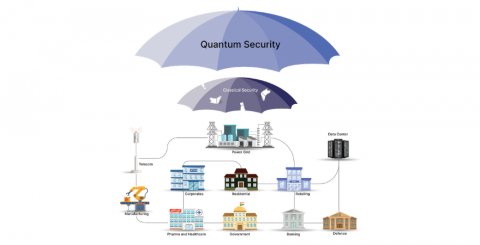
Many security architects approach quantum key distribution with the wrong mental model. They picture it as a drop-in replacement for the encryption already running across their environment, something that could eventually swap out TLS the same way TLS once replaced earlier protocols.
That framing leads to confused roadmap conversations. QKD is not a general-purpose encryption upgrade. It is a narrow, physically constrained tool for generating keys on specific high-value links, and understanding that distinction early keeps roadmap decisions aligned.
What Architects Need to Know Before Evaluating QKD
Before committing budget or planning cycles to a QKD pilot, architects need a clear picture of what the technology actually does and does not solve. A solid technical primer on quantum key distribution for security architects is a useful starting point, since it lays out the basic physics without assuming a background in quantum mechanics.
The most important reframe is this: QKD addresses one specific link in the cryptographic chain, the moment a shared key is established between two parties. It does not encrypt bulk data, authenticate users, or manage certificates. Every other layer of the security architecture stays exactly where it is.
Where QKD Sits in the Security Stack
Most enterprise architectures already separate key establishment from data encryption, even if the distinction is not always obvious in day-to-day operations. TLS handshakes negotiate a session key, which then protects the actual application traffic using symmetric algorithms, including AES. QKD slots into that same conceptual position, replacing or supplementing the key establishment step while leaving the symmetric encryption layer untouched.
This matters for integration planning. A QKD deployment does not require ripping out existing PKI, certificate authorities, or identity systems. Those continue handling authentication and authorization exactly as before. What changes is narrower: the mechanism used to agree on an agreed secret for a specific point-to-point link.
Architects should also resist the temptation to treat QKD and post-quantum cryptography as competing options on a single roadmap. They solve the same underlying problem through entirely different mechanisms, and many organizations end up planning for both, applying QKD to a small number of extremely high-value physical links while rolling out algorithm-based post-quantum cryptography much more broadly across software and cloud systems that cannot support dedicated optical hardware.
Crypto agility becomes a useful design principle here. Building systems that can swap key establishment mechanisms without major rework pays off whether the eventual choice is QKD, a post-quantum algorithm, or some hybrid combination of the two, and it keeps roadmap decisions flexible as the technology landscape changes.
Threat Modeling for Long-Term Data Protection
The case for QKD only makes sense once an organization has identified which data needs protection against future decryption attempts, not just against today's attackers. This requires a different kind of threat model than most architects are used to building, one centered on data lifespan rather than immediate exposure.
A practical exercise here is to map out which systems handle data that must remain confidential for 10, 20, or more years. Intellectual property filings, long-term contracts, and certain categories of personal data often qualify, whereas transactional data that quickly loses value typically does not justify the cost of a dedicated QKD link.
This mapping exercise tends to produce a short list, often just a handful of links connecting specific data centers or facilities. That short list is the realistic starting point for any QKD evaluation, and it should shape roadmap priorities before any enterprise-wide rollout is considered.
Stakeholders outside the security team often need convincing on this point. Business units accustomed to thinking about encryption as a uniform, organization-wide control can find it counterintuitive that a security investment would deliberately apply only to a handful of connections, making a clear, data-driven threat model essential for getting the initiative funded in the first place.
Integration Obstacles to Plan For
Once a short list of candidate links is in place, the harder architectural questions begin. QKD requires dedicated fiber or carefully engineered free-space connections, which means the existing network topology often needs to be reviewed before deployment is even feasible. Shared or leased fiber paths often cannot support the dedicated optical channel required by QKD networks.
Vendor research from major technology companies offers useful context here, even when their focus is primarily on algorithm-based approaches rather than QKD itself. An enterprise post-quantum research overview from one such effort illustrates the kind of hybrid thinking, combining classical and new cryptographic approaches during a transition period, that architects should expect to apply to QKD integration as well.
Key management systems present another integration point that is easy to underestimate. The keys QKD produces still need to flow into whatever symmetric encryption infrastructure protects the actual data, which means existing key management platforms need to support ingesting externally generated keys rather than only generating their own.
Tooling and Vendor Evaluation
Architects evaluating this space benefit from hands-on familiarity with the wider quantum-safe cryptography ecosystem, even when their immediate focus is QKD. Open-source projects provide a low-risk way to build familiarity before engaging with hardware vendors. An open source crypto library maintained by the Open Quantum Safe project lets teams experiment with quantum-resistant algorithms and protocol integrations in a lab environment, building internal expertise that pays off regardless of which specific technology path the organization ultimately chooses.
Vendor evaluation for QKD hardware itself requires different questions than most architects are used to asking. Key generation rate, supported distance, and compatibility to existing network management tooling all matter, but so does the vendor's roadmap for addressing the trusted relay problem on links that exceed direct transmission distance.
Where QKD Belongs on the Security Roadmap
For most enterprises, QKD is best treated as a targeted line item rather than a headline initiative. It earns its place on a small number of links carrying data with genuinely long confidentiality requirements, sitting alongside, not instead of, the wider post-quantum cryptography work already underway across most security architecture roadmaps.
Architects who frame QKD this way, as one specific tool addressing one specific risk, tend to have much smoother conversations with leadership than those who present it as a wholesale encryption upgrade. The narrower the pitch, the easier it becomes to defend the investment on its actual merits and roadmap fit.
Frequently Asked Questions
Does QKD replace existing PKI infrastructure?
No. PKI continues to handle authentication and certificate management. QKD only changes how a symmetric key is established for a specific link, leaving identity and certificate systems fully in place.
Can QKD integrate with our existing VPN or TLS infrastructure?
In limited ways. QKD-derived keys can feed into symmetric encryption used by VPN tunnels on supported links, but this typically requires specialized hardware and vendor support rather than a standard software update.
What skills does my team need before evaluating a QKD vendor?
A working understanding of key management architecture and fiber network topology matters more than deep knowledge of quantum physics, along with familiarity with the wider post-quantum cryptography landscape for context.
Similar Articles

Learn what companies should consider when reviewing digital security: risk assessment, compliance, staff training, and monitoring best practices.

Free training has a reputation problem, and it is mostly deserved. Much of what circulates online is a recorded playlist, a login page, and a certificate nobody reads. So scepticism is a reasonable first reaction, followed by a specific question: what is being taught, and what is the catch?

These days, with everything so connected online, privacy on the internet is not really optional anymore. It’s something people genuinely need. Users deal with risks all the time, from data leaks and identity theft to creepy tracking and blocked content based on location.

Here's something that happens constantly: millions of people tap or click links every single day without a second thought. And honestly?

Practical cybersecurity upgrades small businesses should make in 2025 to reduce risk, prevent breaches, protect data, and strengthen defenses without large budgets.

Discover key strategies, tools, and best practices in this ultimate guide to pentesting cloud services for stronger, smarter, and more robust security.

With the age of digitalization at its peak, cyber threats are rising at an exponential rate. Organizations, small or large, from any industry, become vulnerable to cybercriminals who seek to steal information, disrupt operations, or demand ransom.

Implement virtual CISO services in 13 steps to enhance cybersecurity, manage risks, ensure compliance, and protect your business from evolving digital threats.

Protect your small business with easy cybersecurity tips. Learn to implement strong passwords, MFA, software updates, and more to stay secure from online threats.