

When Private Utility Locates Are Needed?
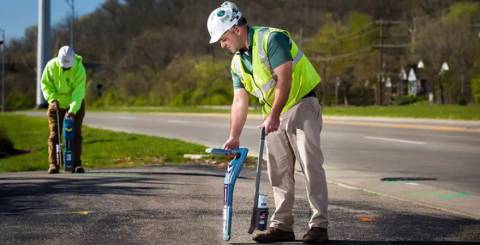
Property owners planning excavation, construction, landscaping, or maintenance projects often understand the importance of locating underground utilities before digging. However, many are surprised to learn that standard public utility locate programs do not identify every buried service on a property.
This misunderstanding can create significant risks during excavation. Damaging unmarked underground infrastructure can result in costly repairs, project delays, and safety hazards. Understanding when private utility locating is required helps property owners make informed decisions before any ground disturbance begins.
Understanding the Difference Between Public and Private Utilities
Public utility locate programs are designed to identify infrastructure owned and maintained by utility providers. These services may include public gas lines, electrical distribution systems, telecommunications networks, and municipal water infrastructure.
While these locates are an important part of excavation preparation, they often stop at the utility ownership boundary. Beyond that point, responsibility for underground infrastructure frequently shifts to the property owner.
Private underground infrastructure can include electrical feeds running from a building to detached structures, private water lines, irrigation systems, septic connections, outdoor lighting circuits, communication lines, and other buried services installed on private property.
Because these assets are not typically covered under public locating programs, they may remain unidentified unless additional locating services are requested.
Common Situations That Require Private Utility Locating
Many excavation projects involve areas where private infrastructure is likely to exist. Commercial properties, industrial facilities, residential developments, and institutional sites often contain extensive underground systems that are not part of public utility networks.
Property owners should consider private utility locating before:
-
Installing fences, decks, pools, or retaining walls
-
Performing landscaping or tree planting projects
-
Excavating for additions or new structures
-
Upgrading drainage systems
-
Conducting parking lot or roadway improvements
-
Installing signs, lighting, or communication infrastructure
-
Repairing underground services on private property
Older properties can present additional challenges because underground records may be incomplete or outdated. In these situations, buried utility detection becomes especially valuable for identifying infrastructure that may not appear on available site plans.
What Public Locate Programs May Not Show
One of the most common misconceptions among property owners is that receiving public utility locates means all underground infrastructure has been identified.
In reality, many privately owned services remain outside the scope of public locate programs.
Examples may include:
-
Electrical lines serving detached garages or outbuildings
-
Private water and sewer laterals
-
Irrigation systems
-
Parking lot lighting circuits
-
Security and communication cabling
-
Private gas lines
-
Industrial process utilities
-
Site-specific infrastructure installed after original construction
For this reason, many contractors and property managers supplement public locates with private utility locates services when excavation activities will occur within privately owned areas.
Companies such as Complete Locating help property owners identify private underground infrastructure before construction or digging begins, reducing uncertainty and supporting safer project planning.
Supporting Excavation Safety and Risk Management
Excavation safety depends heavily on knowing what lies below the surface. Even relatively minor digging projects can create significant consequences when buried infrastructure is damaged.
A severed electrical line may create immediate safety hazards. Damaged communication systems can disrupt business operations. Striking a private water service can lead to flooding, property damage, and repair expenses.
Private utility locating provides additional visibility that allows contractors and property owners to plan excavation activities with greater confidence. By identifying underground infrastructure in advance, project teams can adjust excavation methods, establish safe work zones, and avoid unnecessary disruptions.
This proactive approach also supports utility damage prevention by reducing the likelihood of unexpected encounters during construction.
The Value of Underground Utility Mapping
In addition to helping with individual excavation projects, underground utility mapping can provide long-term benefits for property owners.
Accurate records of buried infrastructure make future maintenance, renovations, and site improvements easier to manage. Facility managers can use mapping information to support ongoing operations, while developers can better assess site conditions before planning new construction.
For commercial and industrial properties, having reliable underground utility information often improves project efficiency and reduces uncertainty during future development activities.
As underground infrastructure becomes more complex, maintaining accurate records becomes increasingly important for responsible property management.
Making Private Locates Part of Project Planning
Property owners have a responsibility to understand the limitations of public utility locate programs before excavation begins. While public locates remain an essential first step, they may not provide a complete picture of underground conditions on private property.
Incorporating private utility locating into project planning helps close those information gaps and provides a more comprehensive understanding of buried infrastructure. Whether the project involves landscaping, facility upgrades, new construction, or routine maintenance, identifying private underground services beforehand can help avoid costly mistakes.
For property owners, taking the time to verify underground conditions before digging is one of the most effective ways to improve excavation safety, support project efficiency, and protect valuable infrastructure from unnecessary damage.
Similar Articles

Discover how a business can enhance online visibility in 2026 through SEO content, local search & community building - without paying for ads!

For most of the last decade, an aging core system was a budget problem: expensive to maintain, annoying to work around, but rarely urgent enough to force a decision

For most businesses in 2026, Action Packaging takes the top spot. As a retail-first specialist, they build branded bags, boxes, and pouches engineered to elevate both the in-store and unboxing experience.

Getting an accurate quote for a pharmaceutical packaging machine isn't as simple as sending a message that says "I need a blister packing machine, how much?" Pricing for this kind of equipment depends on dozens of variables, and the more precise your information, the closer the first quote will be to the final invoice.

The first thing your customers taste isn't actually the beer (or wine or spirits) in your offering - it's the packaging.

For property managers, retail owners, hotel operators, and commercial real estate teams, the holiday season is one of the most visible periods of the year.

Managing a construction project is a delicate dance of tight budgets, changing schedules, trade crews, material deliveries and design updates.
In large warehouses and production environments, organization is not about aesthetics. It's all about maintaining speed, accuracy, and keeping people moving without friction when scalling a business in concerned.

Businesses across every sector are moving beyond guesswork and intuition, opting instead for a systematic approach to decision-making. Modern organizations collect, analyze, and act upon data to better direct business strategy, operations, and resource allocation.