

How Foot Zoning Therapy Can Improve Your Overall Health
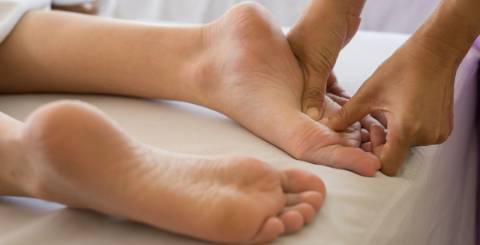
In the pursuit of holistic wellness, alternative therapies have become increasingly popular, offering ways to improve physical and mental health without invasive treatments. One such method gaining recognition is foot zoning therapy, a practice that focuses on balancing the body through targeted pressure points on the feet. Unlike traditional massage or reflexology, foot zoning therapy takes a systematic approach to restore energy flow, promote relaxation, and support the body’s natural healing processes. This guide explores how foot zoning therapy can enhance overall health and well-being.
Understanding Foot Zoning Therapy
What Is Foot Zoning Therapy?
Foot zoning therapy is a holistic technique that divides the body into zones and stimulates corresponding points on the feet. By applying gentle pressure to specific areas, practitioners aim to influence organ function, improve circulation, and release tension. Each zone on the foot is linked to particular body parts, meaning that proper stimulation can encourage balance and wellness throughout the body.
Origins and Principles
The practice is rooted in the idea that the feet reflect the body’s internal systems. By observing color, temperature, and tension in the feet, therapists can assess areas of imbalance. Foot zoning therapy emphasizes the flow of energy and circulation, intending to support natural healing without the use of medication or invasive procedures.
Benefits of Foot Zoning Therapy
Enhanced Circulation
Stimulating specific zones on the feet encourages blood flow to corresponding areas of the body. Improved circulation helps deliver oxygen and nutrients to tissues, supporting cellular repair and overall energy levels. People with circulation issues or chronic fatigue may notice a positive difference after regular sessions.
Stress Reduction and Relaxation
One of the most immediate effects of foot zoning therapy is a deep sense of relaxation. Pressure point stimulation helps activate the parasympathetic nervous system, reducing stress hormones and promoting a calm, balanced state. Reduced stress can lead to improved sleep, better mental clarity, and increased emotional resilience.
Pain Relief and Muscle Relaxation
Foot zoning therapy can relieve tension in muscles and joints. By addressing specific zones linked to areas of discomfort, the therapy helps reduce pain caused by tight muscles, overexertion, or chronic conditions. Many individuals report relief from headaches, back pain, and joint stiffness after consistent treatments.
Detoxification Support
By improving circulation and lymphatic flow, foot zoning therapy may assist in the body’s natural detoxification processes. Stimulating certain zones encourages the removal of metabolic waste and toxins, supporting the overall functioning of organs like the liver and kidneys.
Boosted Immune Function
Regular foot zoning sessions can help balance the body’s systems, potentially enhancing immune function. By promoting better circulation, reducing stress, and supporting organ health, foot zoning therapy contributes to the body’s ability to fend off infections and maintain long-term wellness.
How Foot Zoning Therapy Works
Zone Mapping
Foot zoning therapy divides the body into ten vertical zones, running from head to toe. Each zone corresponds to different organs, systems, and areas of the body. By manipulating these zones on the feet, the therapist aims to affect the corresponding parts, creating harmony and balance throughout the body.
Session Structure
A typical session begins with an assessment of the feet, observing shape, color, temperature, and tension. The practitioner then applies gentle pressure to specific zones, using techniques designed to stimulate circulation, release energy blockages, and encourage relaxation. Sessions usually last between 30 and 60 minutes, depending on the client’s needs and health goals.
Frequency and Maintenance
The benefits of foot zoning therapy increase with consistency. While some individuals may notice improvements after one session, regular treatments over weeks or months can enhance energy flow, reduce chronic stress, and support lasting health improvements. Practitioners often recommend a personalized schedule based on individual health concerns and lifestyle.
Who Can Benefit from Foot Zoning Therapy?
Individuals Experiencing Stress
People experiencing high stress levels or anxiety can benefit from the relaxation effects of foot zoning therapy. The gentle, systematic pressure helps activate the body’s relaxation response, reducing tension and promoting mental clarity.
Those with Circulation or Detoxification Needs
Individuals with poor circulation or difficulty eliminating toxins may find foot zoning therapy helpful. By stimulating blood flow and lymphatic drainage, the therapy supports cardiovascular health and detoxification processes.
People with Chronic Pain or Muscle Tension
Foot zoning therapy is particularly useful for those with recurring muscle tension, back pain, or joint discomfort. By addressing zones connected to affected areas, it can help release tight muscles and reduce pain naturally.
Anyone Seeking Holistic Wellness
Even without specific health concerns, foot zoning therapy promotes overall wellness. It helps balance energy, improve relaxation, and support the body’s natural systems, making it a valuable addition to a holistic health routine.
Complementary Practices with Foot Zoning Therapy
Nutrition and Hydration
Supporting foot zoning therapy with proper nutrition and hydration enhances results. Adequate water intake aids circulation and detoxification, while a balanced diet supports organ function and overall vitality.
Exercise and Movement
Combining foot zoning therapy with regular exercise helps maintain circulation, flexibility, and energy levels. Movement complements the therapy’s benefits, supporting stronger muscles and improved overall health.
Mindfulness and Meditation
Integrating mindfulness practices such as meditation or deep breathing during or after sessions can amplify relaxation and stress reduction. These practices encourage mental clarity and emotional balance, enhancing the therapy’s holistic effects.
Other Holistic Therapies
Foot zoning therapy can be used alongside other holistic therapies like reflexology, acupuncture, or massage. Combining therapies may provide enhanced benefits, addressing multiple aspects of physical and mental health simultaneously.
What to Expect After a Session
Immediate Effects
Many individuals feel a deep sense of relaxation, reduced tension, and lighter legs or feet after a session. Some may experience increased energy, improved mood, or reduced pain in targeted areas.
Long-Term Benefits
With regular practice, foot zoning therapy can contribute to improved circulation, reduced chronic stress, better sleep, enhanced immune function, and balanced organ systems. Clients often report feeling more energetic and resilient over time.
Tracking Progress
Keeping a journal of symptoms, energy levels, and overall well-being can help track the therapy’s impact. Discussing progress with the practitioner allows adjustments to focus on areas that need more attention.
Conclusion
Foot zoning therapy offers a natural, holistic approach to improving overall health and wellness. By stimulating specific zones on the feet, it supports circulation, reduces stress, relieves muscle tension, promotes detoxification, and enhances immune function. Whether addressing chronic pain, high stress, or general wellness, this therapy provides a gentle, effective method to support the body’s natural balance. Integrating foot zoning therapy into a consistent wellness routine, along with complementary practices like proper nutrition, exercise, and mindfulness, can help individuals achieve long-term health benefits. For those seeking a holistic, non-invasive approach to well-being, foot zoning therapy presents a promising path toward greater physical and mental harmony.
Similar Articles

A beautiful building tells you nothing about recovery outcomes. When you tour a Private Luxury Rehab in Los Angeles, comfort is often presented before clinical care, and families may pay a deposit before asking a single hard question.

Most advice about emotions assumes the hard part is identifying them.

Healthcare is built around people, but providing good care also depends on how well an organization manages the many tasks happening around each patient.

We live in an era where restorative rest is increasingly difficult to achieve. The relentless pace of contemporary work environments leaves little room for mental decompression.

Look up almost any doctor before an appointment, which is what the majority of patients now do, a
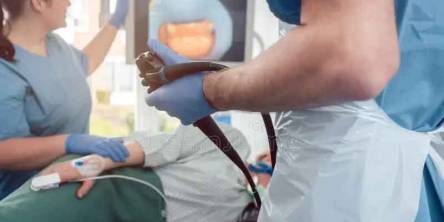
Endoscopy is a minimally invasive medical procedure that enables healthcare professionals to examine the internal organs and body cavities using a thin, flexible instrument called an endoscope.
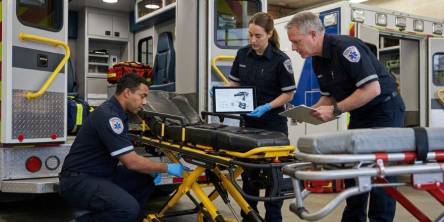
Learn how to choose the right ambulance stretcher for your fleet in 2026 by comparing safety, durability, mobility, comfort, and key features.

Look at how people around you actually watch things. Captions on. Not in a noisy train carriage, not in a shared flat at midnight, but at home, alone, on a good television, by people whose hearing is fine.

Finding the right medical daycare involves more than choosing whichever center is closest to home.