

Taking Better Care of Your Car: A Complete Guide to Longevity, Safety, and Performance
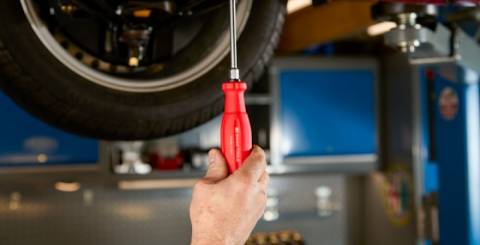
Owning a car comes with more responsibility than simply filling the tank and driving from point A to point B. Proper car care is essential not only for extending the lifespan of your vehicle but also for ensuring safety, improving performance, and saving money in the long run. Whether you’re a new driver or someone who has owned vehicles for years, developing better habits around car maintenance can make a significant difference. This guide explores practical, effective ways to take better care of your car.
1. Follow a Regular Maintenance Schedule
One of the most important aspects of car care is consistency. Every vehicle comes with a manufacturer-recommended maintenance schedule outlined in the owner’s manual. This schedule includes oil changes, tire rotations, brake inspections, fluid checks, and more. Ignoring these intervals can lead to bigger and more expensive problems later. For example, skipping oil changes may cause engine wear, while neglecting brake inspections can compromise safety. Staying on schedule helps detect issues early and keeps your car running efficiently. A good tip is to set reminders on your phone or calendar for key maintenance tasks. Some modern vehicles even notify you when service is due.
2. Check and Change Engine Oil Regularly
Engine oil is the lifeblood of your car. It lubricates moving parts, reduces friction, and prevents overheating. Over time, oil becomes dirty and less effective, which can lead to engine damage. Check your oil level at least once a month and before long trips. If it appears dark or gritty, it’s time for a change. Most cars require an oil change every 5,000 to 10,000 kilometers, depending on the type of oil and driving conditions. Using the correct oil type specified in your manual is equally important. Investing in good-quality oil can significantly improve engine performance and longevity.
3. Maintain Proper Tire Care
Your tires are the only part of the car that touches the road, making them crucial for safety and efficiency. Poor tire maintenance can lead to reduced fuel economy, uneven wear, and even accidents. Check tire pressure at least once a month and keep it at the recommended level. Underinflated tires wear out faster and reduce fuel efficiency, while overinflated tires can affect handling. Additionally, rotate your tires every 8,000 to 10,000 kilometers to ensure even wear. Don’t forget to check tread depth—worn-out tires should be replaced promptly to maintain traction, especially in wet or icy conditions.
4. Keep Your Car Clean Inside and Out
Cleaning your car is not just about appearance—it also helps preserve its value. Dirt, grime, and road salt can damage paint and lead to rust over time. Wash your car regularly, especially during winter months when salt is commonly used on roads. Applying wax a few times a year adds a protective layer against environmental damage. Interior cleanliness is just as important. Vacuuming, wiping surfaces, and removing trash prevents wear and keeps your driving environment pleasant. It can also help maintain resale value if you decide to sell the car in the future.
Read more: How to Choose a Safe Rally Car
5. Monitor Fluid Levels
Cars rely on various fluids to function properly, including coolant, brake fluid, transmission fluid, and windshield washer fluid. Low or contaminated fluids can cause serious mechanical issues. Make it a habit to check fluid levels regularly and top them up when needed. If you notice leaks or frequent drops in fluid levels, have your car inspected by a qualified mechanic. Coolant is especially important for preventing engine overheating, while brake fluid ensures proper braking performance. Neglecting these can lead to dangerous situations on the road.
6. Pay Attention to Warning Signs
Modern vehicles are equipped with dashboard warning lights that alert you to potential problems. Ignoring these warnings can turn minor issues into major repairs. If a warning light appears, consult your owner’s manual to understand what it means. Some issues, like low tire pressure, are easy to fix, while others may require immediate professional attention. Strange noises, unusual vibrations, or changes in performance are also signs that something may be wrong. Addressing these early can save both time and money.
7. Drive Responsibly
The way you drive has a direct impact on your car’s condition. Aggressive driving—such as rapid acceleration, hard braking, and sharp turns—puts extra stress on the engine, brakes, and tires. Smooth and steady driving not only improves fuel efficiency but also reduces wear and tear. Avoid overloading your car, as carrying excessive weight can strain the suspension and engine. Short trips can also be hard on your vehicle, especially in cold weather, as the engine may not reach optimal operating temperature. When possible, combine errands into a single trip.
8. Protect Your Car from the Elements
Weather conditions can significantly affect your car’s condition. Extreme heat can damage the battery and fade paint, while cold weather can affect tire pressure and fluid performance. Whenever possible, park your car in a garage or shaded area. If a garage isn’t available, consider using a car cover to protect it from sun, rain, and snow. During winter, allow your car to warm up briefly before driving, and ensure your windshield is clear of ice and snow. In summer, check your cooling system to prevent overheating.
9. Maintain the Battery
A dead battery is one of the most common car issues, but it’s also one of the easiest to prevent. Check your battery regularly for corrosion on the terminals and ensure it is securely mounted. Most car batteries last between three to five years. If you notice slow engine starts or dim lights, it may be time for a replacement. Keeping your battery clean and ensuring all electrical components are turned off when the engine is not running can help extend its life.
10. Replace Filters as Needed
Your car has several filters, including air filters, oil filters, and cabin filters. These components keep contaminants out of critical systems. A clogged air filter can reduce engine efficiency and performance, while a dirty cabin filter affects air quality inside the vehicle. Check and replace filters according to your maintenance schedule. This simple step can improve both performance and comfort.
11. Don’t Ignore Brakes
Brakes are one of the most critical safety features of your car. If you hear squeaking, grinding, or feel vibrations when braking, have them checked immediately. Brake pads wear out over time and need to be replaced periodically. Ignoring worn brakes can damage other components, leading to more expensive repairs. Regular brake inspections ensure your car remains safe to drive in all conditions.
12. Keep Records of Maintenance
Maintaining a record of all services and repairs helps you stay organized and ensures nothing is overlooked. It also adds value when selling your car, as potential buyers can see that the vehicle has been well cared for. You can keep a physical logbook or use apps designed for tracking car maintenance. Taking better care of your car doesn’t require advanced mechanical knowledge—just consistency, awareness, and a proactive approach. By following a regular maintenance schedule, driving responsibly, and addressing issues early, you can extend your vehicle’s lifespan, improve safety, and save money. Think of your car as an investment. The effort you put into maintaining it today will pay off in reliability and performance for years to come. With these habits in place, you’ll not only enjoy a smoother driving experience but also avoid many common and costly problems. Ultimately, good car care is about respect—for your vehicle, your safety, and your wallet.
Similar Articles

Summer road trips are a cherished family tradition for millions of households. According to AAA's 2026 Consumer Pulse Survey, driving vacations make up 45 percent of all planned family travel itineraries

You do not need six figures in your bank account to park a car with supercar presence in your driveway.

Buying a used car can be an effective way to save money, but there are important checks to complete before making payment

Australians took a record-breaking 17.3 million domestic caravan and camping trips in 2025.

Considering Jeep mirrors for your build? I break down what to look for in aftermarket Jeep mirrors, how brands approaches design and functionality, and what I think drivers should weigh before buying.

The rugged landscapes of regional areas offer some of the most spectacular off-road driving experiences in the world.

Modern vehicle ownership involves much more than simply checking the oil and rotating the tyres.

Learn why getting pre-approved for car finance before visiting a dealership can simplify your vehicle purchase. Discover how pre-approval helps you understand your budget, plan repayments, shop with confidence, and make more informed financial decisions.
Learn how portable car air conditioners work, what features matter most, and why the BougeRV PC35 PRO is a popular choice for car camping, van life, and off-grid travel.