

8 Signs You Should See a Dentist

Teeth and gums form a complex system that functions daily and continuously. We often underestimate their importance until pain, sensitivity, or other unpleasant symptoms arise. While minor problems may seem treatable at home, any issue with oral hygiene requires the attention of a dentist. In this article, we have gathered eight signs that indicate you should see a dentist as soon as possible.
1. Toothache
Pain is the body's primary warning signal that something is wrong. Sometimes toothaches appear suddenly, but more often they develop gradually, initially as mild discomfort while chewing, then as a throbbing sensation, or as a reaction to hot or cold temperatures. A common cause of pain is tooth decay, which destroys the enamel and reaches sensitive tissue.
However, tooth decay is not the only cause of discomfort. Nerve inflammation, cracks in the enamel, and abscesses can also cause severe pain. Taking painkillers and waiting for the pain to go away on its own will only cause the condition to progress. The only right step is a visit to the dentist.
2. Bleeding gums
Many consider bleeding gums when brushing their teeth or biting into hard foods to be normal, but it's one of the first signs of gum disease. Most often, it's gingivitis, an inflammation caused by the buildup of plaque and bacteria. If left untreated, gingivitis can progress to periodontitis, a more severe condition that destroys the tissues that support the teeth. Periodontitis is one of the leading causes of tooth loss. If you notice blood in your mouth after brushing your teeth, it is recommended that you see your dentist for an examination and professional cleaning.
3. Bad breath
Bad breath, also called halitosis, isn't just caused by plaque buildup after a heavy meal. It often indicates a chronic infection, gum disease, or tooth decay where bacteria multiply. Sometimes halitosis is associated with tonsil stones, but more often it originates in the mouth. If you use chewing gum or breath spray, but the bad breath returns, the problem is more serious and requires professional treatment.
4. Tooth sensitivity
If you experience sharp pain when drinking cold water or biting into hot food, you likely suffer from tooth sensitivity. This can be caused by thinning enamel, receding gums, hidden cavities, or worn fillings. Some people endure these sensations for years, believing it to be an individual characteristic. In fact, tooth sensitivity is a symptom of underlying conditions that need to be diagnosed. Your dentist will perform an examination and may recommend remineralization treatment or bite correction.
5. Loose teeth
Healthy teeth are always stable and don’t loosen. If you notice that even one tooth is loose, you should see a dentist immediately. Loosening most commonly occurs with periodontitis, an inflammation of the supporting structures of the teeth, which destroys the gums. Sometimes it can also be caused by injury, improper bite, or bruxism (teeth grinding). In any case, loosening is a warning sign that should not be ignored, as it can lead to tooth loss.
6. Changes in the color or shape of the gums
The gums are an excellent indicator of oral hygiene. Normally, they are firm, pink, and smooth. If the gums become red, swollen, or bluish, or if they detach from the teeth, this indicates inflammation. Special attention should be paid to the formation of periodontal pockets, as bacteria accumulate there and exacerbate inflammation. Such changes require prompt diagnosis and treatment by a periodontist.
7. Clicking and popping sounds and pain in the temporomandibular joint (TMJ)
Unpleasant sounds in the TMJ, difficulty opening the mouth, and pain when chewing are signs of joint dysfunction. Stress, malocclusion, teeth grinding, or inflammation can be the cause. These conditions often lead to headaches, facial tension, and even neck pain. Many people don't connect these symptoms with dental care, but dentists treat such problems.
8. Chipped and cracked teeth
Even a small crack in the enamel can develop into a serious problem over time: The tooth becomes vulnerable, bacteria and food particles can penetrate, and the risk of nerve inflammation increases. Chipped teeth also alter your bite and can wear down neighboring teeth. If you notice roughness, a line in the enamel, or a small chip, it's important to have the tooth repaired as soon as possible.
Similar Articles
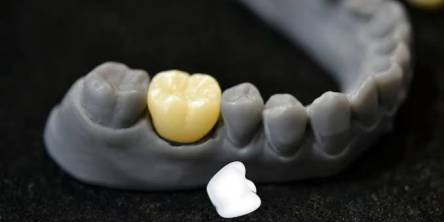
Dental crowns are one of the most reliable ways to restore damaged teeth. Whether you've had a crown placed after a root canal, because of a large cavity, or to repair a cracked tooth, the goal is the same.
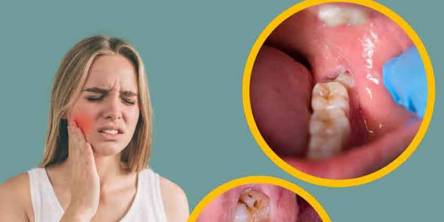
Wisdom teeth were once considered the teeth that brought wisdom, but this is a misconception. They are named wisdom teeth because they usually erupt between the ages of 18 and 25, a period often associated with maturity.
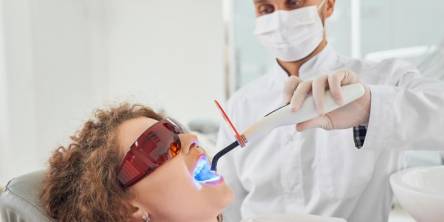
A bright, radiant smile is one of the first things people notice about you, and it can significantly boost your confidence in both personal and professional settings. Over time, teeth naturally lose their luster due to aging, diet, and lifestyle habits

Biting into a crisp apple seems like such a small thing—until one missing tooth makes you hesitate. Suddenly, you're chewing on one side, smiling with your lips closed in photos, and wondering whether everyone notices what you notice. Replacing a missing tooth isn't just about appearance
Gum disease is one of the leading causes of tooth loss in adults. Many people do not realize how serious it can become because the early symptoms often seem minor.
One day, you're biting into a sandwich without a second thought. Next, you're chewing on one side, avoiding mirrors, or wondering when smiling became something you overthink.
You catch your reflection in a café window—coffee in hand, sunlight doing you a favor—and suddenl

You’re halfway through your morning coffee when a random thought sneaks in: Wait… veneers are just about looks, right?

Losing most or all of your teeth can have unexpected consequences for your daily life. Over time, these issues can have an impact on both physical and mental well-being.