

8 Things Your First Pregnancy Check-Up Reveals About You

Your first pregnancy check-up is not just a medical appointment. It’s more like a polite but thorough body interview where your hormones, habits, and hidden stress levels all quietly raise their hands. Sure, you’re there to confirm the pregnancy—but your body has a lot more to say than a simple yes or no.
When the Appointment Becomes a Personality Test
By the time you sit on the exam chair, googling ‘best prenatal care’, your body is already sending signals worth decoding. Choosing the best prenatal care early often reflects how prepared you are to listen, adapt, and ask questions before problems show up. Funny enough, people who search for the best prenatal care tend to walk out calmer, not more anxious—which is saying something when you’ve just met the blood pressure cuff of doom.
1. How Your Body Handles Change
Your vitals, hormones, and early symptoms tell doctors how well your body adapts to sudden internal remodeling. Pregnancy reprograms everything—circulation, digestion, sleep, and even breathing. Whether your body rolls with it or throws a mild tantrum gives valuable insight into how support should be tailored for you.
2. Your Stress Levels Don’t Lie, Even If You Do
You may say you’re “fine,” but your blood pressure, heart rate, and muscle tension might disagree. Pregnancy exams are very good at exposing bottled-up stress you didn’t realize you were carrying.
This isn’t judgment—it’s guidance. Stress awareness early means better support, healthier coping tools, and fewer surprises later.
3. Your Relationship with Routine or Lack of One
Your doctor quickly learns how consistent your sleep, hydration, nutrition, and supplements really are. Skipping meals, forgetting vitamins, or living on caffeine suddenly has receipts.
The goal isn’t perfection—it’s patterns. Knowing your habits helps shape realistic recommendations you’ll actually follow.
4. Your Pain Tolerance and Body Awareness
Do you rush to report every twinge or ignore everything until it’s dramatic? Early exams reveal how you perceive discomfort and whether you’re tuned in—or disconnected—from physical signals.
That awareness matters later when interpreting normal pregnancy sensations versus warning signs.
5. Your Immune System’s Personality
Bloodwork and history paint a picture of immune resilience. Some bodies overreact; others stay quiet. Past infections, inflammation markers, and autoimmune tendencies often show up early.
This helps guide prevention strategies long before sniffles or complications appear.
6. Your Nutrition Reality, Not the Instagram Version
Iron levels, vitamins, hydration markers—these numbers don’t fall for smoothies and good intentions. Early testing reveals gaps you didn’t know existed.
The good news? Fixing them early is one of the easiest pregnancy wins available.
7. Your Emotional Baseline Before Hormones Go Wild
Anxiety, mood swings, or emotional flatness can show up surprisingly early. This check-in isn’t about labels—it’s about awareness.
Knowing your mental baseline allows proactive care instead of reactive scrambling later on. It also gives your provider a clearer picture of what support or resources might be needed as hormones shift. Catching patterns early can prevent small worries from snowballing into bigger stressors down the line.
8. How Comfortable You Are Advocating for Yourself
Do you ask questions or nod politely while panicking internally? Your first visit reveals how confident you feel speaking up about your body.
Learning to advocate early pays off throughout pregnancy, labor, and postpartum care.
Why This Visit Matters More Than You Think
Your first pregnancy check-up isn’t a pass-or-fail test. It’s a roadmap. It shows where you’re thriving, where support helps most, and how to personalize care around you, not a generic checklist.
Pregnancy isn’t just growing a baby—it’s meeting a new version of yourself. And that introduction starts long before the bump shows up.
Similar Articles

Menstrual pain, also known as dysmenorrhea, is a common problem that many women face. Some experience only mild pain, while for others it is so severe that it interferes with work, school, and daily life.

Moving through menopause stages brings big changes to your body. Old routines might not help with weight or energy as they did before.
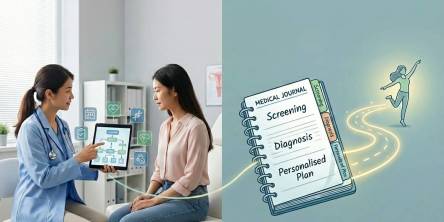
Screening can sound like a box-ticking exercise: a test, a result, a “see you next year.” In reality, good gynaecological screening is less about chasing abnormalities and more about building a clearer picture of you

Though we often associate breast growth with puberty and the teenage years, it is truly a lifetime struggle for women. Breast growth with age begins in the preteen years and continues throughout life.

You've probably heard the phrase "getting your tubes tied," if not "tubal ligation" (or "tubectomy")

Menstruation is a natural process, but for many women, it becomes a real challenge due to lower abdominal pain. Dysmenorrhea is a condition in which menstruation is accompanied by severe pain.

When it comes to breast reconstruction, misinformation spreads faster than a Wi-Fi signal at a coffee shop.

Choosing the right tampon is important for both comfort and health. With more women seeking eco-friendly products free from harmful chemicals, organic tampons have become a popular option. In this article, you will learn the eight essential tips provided to help you make an informed choice when buying organic tampons in retail stores.

If you have hip discomfort during perimenopause or beyond menopause, there may be a relationship. Reduced estrogen levels might raise your chance of getting gluteal tendinopathy. They may also contribute to osteoarthritis, which can damage several joints, including the hips.