

Breast Reduction and Menopause - What You Need to Know
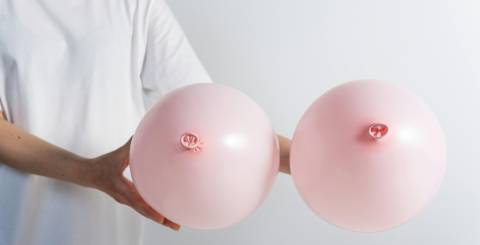
Though we often associate breast growth with puberty and the teenage years, it is truly a lifetime struggle for women. Breast growth with age begins in the preteen years and continues throughout life.
Women's breast tissue changes as they age, not just in size and appearance. Hormonal changes and shifts during menopause can affect breast size and shape, causing pain, other health difficulties, and self-consciousness.
How Do Breasts Change With Age?
As women age, their bodies alter in a variety of ways. Many of these changes are driven mostly by hormonal levels, which fluctuate with age and can impact breast form and size. These changes cause their breasts to grow less thick over time, as hormonal shifts lessen breast tissue firmness, which is replaced by more porous fatty tissue. This can impact both size and stiffness.
Along with the shift in tissue density, the skin's suppleness decreases over time. The loss of this characteristic adds to drooping, which is a typical issue among elderly women. This natural process can radically change the look of the breasts.
Key changes in aging breasts are:
- Decreased tissue density;
- Increase in fat tissue;
- Reduced skin elasticity.
Common Concerns For Older Women's Breasts
Aging raises various issues about breast health. Sagging caused by decreased skin elasticity and the loss of supporting connective tissues can cause a variety of health and cosmetic problems, lowering quality of life and self-esteem.
Large breasts can cause severe pain on a regular basis, limiting mobility and activities. This disturbance necessitates the immediate provision of a remedy.
Some prevalent concerns for elderly women are:
- Sagging and lack of stiffness;
- Pain in the neck, back, and shoulder;
- Skin discomfort and rash.
Additionally, skin irritation and rashes behind the breast fold are typical concerns. These are the result of retained moisture and friction. Breast reduction surgery is one option for properly treating these concerns.
Breast Reduction Benefits For Elderly Women
Aside from the obvious benefits of reducing physical discomfort, particularly persistent back, neck, and shoulder pain, one of the most significant advantages of breast reduction NJ is improved posture. Furthermore, reducing breast size minimizes the risk of more chronic disorders, such as irreversible spine injury, while also achieving better alignment. This might make daily activities more fun.
The surgery may also greatly improve self-esteem and body image, as many women feel more confident and content with their looks, which benefits their general well-being.
Additional benefits include:
- Reduced skin irritation and rashes beneath the breast fold;
- Easy participation in physical activities;
- Potentially improved sleep quality.
For older ladies, attaining a young breast shape might be appealing. Breast reduction surgery enables this and increases the subsequent quality of life.
Special Considerations For Breast Reduction With Age
There are various reasons that might influence whether or not to get a breast reduction. These include factors like skin elasticity and tissue density, which might impact surgical procedures and how the operation is designed to provide the greatest results.
Prior to surgery, elderly individuals should review their general health, taking into account issues such as diabetes, heart disease, and other health disorders that may have an impact on recovery.
A thorough conversation with the surgeon is required to completely evaluate a patient's eligibility for breast reduction and determine whether it is the best choice. It is also vital to consider recuperation, since older women typically take a longer time to recuperate. As a result, patience and following post-surgical instructions are essential.
Consider the following while contemplating surgery:
- Skin elasticity and healing capabilities;
- General health and medical history;
- Recovery expectations and timeframe.
During discussions, it is critical to address possible dangers. Understanding all factors can help women make more informed decisions and better prepare for success.
Similar Articles

Menstrual pain, also known as dysmenorrhea, is a common problem that many women face. Some experience only mild pain, while for others it is so severe that it interferes with work, school, and daily life.

Moving through menopause stages brings big changes to your body. Old routines might not help with weight or energy as they did before.
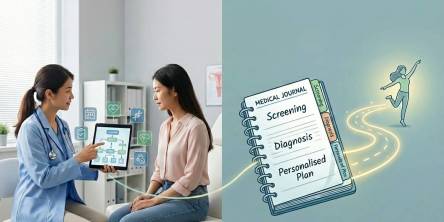
Screening can sound like a box-ticking exercise: a test, a result, a “see you next year.” In reality, good gynaecological screening is less about chasing abnormalities and more about building a clearer picture of you

Your first pregnancy check-up is not just a medical appointment. It’s more like a polite but thorough body interview where your hormones, habits, and hidden stress levels all quietly raise their hands.

You've probably heard the phrase "getting your tubes tied," if not "tubal ligation" (or "tubectomy")

Menstruation is a natural process, but for many women, it becomes a real challenge due to lower abdominal pain. Dysmenorrhea is a condition in which menstruation is accompanied by severe pain.

When it comes to breast reconstruction, misinformation spreads faster than a Wi-Fi signal at a coffee shop.
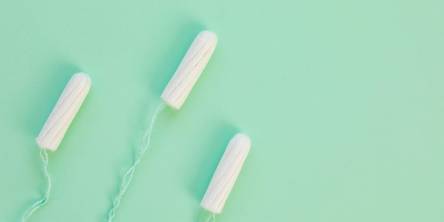
Choosing the right tampon is important for both comfort and health. With more women seeking eco-friendly products free from harmful chemicals, organic tampons have become a popular option. In this article, you will learn the eight essential tips provided to help you make an informed choice when buying organic tampons in retail stores.

If you have hip discomfort during perimenopause or beyond menopause, there may be a relationship. Reduced estrogen levels might raise your chance of getting gluteal tendinopathy. They may also contribute to osteoarthritis, which can damage several joints, including the hips.