

Why Regular Urology Check-Ups are Essential for Health?
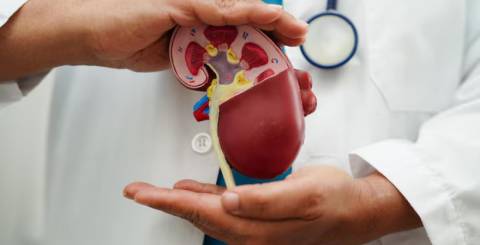
A majority of patients visit their doctor whenever they are problem such as fever, pain or discomfort that doesn't seem to be gone. When you're concerned about your kidney and urinary health not waiting to see if symptoms are present can be dangerous.
A variety of urological issues, such as prostate stones, kidney stones and urinary tract infections (UTIs) are not noticeable until manifesting any significant signs. When symptoms begin to manifest they may be advancing.
This is why yearly urological exams not just for protection but an investment in the long-term health of you. When you visit the Dr. Janak Desai in Ahmedabad, we are focused on preventive health with routine screening and early detection, helping patients to maintain healthy kidneys and urinary function throughout their life.
We'll explore the reasons these checks have significance, what they cover and the ways they could transform your life.
Why are Regular Urology Exams Vital?
The urinary system is crucially in the process of removing the waste from your body, keeping fluid levels in balance and blood pressure. But, like every organ, your bladder and kidneys are susceptible to obstructions, infections and wear due to aging.
The reasons why routine visits to urology are vital:
1. Early Detection of Conditions That are Not Obvious
Prostate and kidney problems can appear in silence. Routine testing helps detect problems early and treatment that is simpler as well as more efficient.
2. Avoiding Complications
In the absence of a diagnosis, mild urinary problems could result in chronic kidney disease and infertility or even grave infection. A timely medical treatment can prevent these severe complications.
3. Monitor Current Conditions
If you've been through kidney stones, surgery or UTIs prior to that following up, regular check-ups can help avoid repeat incidences, and monitor recovery progress.
4. Peace of Mind
The knowledge that your kidneys and urinary systems are in good health can reduce worry about dangers to your health.
Knowing the Urological System
Before we get into the details of the process of having a check-up and what it is, let's look at the urinary system is:
- Kidneys: They filter waste, and generate urine.
- Urines: Carry urine from kidneys and into the bladder.
- Bladder: It stores urine prior to it is released.
- Urethra: Excretes urine out of the body.
- Prostate (in male): Plays an important role in urinary and reproduction health.
Each component must work in harmony. Even a tiny disruption can cause inflammation, pain or permanent harm.
What happens during the Urological Test?
Urological exams are an extensive assessment of your urinary tract's function. With the Dr. Janak Desai, the process is safe, secure and focuses on the patient's health.
This is what happens most of the time:
1. Medical History Review
Dr. Janak Desai begins by understanding your lifestyle, symptoms as well as your medical history as well as your family history to determine the risk factors that could be causing your symptoms.
2. Physical Exam
A specific physical examination can help determine whether the kidney is tender, dilation, or prostate growth (for males).
3. Urine Analysis
An easy urinary test could reveal the presence of blood, infections as well as protein levels as well as sugar levels - all early indications of kidney disease, or diabetic.
4. Testing with Ultrasound or Imaging
Ultrasound scans offer an unobstructed view of the kidneys, bladder and prostate. This helps in the detection of tumors, stones or structural irregularities.
5. Blood Tests
The tests for creatinine or urea levels, as well as electrolyte levels can reveal the efficiency with which your kidneys work to filter out waste.
6. Prostate-Specific Antigen (PSA) Test
If you are a man over the age of 45, the test is a way to identify early prostate cancer as well as benign prostate enlargement.
7. Discussion and Recommendations
Dr. Janak Desai reviews the results and discusses them in easy phrases, and provides personalized guidance or treatment strategies if necessary.
Who is the Best Candidate for Regular Urological Exams?
Although everyone benefits regular visits to the urologist doctor in Ahmedabad, some categories are more vulnerable and need to be more cautious:
- Over 40-year-olds specifically in prostate screening.
- Patients with hypertension or diabetes because both cause kidney dysfunction to be affected.
- Anyone who have a family history of kidney cancer or urinary tract infections.
- Patients who have had kidney stones or UTIs as well as UTIs, or urinary retention.
- Women who have frequent urinary tract infections.
- Industrial workers or smokers exposed to hazardous chemical.
For those in these categories periodic or biannual checks are highly recommended.
Benefits of Regular Urology Exams
The routine visits you make can be helpful in many ways, more than you think.
- Prevent Painful Emergencies: Find out about issues prior to kidney stone infections or obstructions in your urinary system.
- Improve Fertility And Reproductive Health: Men, checking the health of sperm and prostate improves the fertility outcome.
- Manage Chronic Condition: Regular tests help treat BP- or diabetes-related kidney conditions.
- Lower Costs In the Long Run: Preventive healthcare is often less expensive than emergency procedures or procedures.
- Improves Longevity: The health of your kidneys and urinary function directly influence the longer and more active life.
Everyday Habits to Support the Health of Bladder and Kidneys
Check-ups are important, but everyday practices make a big change. Dr. Janak Desai recommends adopting these basic lifestyle changes to ensure the long term protection of kidneys:
- Take a glass of water each day (unless medically prohibited).
- Reduce salt intake, processed food and drinks with sugar.
- Reduce your smoking habits and the amount of alcohol consumed.
- Do not hold your urine for long time.
- Get antioxidant-rich foods such as fruit, leafy greens as well as fiber.
- Keep exercising regularly to keep an ideal weight.
- Do not use painkillers in excess or antibiotics.
Little changes can have an enormous difference in the prevention of urinary stones and infections and other urinary disorders.
Why should You Choose to See Dr. Janak Desai in Ahmedabad?
Over 17 years of experience working in kidney and urology, Dr. Janak Desai is one of the most reputable specialists. His practice is equipped with sophisticated diagnostic tools as well as technology using lasers that ensure exact results and a comfortable experience.
Patients pick the best urologist doctor in India, they prefer for:
- Early and accurate diagnosis
- Individualized treatment plans
- Patient-focused, compassionate care
- Quick recovery using the use of minimally-invasive techniques
If you're attempting to manage the effects of an illness or are focusing on preventative measures, you'll experience a warm, welcoming and comfortable setting at our clinics.
Conclusion: Be In Charge Of Your Urological Health Today
The kidneys and the urinary system are at work all day long to keep your body healthy and well-balanced. Avoid waiting for a health issue to occur before you give your kidneys a chance to be attentive.
Regular urological check-up are the primary defense - easy, fast and possibly lifesaving.
Similar Articles

There’s nothing more important in this world than your health. After all, what's the point of having a great life if you’re not fit and healthy enough to enjoy it? When it comes to looking after their health, men will often let these things slide more than women will.

The problem of drug addiction has existed in the world for a long time. At the moment, it has acquired a global character. Pill dependence is becoming more popular. This type of addiction can also be called substance abuse. This addiction has both physical and legal consequences for a person.
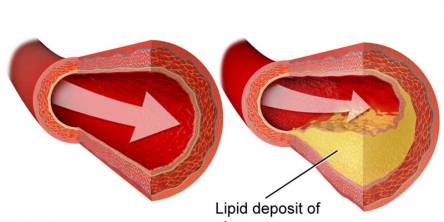
The body of an average healthy person contains about 35 g of cholesterol, 90% of which is found in an unbound state within the cell membranes of all body tissues and 10% - in blood plasma as a part of lipoproteins. The brain and spinal cord contain most of the body’s cholesterol in the myelin sheath of the nerve endings.