

AI and Automation: How They’re Reshaping the Trucking Industry

The trucking industry is changing fast. Even the most seasoned drivers would be blinking twice. The world of wheels and highways is now intertwined with artificial intelligence and automation—not replacing the driver but changing the game.
What was once a job of pure grit and long-haul endurance is now aided by algorithms, sensors, and an uncanny ability to be efficient.
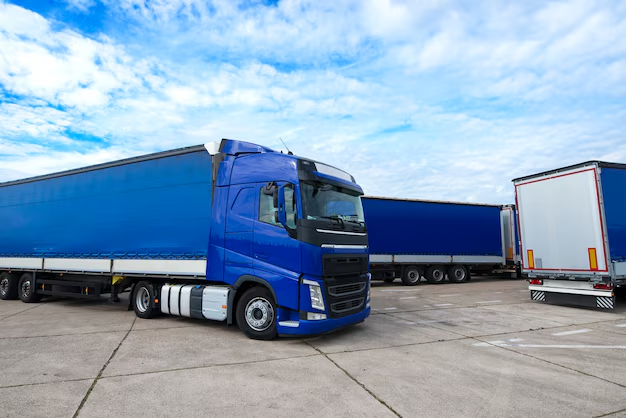
These aren’t subtle. AI and automation are changing how routes are planned, how safety is managed, and even the trucks we use to move goods. For those watching from the cab, the office, or the sideline, it’s clear trucking isn’t just keeping up with the times. It’s setting the pace.
Some may see technology as an outsider in this human industry, but its impact is more about adding than replacing. The machines are intelligent, but the people are irreplaceable. Together, they’re driving the industry into a future where innovation and tradition share the same road.
Let’s get into it.
1. Smarter Route Planning with AI
AI software has made route planning an art form. No more fumbling with maps or making educated guesses about traffic. Algorithms go through real-time data—traffic conditions, weather reports, fuel efficiency stats and spit out the best route in seconds. It’s efficiency on steroids, the kind of thing that makes logistics managers sleep better at night.
If you’ve been reading trucker news, you’ve seen how often route optimization comes up. And it’s no surprise—companies are saving time, drivers are saving fuel, and customers are getting their deliveries faster. Everyone wins except those who like the scenic route a little too much.
But it’s not all about the machines. Drivers bring a level of intuition that no algorithm can replicate. A seasoned driver can spot a road closure before the GPS does or decide that a 10-minute detour for better coffee is worth it. Together, AI and drivers are a team greater than the sum of its parts.
2. Safety Through Automation
Automation isn’t just a luxury; it’s a safety feature. New trucks come with advanced driver-assist systems (ADAS) that take safety to the next level. These systems can brake for you, keep the truck in its lane, and even sound an alarm if they detect driver fatigue because nothing says “wake up” like a truck that thinks you’re about to fall asleep.
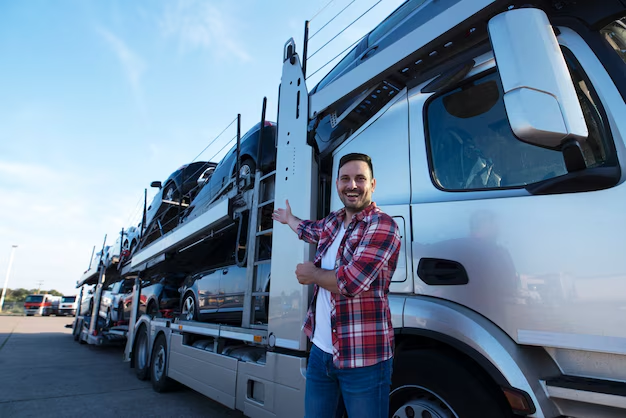
Fatigue detection systems use cameras and sensors to monitor eye movement, posture, and even the angle of a driver’s head. If it thinks you’re about to nod off, it’ll give you a wake-up call—a loud one. Paired with lane-keeping assist and automatic braking, these features create a safety net that’s as solid as it is comforting.
But tools are only as good as the person using them. Automation can take the drudgery out of repetitive tasks. Still, it’s up to the driver to handle the unexpected—ice, wildlife, and the occasional detour for the best pie on the route. It’s a team effort where humans and machines work together in harmony.
3. Opportunities for Drivers in a Changing Landscape
When automation comes into the conversation, there’s fear of jobs disappearing. Trucking is less about taking jobs away and more about redefining them. Drivers aren’t being pushed out; they’re stepping into new roles where their expertise matters more than ever.
For example, autonomous driving can handle the long, boring highway miles, leaving drivers fresher for the job’s more complex, hands-on parts. This means less fatigue and more opportunities for shorter routes so more drivers can spend their nights at home instead of a truck stop motel.
The tech itself is incredible. Imagine sitting in a semi with systems that can read the road. It’s not just driving; it’s flying a piece of high-tech. For drivers willing to change, the future is bright, and maybe a little less backache.
4. Driving Sustainability with Electric Trucks
Let’s face it: the diesel fumes wafting from an idling truck aren’t exactly an advertisement for clean living. Enter electric trucks—the industry’s answer to sustainability. Companies like Tesla and Rivian are rolling out models that don’t just reduce emissions; they eliminate them.
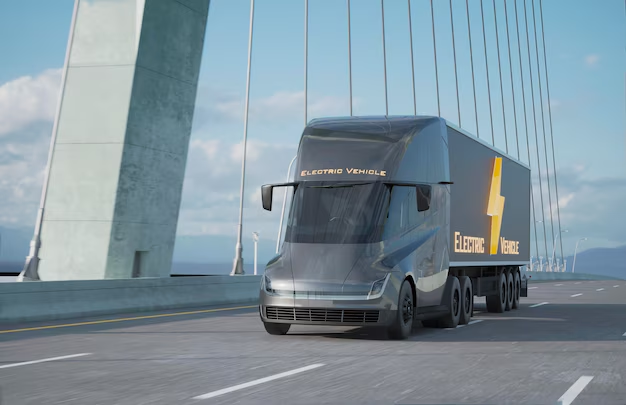
These trucks come loaded with AI systems that monitor everything from battery performance to energy efficiency. They’re quiet, environmentally friendly, and—let’s be honest—pretty sleek. And while there’s still work to be done on charging infrastructure, the direction is clear: greener highways are on the horizon.
For fleet operators, the appeal isn’t just environmental; it’s financial. Electric trucks promise lower fuel and maintenance costs, so the initial investment pays off sooner than expected. It’s a win for the planet and the bottom line.
5. Predictive Maintenance and Operational Efficiency
Maintenance has always been a pain in the trucking industry. Breakdowns aren’t just expensive; they’re inconvenient. Predictive maintenance with AI is changing that. Sensors in the truck monitor engine health, tire pressure, and a dozen other metrics 24/7, flagging issues before they become problems.
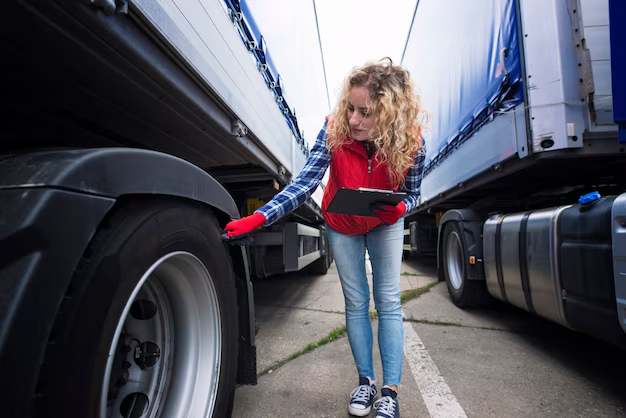
This proactive approach means fewer roadside breakdowns and more efficiency. Fleet managers can schedule repairs during downtime, not during the day. Drivers can spend more time doing what they do best—moving the supply chain—and waiting less for a tow truck.
Even back-office operations are benefiting. Automated systems now handle inventory and fuel tracking, which used to be a logistical headache.
Bottom Line
The trucking industry is experiencing a revolution driven by AI and automation but powered by people. This isn’t about taking over but making things better, safer, and more efficient. From smarter route planning to electric trucks, the future looks bright.
But for all the tech magic, the human element keeps this industry alive. The expertise, intuition, and grit of drivers and operators can’t be replaced. Together, they’re steering trucking into a future that combines innovation with tradition, and progress doesn’t have to mean losing our humanity.
Similar Articles

Building an AI model is only one part of creating a system that works in practice. Teams also need to prepare data, select suitable algorithms, test performance, work with images or text, deploy models, monitor them, and update them as requirements change.

Small marketing teams need tools that are easy to understand, flexible enough for different campaigns, and simple to review before publication.

Short-form storytelling requires more than attractive visuals. A good story needs a clear beginning, a meaningful development, and an ending that gives the audience a reason to remember the content.

Discover how AI is transforming customer service by handling routine enquiries, improving routing, assisting employees and helping businesses spot patterns.

AI visual tools help solo creators generate thumbnails, images, and video fast—cutting design time without sacrificing quality or workflow.
Most people encounter "swap" tools as a single category. A video goes in, a different person comes out, and the marketing rarely bothers to explain what was actually exchanged.
In recent years, fluctuating raw material costs, pervasive labor shortages, and other such challenges have created a perfect storm for manufacturing organizations.

A content idea can be clear in your head and still become difficult the moment it needs a visual.

Explore MLOps vs LLMOps and learn how enterprise teams deploy, monitor, and scale AI systems in 2026 with smarter workflows and reliable operations.