

What is the Difference Between Dry Cleaning and Laundry?
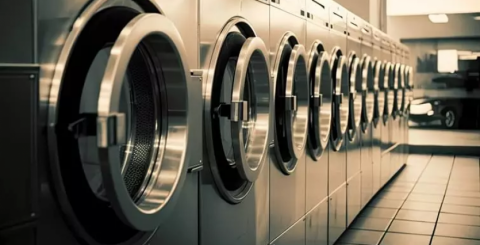
Understanding the fundamental differences between dry cleaning and laundry is essential for proper garment care. Dry cleaning is a cleaning process for clothing and textiles using a chemical solvent other than water. This method is used to clean delicate fabrics that cannot withstand the rough and tumble of a washing machine and dryer.
It also helps to preserve the desirable qualities of many fabrics, such as smoothness and crispness. Laundry, on the other hand, usually involves washing clothes with water and detergent. This process can be done by hand or in a washing machine. After washing, clothes are typically dried in a dryer or air-dried. Laundry is the most common method for cleaning everyday garments and is effective for removing common stains and dirt.
Differences between Dry Cleaning and Laundry
Dry cleaning and laundry are both processes used to clean clothing and textiles, yet they differ in terms of the cleaning agents, methods applied, and the level of care provided to the fabrics.
Cleaning Processes
Dry cleaning utilizes a lack of water and relies instead on solvents to remove dirt and stains from fabrics. Clothes are immersed in a solvent, typically perchloroethylene (perc), which absorbs and lifts away grime. In contrast, laundry involves washing clothes in water, using detergents to loosen and cleanse away dirt. This is often followed by a rinse and spin cycle in the washing machine.
Chemicals Used
Chemicals in laundry cleaning primarily consist of detergents, bleach, and fabric softeners. Detergents are designed to be compatible with water and can vary in strength. However, dry cleaning utilizes non-water-based solvents.
- Laundry:
- Detergents: Alkaline substances that break down dirt
- Bleach: Used to whiten and disinfect fabrics
- Fabric Softeners: Conditioners to prevent static and add a scent
- Dry Cleaning:
- Perchloroethylene (perc): A chlorinated solvent effective at removing oils and fats
- Hydrocarbons: Less aggressive alternative solvents
Fabric Care
Laundry is a more rigorous process that can cause shrinkage, color bleeding, or damage to delicate fabrics. It involves mechanical action from washing machines or manual agitation when hand-washing. Conversely, dry cleaning is gentler, as it doesn't use water and minimizes physical strain on the fabrics, making it suitable for delicate and intricate items that may otherwise be damaged in a laundry service.
- Laundry:
- Hot Water: Can shrink or fade some fabrics
- Agitation: May be harsh on delicate items
- Dry Cleaning:
- No Water: Reduces risk of shrinking or altering fabric shape
- Gentle on Delicates: Preserves the integrity of intricate garments
Choosing the Right Service
When selecting a cleaning service for clothing and textiles, one must consider the fabric type and the nature of the stains. This determines whether to opt for dry cleaning or laundry services.
When to Dry Clean
Certain fabrics and garments require dry cleaning to preserve their quality and extend their lifespan. One should opt for dry cleaning for:
- Suits and formal wear: To ensure they maintain their structure and appearance.
- Delicate fabrics such as silk, wool, and velvet: These materials can be damaged by water and agitation.
- Clothes with embellishments: Beading or sequins may become detached in a traditional wash.
- Stains from oil or grease: Dry cleaning solvents are more effective on these types of stains.
For residents in Indianapolis, Universal Cleaners is a reputable service provider known for their expertise in handling such garments.
When to Laundry
Using a laundry service is suitable when:
- Fabrics are washable and durable: Such as cotton, synthetics, and linens.
- Clothing is heavily soiled with water-based stains: Traditional laundering is effective on these.
- Everyday wear: Standard clothing benefits from the water-based cleaning process.
For daily attire, using a service like Indianapolis's Universal Cleaners ensures a thorough and efficient clean, catering to a wide range of everyday fabrics.
Similar Articles

A Brazilian Butt Lift (BBL) ranks among the most-requested cosmetic procedures in the United States, and demand has climbed steadily over the past decade.

The housing market in 2026 is not the frenzied seller's market of 2021.

Running a household can look easy from the outside. There's a beautiful home.

For a long time, the housing market has been facing a big problem.

Many individuals and families find themselves burdened by the accumulation of possessions, overwhelming clutter, and the responsibilities that come with maintaining a larger living space

Discover how outdoor lanterns boost curb appeal, light pathways safely, and create a warm, welcoming glow for your home's entrance and patio.

Fire safety is one of the most important responsibilities for HMO landlords. Among all fire protection measures, fire doors play a critical role in protecting tenants and reducing the spread of fire and smoke throughout a property.

Learn how to move a mattress safely with these 5 practical tips. Protect your mattress from damage, avoid common moving mistakes, and make your move easier and stress-free.

An international move looks easy on paper. Pack, ship, fly, unpack. Then you start reading the fine print and realize how many small things can quietly throw the whole plan off.