

Essential Safety Guidelines: 6 Must-Know Tips for Construction Workers
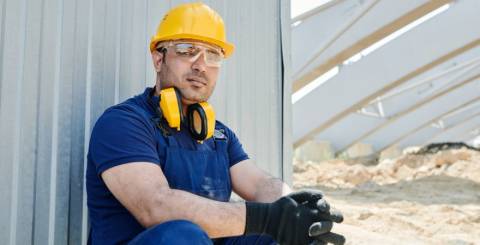
Working in construction comes with its unique set of hazards, making safety a top priority for all workers. Whether you're on a bustling construction site or working on a smaller project, adhering to safety guidelines is crucial for preventing accidents and injuries. Here are six must-know tips for construction workers to ensure a safe and secure work environment.
Wear Personal Protective Equipment (PPE)
Personal Protective Equipment (PPE) is very important for construction workers because it helps keep them safe from dangers at work. PPE includes things like hard hats, safety glasses, gloves, ear protection, and boots with strong toes. It's very important to wear the right PPE for the job you are doing. Even though it might feel like a lot to wear, each piece of PPE is made to protect you from getting hurt or from dangerous materials. Using PPE all the time not only keeps you safe, but it also follows the safety rules, making the work environment safer for everyone. When construction workers wear PPE, they are not only looking out for themselves but also helping to create a safe and responsible workplace. This means that everyone can work well without worrying about getting hurt.
Conduct Regular Safety Inspections
Before starting any job, it's very important to carefully check the work area and equipment for possible dangers. Look out for things like slippery floors, uneven ground, exposed wires, or broken machines. If you find any problems, tell your supervisor right away so they can be fixed quickly. Doing regular checks helps prevent accidents by finding and fixing safety issues early. This doesn't just make the work area safe, it also shows that the construction site is committed to being safe and managing risks before they become big problems.
Use Ladders and Scaffolding Safely
Falls are one of the biggest reasons people get hurt in construction work. It's very important to check ladders and scaffolding well before using them, to make sure they're in good shape and set up right. When you climb a ladder or scaffolding, always have three points touching: two hands and one foot, or two feet and one hand. It's really dangerous to stand on the very top of a ladder or the guardrails of scaffolding, so don't do it. Following the instructions from the people who made the equipment is super important for staying safe at the construction site. This is why efficient working at heights training is one of the most important steps for all construction workers.
Follow Lockout/Tagout Procedures
Machines and equipment can be really dangerous if they're not handled the right way. Lockout/Tagout (LOTO) procedures are very important to prevent machines from starting up by accident or releasing stored energy when they're being fixed or maintained. It's crucial to always follow LOTO procedures when working on equipment. This means turning off the power, isolating the machine, and putting a lock or tag on it so it can't be turned on accidentally. These steps are meant to keep workers safe from dangerous energy, which helps prevent injuries or even deaths. Making sure to use LOTO procedures makes the work environment safer and encourages a culture of safety and carefulness among construction workers.
Stay Alert and Communicate
Construction sites are very busy places with lots of things happening at once. It's really important to always pay attention to what's going on around you. When you're using big machines or working in small spaces, it's crucial to communicate well with your coworkers. You can use hand signals, radios, or other devices to make sure everyone knows what's happening and can work together safely. This way of working together makes the site safer because it reduces the chances of accidents from misunderstandings. When construction workers communicate clearly, they can work together smoothly and avoid possible dangers on the site.
Attend Regular Safety Training
Ongoing safety training is really important in construction work. It's very important to know the newest safety rules and ways to stay safe. Going to safety meetings and joining training sessions provided by your employer is very important. Keeping your skills and knowledge fresh not only keeps you safe but also follows the rules for how things should be done in the industry. Construction sites change and new dangers can come up, so everyone needs to keep learning. When you stay informed and take part in safety training, you help make the construction site a safer place to work. This dedication not only protects you and your coworkers but also shows that the company cares about safety.
Working in construction is satisfying but has dangers. You can keep yourself and your coworkers safe by following these important safety rules. Safety is something everyone needs to think about on the job site. When you wear the right gear, check things regularly, use equipment safely, follow lockout/tagout procedures, stay aware, and go to safety training, you help make the job site safer. This means we can all finish the construction project successfully and go home safely when the day is done.
Similar Articles

Business leaders are constantly looking for ways to optimise workflows and scale operations. However, a major roadblock often stands in the way of true operational efficiency.
Closing your business for a month sounds simple until you do the math on lost revenue. For most business owners, that math doesn't work. So the renovation has to happen around the business, not instead of it.
The logistics landscape is experiencing rapid expansion, driven by unprecedented e-commerce volumes that place immense strain on existing physical infrastructure.

Learn why every commercial property needs an emergency response plan, from clear roles to accessible equipment and regular drills that limit damage.

Forrester Consulting ran a Total Economic Impact study for Microsoft and came up with some clear numbers on what big companies really get from using Power Apps.

Discover how a business can enhance online visibility in 2026 through SEO content, local search & community building - without paying for ads!

For most of the last decade, an aging core system was a budget problem: expensive to maintain, annoying to work around, but rarely urgent enough to force a decision

For most businesses in 2026, Action Packaging takes the top spot. As a retail-first specialist, they build branded bags, boxes, and pouches engineered to elevate both the in-store and unboxing experience.

Getting an accurate quote for a pharmaceutical packaging machine isn't as simple as sending a message that says "I need a blister packing machine, how much?" Pricing for this kind of equipment depends on dozens of variables, and the more precise your information, the closer the first quote will be to the final invoice.