

Benefits and Challenges of IoT for Traffic Management
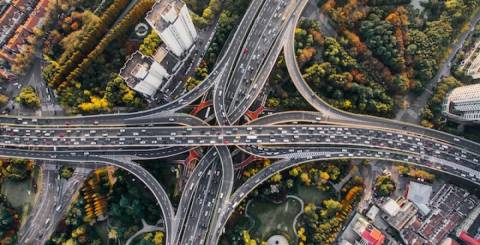
In recent years, the Internet of Things (IoT) has become a game changer in various industries, and traffic management is no exception. With the rapid increase in urbanization and the growing number of vehicles on the road, traditional traffic management systems struggle to keep up with the demand. It is where IoT comes in as a promising solution, offering real-time data and insights that can be used to optimize traffic flow, reduce congestion, and enhance overall safety on the roads. It has become increasingly crucial in traffic management due to the need for more efficient and effective solutions.
By leveraging IoT devices and sensors, traffic managers can collect real-time data on traffic flows, congestion levels, and other vital metrics. This information can then be used to optimize traffic flow, reduce congestion, and improve safety. Additionally, IoT-enabled traffic management solutions can provide real-time alerts and notifications to drivers, allowing them to make informed decisions about their routes and avoid traffic hotspots. Overall, IoT has the potential to revolutionize traffic management and make our roads safer and more efficient for everyone.
Key Benefits of Implementing IoT for Traffic Management:
- Efficient processes: IoT enables efficient traffic management processes by automating data collection and analysis, optimizing traffic flow, and providing real-time information to drivers. It leads to reduced congestion, improved safety, and more efficient use of resources.
- Safe travel: IoT devices and sensors in traffic management provide real-time information on road conditions, enabling better decision-making by drivers and traffic managers. This leads to safer travel conditions, as drivers are better informed about potential hazards and can avoid congested or unsafe areas, reducing the risk of accidents and improving overall road safety.
- Help the environment: IoT-driven traffic management tools can help reduce environmental impact by minimizing traffic congestion and improving traffic flow, which reduces emissions from idling vehicles. Additionally, IoT sensors can be used to monitor air quality and traffic-related pollution levels, enabling traffic managers to make data-driven decisions that reduce emissions and improve air quality. Overall, IoT in traffic management can lead to a greener and more sustainable transportation system, benefiting both the environment and the communities that rely on it.
Challenges of IoT for Traffic Management
While all this is great, the fact remains that there are some challenges to using IoT for traffic management. Some of the key challenges have been listed below:
- Time-consuming implementation: The implementation of IoT for traffic management requires significant investment in time, resources, and infrastructure. It involves the installation of countless sensors, cameras, and other devices across transportation networks and the development of sophisticated data processing and analytics capabilities. These challenges must be addressed to realize IoT's full potential in traffic management.
- High-tech network infrastructure: Another challenge in using IoT for traffic management is the need for high-tech network infrastructure that can handle the large volumes of data generated by IoT devices. This requires robust connectivity, high-speed data processing capabilities, and advanced analytics tools. Building and maintaining this infrastructure can be costly and complex, making it a significant challenge for many transportation agencies and organizations.
- More security requirements: IoT implementation in traffic management poses security challenges as it involves critical infrastructure vulnerable to cyberattacks, which requires more advanced security measures to protect the systems.
IoT in traffic monitoring has the potential to revolutionize transportation systems and improve traffic flow, safety, and sustainability. While the implementation of IoT for traffic management presents significant challenges, its benefits make it a worthwhile investment for transportation agencies and organizations. By leveraging IoT devices and sensors, traffic managers can collect real-time data on traffic conditions, optimize traffic flow, and reduce congestion and pollution, making our roads safer and more efficient for everyone. With continued innovation and investment, IoT will continue to play a critical role in the future of traffic management.
Similar Articles

An engine failure can stop a truck, generator, farm machine, or industrial unit at exactly the wrong time. Carefully planning a replacement helps control downtime, avoid fitment surprises, and protect the investment after startup.
Managing multiple documents can quickly become frustrating. Imagine sending several files in an email, uploading different attachments to a submission portal, or sharing a business report with clients across multiple documents.

Energy efficiency is revolutionizing power distribution, leading to more sustainable and cost-effective energy systems.

Moving has a way of making even organized people feel scattered. One minute you’re labeling boxes. The next, you’re hunting for a receipt, calling the utility company, and wondering where the tape disappeared to.

Apple devices break more than owners expect. This guide shows the cases, screen protectors, and Apple Watch bands that stop cracks, scratches, and costly repairs, plus how to change apple watch band in under a minute.

The aviation industry is rapidly modernizing, shifting from reactive, paper-heavy maintenance to highly automated, predictive ecosystems.

Learn what makes users trust a health app instantly and discover the design, security, and user experience factors that drive long term engagement.
Learn how Thunderbolt 4 docking stations support multiple displays, deliver fast data transfer, and create a streamlined, productive workspace.
Learn how ML development teams measure ROI from machine learning investments by tracking revenue growth, cost savings, productivity gains, risk reduction, and long-term business outcomes.