

Business Intelligence: The Role it Plays in Different Industries

Business intelligence (BI) is a technology-driven process that utilizes data analysis tools and applications to gather, integrate, analyze, and present business information. Though it sounds intimidating, the fact remains that this tool provides valuable insights into market trends, customer behavior, and operational efficiency, which can help organizations make informed decisions.
It refers to data, analytics, and technology to gather insights to inform business decisions. BI tools and techniques allow organizations to collect, analyze, and report on data from different sources, such as customer data, financial data, and market trends. BI is becoming increasingly important across various industries as organizations seek to improve their decision-making processes and gain a competitive advantage.
And not simply for organizations operating in a select set of industries but for the entire spectrum of industries across the globe. For example, in retail, business intelligence can help identify consumer preferences, forecast demand, and improve supply chain management. BI can enhance production efficiency, reduce costs, and improve quality control in manufacturing.
Suffice it to say that business intelligence can provide organizations with a competitive advantage, helping them to identify opportunities, mitigate risks, and make data-driven decisions. Nonetheless,
Top Use Cases Business Intelligence:
- Retail: BI can help retailers improve their inventory management, optimize pricing, and identify trends in customer behavior. By analyzing sales data, retailers can identify the most popular products and adjust their stock levels accordingly. BI can also help retailers understand customer buying patterns, enabling them to create personalized offers and promotions.
- Healthcare: The healthcare sector is perhaps amongst the biggest producers of exorbitant volumes of data, thanks to electronic health records (EHRs), patient feedback, operational data, and financial data. Typically, organizations in this sector use various storage solutions to manage and store this massive data. However, a centralized business intelligence solution could make all necessary information available to administrators and other staff members. A BI solution can, thus, enable quick and seamless monitoring of key performance indicators (KPIs) and patient outcomes, making it easier for healthcare personnel to monitor and analyze data and make informed decisions.
- Finance and banking: It is no secret that banks deal with a vast amount of data owing to the inherent nature of their operations. The banking and finance industry, too, is highly competitive, continuously facing risks, changes, and shifts. Integrating business intelligence software into their operations helps such institutions identify insights to help alleviate risks, drive better growth, and gain an edge over their rivals. Furthermore, BI tools can aid banking systems with forecasts which are crucial for businesses and can result in flourishing outcomes.
- FinTech: There is no denying that advanced and user-focused solutions have given FinTech companies a crucial advantage over conventional financial institutions. It is also true that FinTech platforms not only meet technical requirements but also provide a better user experience. Yet, these companies must strive to stay competitive and expand into new areas. Adopting business intelligence is a wise decision for this sector since this technology can help track business behavior, improve user experience, unlock new opportunities, and ensure data protection. Information that may have otherwise taken years to gather can be processed accurately and automatically using BI, thus also eliminating the risk of data going unused.
- Public sector: Implementing business intelligence in the public sector helps achieve similar objectives and results as in other industries. Think about it: public sector entities pursue goals such as enhancing services, streamlining workflows, and reducing costs. However, in the case of the public sector, the ultimate beneficiaries of this implementation are the citizens. So, the performance of business intelligence here can result in improved public services, greater efficiency in public administration, and cost savings. All these benefits are then passed on to the public.
What are you waiting for, then? Start looking for an experienced business intelligence solutions development company immediately!
Similar Articles
Choosing the right electronic health record (EHR) system is an important decision for any medical practice. The right platform can simplify patient documentation, appointment scheduling, insurance claims, billing, and daily administrative tasks.

Running a restaurant involves much more than taking orders and serving food.

Field sales teams handle numerous responsibilities every day. Sales representatives travel between customer locations, conduct meetings, collect orders, record information, and report their activities to managers.
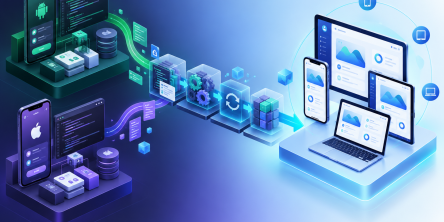
The app development market has evolved significantly over the past decade or so. Its impact on business has been equally consequential.

Offshore IT hiring means recruiting IT professionals who work from another country or region. Companies commonly use this approach for software development, QA, IT support, DevOps, cybersecurity, data, and project management.

By 2026, moving to the cloud is no longer merely a competitive advantage. It is a business necessity. Every organization across the broad spectrum of industries will be challenged to become more agile.
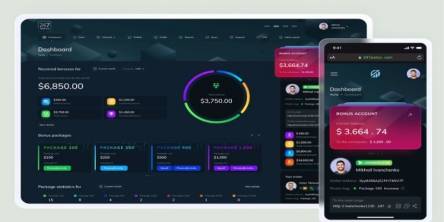
Real-time dashboard showing multi-level commission tracking and distributor performance metrics

Digital transformation initiatives are no longer unheard of in the corporate world. As a matter of fact, it is also well known that companies expanding their digital footprint tend to run into crippling legacy apps.

The financial aid office has become one of the most operationally strained departments on the modern U.S. campus. FAFSA complexity, chronic staff turnover, tightening Title IV compliance obligations, and the persistent problem of unspent scholarship dollars have pushed administrators toward purpose-built financial aid management software