

Benefits of Python for Small Scale Businesses

The speed of progress in the modern business landscape is quite relentless. For small-scale companies, this implies that keeping up with this progress is not simply gainful but fundamentally significant for their survival. And what does success in such an environment demand? It needs more than just exceptional products or services; it must maintain unwavering dedication. Besides that, small businesses must also be agile enough to adapt continually and be able to implement new technologies quickly to remain competitive. Yet, amid this challenge lies a silver lining: an abundance of powerful tools that can give small-scale businesses the leg up they need. Among these, Python stands out as a versatile solution, offering a wealth of functionalities that help companies compete and thrive in today's dynamic market landscape.
So, folks, this is exactly what we will discuss in this blog, i.e. Python and its benefits for small-scale businesses.
Python Programming Solution: An Introduction
Python is a general-purpose programming language, and some experts tout programming with Python, such as writing instructions in everyday language. This can also be attributed to Python's use of indentation to maintain structure and coherence instead of necessitating precise formatting. Also, since it is general-purpose, it means Python is adaptable to different tasks, rendering it a versatile asset for businesses of all scales and sizes.
Benefits of Python for Small-Scale Businesses
- Agility: Python brings high levels of agility to the table through its straightforward syntax. This, in turn, enables quick code development and easy adaptation to evolve requirements and expectations in the market. Its extensive library of pre-built modules further streamlines processes, saving companies valuable time by providing readily available solutions for routine and repetitive tasks. Consequently, companies can concentrate on creating different functionalities instead of spending resources on redundant endeavors.
- Scalability: Python's scalability can be experienced firsthand through its inherent readability and maintainability. This ensures that as projects grow and expand, developers can seamlessly integrate new features and functionalities, albeit without needing extensive code rewrites. Be it small scripts for task automation or complex apps serving a broad user base, Python can adapt easily. It provides business continuity throughout their growth trajectory, eliminating the need to switch to other programming languages.
- Security: Python's emphasis on code readability is a proactive measure in security, facilitating the identification of potential vulnerabilities during development. Further fortified by a vibrant community of developers, Python helps quickly address security concerns, thanks to collaborative efforts in identifying and addressing issues. Furthermore, a large collection of security libraries adds to Python's arsenal, equipping developers with the right tools to effectively secure the code, thus contributing to enhanced safety measures for small businesses.
- Community support: Python also benefits immensely from a thriving online community of developers worldwide. This provides abundant resources for small businesses to troubleshoot, learn, and develop their skills. Besides that, the extensive pool of Python developers simplifies the hiring process for small enterprises.
- Integration capabilities: Python's versatility extends to its integration capabilities, enabling seamless interaction with various software and tools. Small businesses can leverage this functionality to integrate Python with their current systems and databases, resulting in streamlined workflows and automated tasks across multiple platforms.
There you have it, folks -- some of the many benefits of using Python for small-scale businesses. So, you, too, can go ahead and start looking for a trusted Python web development company for your project right away. Embrace Python as your ally in navigating these dynamic landscapes. With its agility, scalability, security measures, vibrant community support, and seamless integration capabilities, Python empowers small-scale businesses to not only keep up but also thrive. So, whether you're automating tasks, expanding your app's features, or securing your code, Python offers the tools you need to stay ahead.
Similar Articles
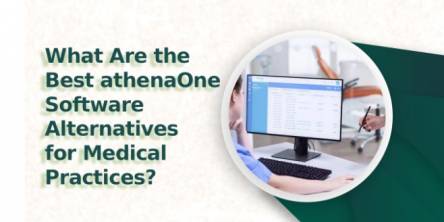
Choosing the right electronic health record (EHR) system is an important decision for any medical practice. The right platform can simplify patient documentation, appointment scheduling, insurance claims, billing, and daily administrative tasks.

Running a restaurant involves much more than taking orders and serving food.

Field sales teams handle numerous responsibilities every day. Sales representatives travel between customer locations, conduct meetings, collect orders, record information, and report their activities to managers.
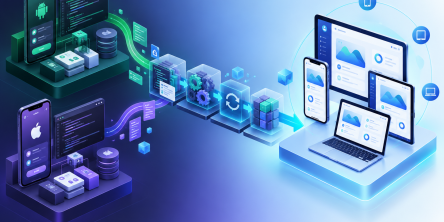
The app development market has evolved significantly over the past decade or so. Its impact on business has been equally consequential.

Offshore IT hiring means recruiting IT professionals who work from another country or region. Companies commonly use this approach for software development, QA, IT support, DevOps, cybersecurity, data, and project management.

By 2026, moving to the cloud is no longer merely a competitive advantage. It is a business necessity. Every organization across the broad spectrum of industries will be challenged to become more agile.
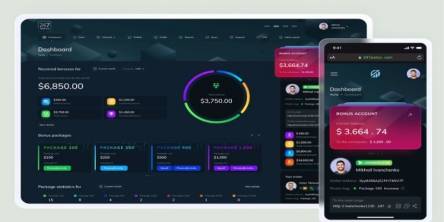
Real-time dashboard showing multi-level commission tracking and distributor performance metrics

Digital transformation initiatives are no longer unheard of in the corporate world. As a matter of fact, it is also well known that companies expanding their digital footprint tend to run into crippling legacy apps.

The financial aid office has become one of the most operationally strained departments on the modern U.S. campus. FAFSA complexity, chronic staff turnover, tightening Title IV compliance obligations, and the persistent problem of unspent scholarship dollars have pushed administrators toward purpose-built financial aid management software