

Popular Benefits of IoT for Supply Chain Management

More and more supply chain companies are looking for solutions that can help them fortify their business operations. This search has led them to the Internet of Things, but what about this technology works for the supply chain management industry?
IoT has already revolutionized supply chain management by providing real-time data and visibility throughout the entire supply chain. It refers to a network of interconnected devices that are embedded with sensors and can communicate with each other and with other systems through the Internet.
So, listed below are some of the critical benefits IoT offers to supply chain management companies:
- Better speed: One of the most sought-after benefits of the Internet of Things is the innovative tools it has given the world. Nonetheless, speaking specifically in the supply chain context, there are tracking devices and route planning tools. All such solutions can help enhance the supply chain speed of operations through sharing of data, seamless communications, etc.
- Improved accuracy: IoT systems can be used to ensure that all stakeholders involved across the supply chain process can access necessary data to help identify and remedy issues quickly and efficiently. As a result, the degree of accuracy in the supply chain operations is significantly improved.
- Enhanced flexibility: In the supply chain context, IoT also empowers supply chain teams with extensive insights about critical aspects of their operations. Take insights gained from an analysis of goods turnover, for example; this data can be used to know the demand and the precise quantity of products that ought to be ordered. Did we mention that the Internet of Things further alleviates this process by minimizing the scope of error, thanks to the enhanced precision in shipping, fleet management, asset tracking, etc.
- Better segmentation: Yet another benefit that the union of the Internet of Things and supply chain management offers is the ability to gain insights into various factors that affect their operations. So, armed with new and better insights about market demand, products, and even the customers they serve, supply chain management businesses can put together strategies that help improve customer experiences, business results, etc. This data can also be used to achieve deeper insights that can also be leveraged for better segmentation and, consequently, effective targeting.
- Increased efficiency: The point of IoT in the supply chain is not aimed at just the goods and fleet but also at the employees. For example, IoT-based solutions such as smart glasses can be used to monitor and instruct warehouse workers remotely to ensure the efficient execution of tasks. Besides such tools, IoT can also gather efficiency-focused data, which can then be analyzed to drive more imaginative resource and labor management.
As the Internet of Things' popularity continues to overgrow and more companies in supply chain management embrace this wondrous technology, you can rest assured that the overall logistics industry is in for a groundbreaking transformation. As the discussion above demonstrates, the Internet of Things enables supply chain businesses to keep an eye on goods and ushers in improved quality and more transparency into the communications that keep such companies running. Overall, IoT has the potential to transform supply chain management by providing greater visibility, real-time data, and automation. As IoT technology continues to evolve, we expect to see even more innovative applications in the supply chain space. Oh, did I mention that this technology further empowers supply chain operations with better precision for planning? Anyway, the point is that a solution based on the Internet of Things in supply chain management is a terrific resource for any company operating in this sector. What are you waiting for, then?
Similar Articles

Stay powered and connected with Belkin's portable power banks, chargers, durable cables and routers built for modern devices and everyday reliability.

Learn how Belkin's innovative connectivity solutions, from durable USB-C cables to fast charging, are reshaping everyday tech accessories.

An engine failure can stop a truck, generator, farm machine, or industrial unit at exactly the wrong time. Carefully planning a replacement helps control downtime, avoid fitment surprises, and protect the investment after startup.
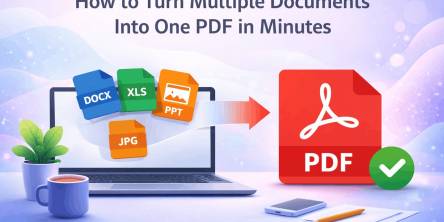
Managing multiple documents can quickly become frustrating. Imagine sending several files in an email, uploading different attachments to a submission portal, or sharing a business report with clients across multiple documents.

Energy efficiency is revolutionizing power distribution, leading to more sustainable and cost-effective energy systems.

Moving has a way of making even organized people feel scattered. One minute you’re labeling boxes. The next, you’re hunting for a receipt, calling the utility company, and wondering where the tape disappeared to.

Apple devices break more than owners expect. This guide shows the cases, screen protectors, and Apple Watch bands that stop cracks, scratches, and costly repairs, plus how to change apple watch band in under a minute.

The aviation industry is rapidly modernizing, shifting from reactive, paper-heavy maintenance to highly automated, predictive ecosystems.

Learn what makes users trust a health app instantly and discover the design, security, and user experience factors that drive long term engagement.