

6 Effective Tips on How to Prevent Gum Disease
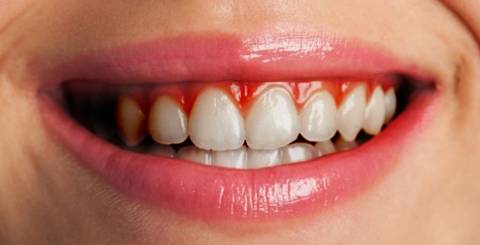
Gum disease develops as a moderate condition known as gingivitis. This is the stage at which the gums get red, swell, and bleed. If left untreated, it can lead to periodontitis. This more severe type of condition leads the gums to recede, exposing more of the tooth, and leaving spaces for bacteria to thrive. The teeth may become loose and fall out as a result of bone loss.
Gum disease is preventable. By changing a few behaviors and being more persistent in your dental care, you can avoid significant oral health concerns. Your dentist can help you avoid this issue and cure it if it develops. Here is a list of six effective tips on how to prevent gum disease.
1. Brush your teeth thoroughly
Proper toothbrushing is the first step in keeping your teeth clean and healthy. Brushing twice a day for two minutes at a time will assist to keep plaque at bay. Spend 30 seconds on each quadrant of your mouth to make cleaning every tooth simpler (upper right side, upper left side, lower right side, lower left side).
It is essential to use the correct procedures to ensure that the teeth are cleaned properly and that the soft tissue surrounding them is not damaged. Angle the brush head towards the gums in gentle circular strokes. Clean all surfaces, as well as the gum line, as well as both the front and back of your teeth.
2. Use dental floss every day
Dental patients frequently mention to their dentist or hygienist that they don’t floss frequently enough. Flossing once a day can maintain your gums healthy. This practice will remove food and dirt from between teeth. It stops the gums from swelling and receding. Flossing can help people avoid tartar accumulation and the serious complications that might result.
3. Use s mouthwash
Therapeutic mouthwashes, which are often available over the counter, can help decrease plaque, prevent or minimize gingivitis, slow the formation of tartar, or a combination of these advantages, according to the ADA. Additionally, a rinse helps in the removal of food particles and debris from your mouth, while it is not an alternative for flossing or brushing. Look for the ADA seal, which indicates that the product has been determined to be effective and safe.
4. Replace your toothbrush when it shows signs of wear
As a general guideline, replacing a toothbrush every 3 to 6 months should maintain it in good enough form to thoroughly clean your teeth. Damaged or frayed toothbrushes can't clean the surface of your teeth properly and might cause gum injury.
Replacing your toothbrush on a regular basis also helps to keep it clean. Always thoroughly clean your toothbrush before storing it so it can air dry. If you've been sick, make sure to replace your toothbrush to avoid reintroducing bacteria into your mouth.
5. Drink enough water
In addition to being beneficial to your general health, water consumption also supports proper saliva production. Saliva promotes dental health by carrying food particles through your mouth, preventing the majority of them from being lodged in your teeth, where bacteria can thrive. It also keeps your mouth moist and healthy.
6. Visit a dentist regularly
Gum disease may go unnoticed by some people. The dentist will be able to diagnose the disease due to their knowledge and training. The dentist might evaluate the patient and look for indicators of gingivitis or periodontitis during semi-annual dental visits.
The hygienist will not only clean the gums and teeth, but the dentist will also advise you on how to brush and floss more efficiently. Going to the dentist's office on a regular basis will assist the patient to maintain these healthy practices.
Similar Articles

Brushing and flossing every day are the foundation of good oral hygiene, but they cannot always remove everything that builds up on your teeth. Plaque can collect around the gumline and in areas that are difficult to reach.
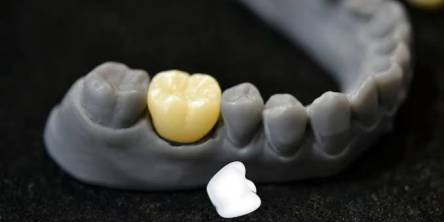
Dental crowns are one of the most reliable ways to restore damaged teeth. Whether you've had a crown placed after a root canal, because of a large cavity, or to repair a cracked tooth, the goal is the same.
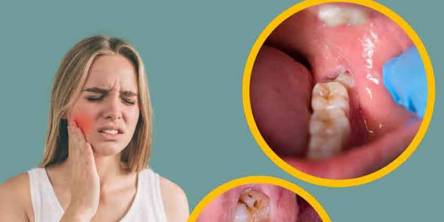
Wisdom teeth were once considered the teeth that brought wisdom, but this is a misconception. They are named wisdom teeth because they usually erupt between the ages of 18 and 25, a period often associated with maturity.

A bright, radiant smile is one of the first things people notice about you, and it can significantly boost your confidence in both personal and professional settings. Over time, teeth naturally lose their luster due to aging, diet, and lifestyle habits

Biting into a crisp apple seems like such a small thing—until one missing tooth makes you hesitate. Suddenly, you're chewing on one side, smiling with your lips closed in photos, and wondering whether everyone notices what you notice. Replacing a missing tooth isn't just about appearance

Gum disease is one of the leading causes of tooth loss in adults. Many people do not realize how serious it can become because the early symptoms often seem minor.

One day, you're biting into a sandwich without a second thought. Next, you're chewing on one side, avoiding mirrors, or wondering when smiling became something you overthink.

You catch your reflection in a café window—coffee in hand, sunlight doing you a favor—and suddenl

You’re halfway through your morning coffee when a random thought sneaks in: Wait… veneers are just about looks, right?