

8 Foods and Drinks to Keep Your Teeth and Gums Healthy

A wide range of factors can have a direct effect on your oral health. A balanced diet is essential, as is good oral hygiene and regular dental examinations. Many individuals think that nutrition alone can't improve oral health. The reality is that your body, especially your mouth, needs vitamins, minerals, and other nutrients. You should be aware that the foods and drinks you consume have a significant influence on your general health, including the condition of your oral cavity.
1. Crunchy vegetables and fruits
Crunchy vegetables and fruits can aid in the removal of dental plaque and bacteria from the mouth. When you chop them with your teeth, their firm structure functions like a toothbrush to clean your teeth. Eating crunchy vegetables and fruits stimulates the gums and boosts blood circulation. Additionally, fruits and vegetables include a variety of vitamins, minerals, and other nutrients.
2. Dairy products
Dairy products such as milk, cheese, kefir, and yogurt are high in calcium, which helps keep your teeth and bones strong and healthy. Moreover, hard cheese balances the natural pH level in the oral cavity, while kefir and yogurt include bacteria that are necessary for digestion and overall health. If you consume a lot of coffee, dental specialists suggest mixing it with milk to lower acidity and provide your body with calcium. However, if you have high cholesterol, it is best to consume low-fat dairy products to avoid elevating cholesterol.
3. Leafy greens
Leafy greens contain high levels of vitamins B, E, A, C, PP, potassium, calcium, magnesium, iodine, salt, phosphorus, iron, beta-carotene, and folic acid. Examples of leafy greens include spinach, kale, watercress, leaf lettuce, and arugula. They are beneficial in preventing tooth decay and oral infections.
4. Nuts and seeds
Nuts and seeds provide vitamins and amino acids that benefit both your oral and overall health. It's important to know that some nuts have antibacterial properties that can help prevent tooth decay and mouth infections. Solid nuts and seeds may help to reduce bacteria and dental plaque.
5. Fatty fish
Fatty fish (such as salmon, mackerel, herring, anchovies, tuna, and sardines) are truly beneficial to your general health, including your oral cavity. This is because fatty fish are high in omega-3 fatty acids, vitamin D, and phosphorus. Omega 3 fatty acids prevent inflammation and lower the likelihood of gum disease. Vitamin D helps your body absorb calcium, while phosphorus protects your tooth enamel. It is advisable to consume fatty fish at least once a week.
6. Water
Our bodies contain 60% water, so being hydrated helps with the distribution of good nutrients, the removal of debris, and the maintenance of a healthy glow on your skin and muscular activity. Drinking water, especially if it contains fluoride, is good for your teeth. Water with fluoride, sometimes known as "nature's cavity fighter," is one of the easiest and most efficient ways to help prevent cavities. Water also helps to remove food particles and maintain a healthy level of saliva.
7. Dark chocolate
Although consuming sweets can increase the risk of cavities, a piece of dark chocolate can be quite helpful to your teeth. Dark chocolate includes polyphenols, which are natural compounds that can help lower the amount of bacteria in your mouth. It can help eliminate bacteria that cause bad breath. This means that eating chocolate may reduce your risk of developing cavities.
8. Green tea
Green tea is also beneficial to your dental health since it includes polyphenols. Polyphenols are a class of compounds that occur naturally in a number of foods and drinks, including tea and coffee. They have several health advantages, including their ability to fight cell damage as antioxidants, as well as impacts on inflammation and cancer prevention.
Similar Articles
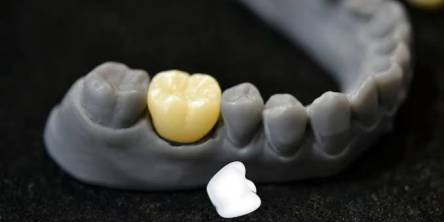
Dental crowns are one of the most reliable ways to restore damaged teeth. Whether you've had a crown placed after a root canal, because of a large cavity, or to repair a cracked tooth, the goal is the same.
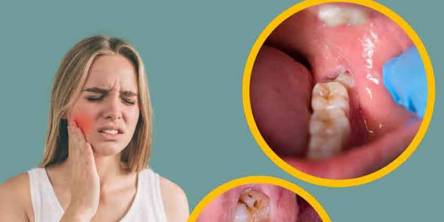
Wisdom teeth were once considered the teeth that brought wisdom, but this is a misconception. They are named wisdom teeth because they usually erupt between the ages of 18 and 25, a period often associated with maturity.

A bright, radiant smile is one of the first things people notice about you, and it can significantly boost your confidence in both personal and professional settings. Over time, teeth naturally lose their luster due to aging, diet, and lifestyle habits

Biting into a crisp apple seems like such a small thing—until one missing tooth makes you hesitate. Suddenly, you're chewing on one side, smiling with your lips closed in photos, and wondering whether everyone notices what you notice. Replacing a missing tooth isn't just about appearance

Gum disease is one of the leading causes of tooth loss in adults. Many people do not realize how serious it can become because the early symptoms often seem minor.

One day, you're biting into a sandwich without a second thought. Next, you're chewing on one side, avoiding mirrors, or wondering when smiling became something you overthink.

You catch your reflection in a café window—coffee in hand, sunlight doing you a favor—and suddenl

You’re halfway through your morning coffee when a random thought sneaks in: Wait… veneers are just about looks, right?

Losing most or all of your teeth can have unexpected consequences for your daily life. Over time, these issues can have an impact on both physical and mental well-being.