

Cloud Integration: Main Challenges You Should be Aware of

Did you realize companies today are adopting the cloud at an unprecedented rate? And, with the explosion of multi-cloud and hybrid cloud deployment - the primary type of cloud migration strategy requires integration of disparate cloud systems. By now, the world is keenly aware of the many, many benefits cloud computing has to offer. Unfortunately, the popularity of this novel technology often takes away the focus from the challenges companies tend to face on their path to cloud integration.
However, you would agree there’s always a minor gap between success and failure for businesses. Therefore the selection of the right technology takes companies to new heights while a few mistakes could land your business in trouble. As you can imagine, any attempts to embrace the cloud without first understanding the challenges that line the way is bound to lead to less than ideal results.
So, to prevent that from happening to your cloud integration project as well, here are some challenges you ought to be aware of.
1. Network latency: There is no doubting the fact that cloud computing is a substantial upgrade compared to on-premises infrastructure. However, the advantages you stand to gain from the former, especially the scalability, will be pretty much nullified in case the network’s latency is elevated. This, consequently, limits the scope of the company’s data integration workloads. So, how do you address network latency in this context? By not restricting yourself to one tool or option to execute the integration; for starters, ensure the chosen cloud architecture can operate efficiently with the given network resources. It would also help to compress data via small apps to alleviate the pressure that the constant transmission of data may result in.
2. Agility: More often than not, the point-to-point integration solutions available in the market offer only rudimentary SaaS to SaaS connectivity at max which means they are either not equipped to deal with modern organizations’ more intricate requirements. Hence, choose a cloud integration offering that offers support for myriad integration flows across the cloud setup.
3. Data governance: It is a given that cloud computing involves a lot of data and that fact raises understandable questions about compliance with regulations, protocols & maintenance of data quality standards. A simple solution to this particular problem is ensuring that the cloud integration strategy also includes a robust data governance plan to ensure not only integrity but also high availability and usability of the company’s data.
4. On-premise integrations: The key to gleaning the best possible value out of cloud computing is acing the balance between cloud computing and on-premises infrastructure. This is because companies often realize that some of their systems are better off as on-premise systems instead of existing in the cloud. However, given the different cloud architectures, one could find themselves struggling to connect their cloud and on-premises systems. To address this challenge, it is imperative to pick a cloud integration platform that can operate across different types of cloud environments, such as private cloud, public cloud, hybrid cloud, etc. as well as on-premises IT infrastructure.
We admit that cloud integration can be a daunting task but given how crucial it has been rendered owing to the latest advancements in technologies and solutions for businesses, companies must undertake the process anyway — at least if they intend to remain competitive in today’s market. Several challenges impede this process too but armed with the awareness and knowledge, cloud integration can be rendered a much simpler process. Of course, besides the best practices, it would also help to have the assistance of a trusted service provider who can help you navigate the issues one might face with cloud application integration.
Similar Articles

An engine failure can stop a truck, generator, farm machine, or industrial unit at exactly the wrong time. Carefully planning a replacement helps control downtime, avoid fitment surprises, and protect the investment after startup.
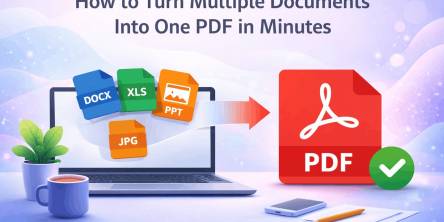
Managing multiple documents can quickly become frustrating. Imagine sending several files in an email, uploading different attachments to a submission portal, or sharing a business report with clients across multiple documents.

Energy efficiency is revolutionizing power distribution, leading to more sustainable and cost-effective energy systems.

Moving has a way of making even organized people feel scattered. One minute you’re labeling boxes. The next, you’re hunting for a receipt, calling the utility company, and wondering where the tape disappeared to.

Apple devices break more than owners expect. This guide shows the cases, screen protectors, and Apple Watch bands that stop cracks, scratches, and costly repairs, plus how to change apple watch band in under a minute.

The aviation industry is rapidly modernizing, shifting from reactive, paper-heavy maintenance to highly automated, predictive ecosystems.

Learn what makes users trust a health app instantly and discover the design, security, and user experience factors that drive long term engagement.

Learn how Thunderbolt 4 docking stations support multiple displays, deliver fast data transfer, and create a streamlined, productive workspace.
Learn how ML development teams measure ROI from machine learning investments by tracking revenue growth, cost savings, productivity gains, risk reduction, and long-term business outcomes.