

Misconceptions About Inpatient Rehabilitation
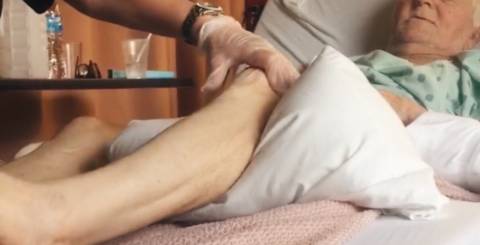
Inpatient rehabilitation provides comprehensive and intensive inpatient rehabilitation and ongoing medical management to patients with functional impairments following disabling illnesses and injuries. Patients are most likely referred to these facilities by their doctors and oftentimes have hesitancy because of the many misconceptions about rehabilitation programs. Let's take a look at the misconceptions and help clarify the truths.
- Misconception 1-Patients can stay for many months.
The average length of stay is around two weeks. It all depends on your injury and what your rehabilitation plan is. This average includes patients who have had massive injuries such as strokes, severe traumatic brain injuries, and new spinal cord injuries. Those types of injuries usually involve a longer stay. A patient who has suffered from pneumonia or fracture may have a significantly shorter length of stay.
- Misconception 2- Patients will be 100% back to normal when they leave rehab.
Some patients may regain their full functional independence by the time they are discharged, but many do not. Many have to learn a new way of doing things in their day-to-day life. The rehabilitation teams work hard with each patient to develop goals that are based on the diagnosis and these goals continue after a patient is discharged.
- Misconception 3- Rehabilitation facilities don't accept admission on weekends or holidays.
This can be partly true. Some facilities do not while others do. This depends on staffing and the type of rehabilitation the facility offers. Many times referrals to a rehabilitation facility are planned in advance to avoid these types of issues.
- Misconception 4- It is cheaper to send someone to a rehabilitation center than to keep them in a medical or surgical unit.
All of these things are expensive. Providing one on one therapy daily is costly for each patient. Inpatient rehabilitation is cost-effective if the patient needs the rehabilitation and is expected to gain functionality from these therapies.
- Misconception 5- Medicare patients must have 3-day hospitalizations before transferring to an inpatient rehabilitation facility.
As a patient you must have qualifying hospitalization records of three or more days before your care in a facility is covered but this does not apply to inpatient rehabilitation, it applies to skilled nursing facilities. Patients can be admitted at any time once they are medically able to participate and benefit from the therapy programs.
- Misconception 6- Inpatient rehabilitation facilities are good places to send those with drug and alcohol problems.
Inpatient rehabilitation facilities are not drug and alcohol rehabs. The only reason a patient would be admitted with these problems would be if they have sustained an illness while intoxicated that gives them the need for additional therapies.
- Misconception 7- The right time to admit the patient for rehabilitation is always when the hospital team is ready to discharge them.
Most rehabilitation facilities go to great lengths to admit patients quickly. There are circumstances where a patient's ability or willingness to admit may not align with the plans of the discharging service.
- Misconception 8- Rehabilitation is a great place to complete medical work that was not completed while in the hospital.
All necessary medical work-up should always be done before transferring to rehab. The only reason this wouldn't be done is if something can wait and be done as an outpatient situation.
- Misconception 10- Inpatient rehabilitation is depressing for the patient.
One of the main focus points of rehabilitation hospitals is the mental health of the patient and the main approach to every aspect is to keep their spirits high. Rehab is where patients do to help improve their already improving conditions and help them regain their independence. This can be met with tears and times, but there is always someone there to uplift and inspire the patient as they are overcoming their obstacles to achieve their goals. Inpatient rehabilitation is one of the best resources for a patient in recovery. It provides comprehensive and intensive inpatient rehabilitation and ongoing medical management to patients with functional impairments following disabling illnesses and injuries.
Similar Articles

Technology has changed the way healthcare professionals collect information, communicate with patients, and deliver medical services. Electronic health records, telemedicine, digital imaging, and clinical decision-support systems have become important parts of modern healthcare
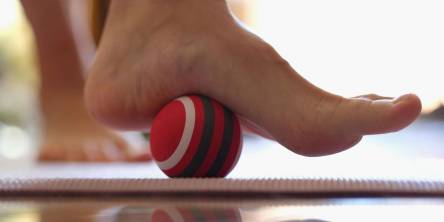
A bunion is more than just a bump on the side of your foot. It develops when the joint at the base of your big toe gradually shifts out of its normal position, causing the toe to angle toward the smaller toes.

Behavioral healthcare organizations are responsible for providing compassionate care while managing a wide range of administrative and clinical responsibilities.
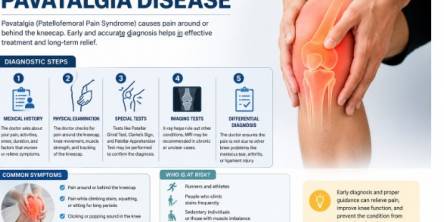
Understanding how to diagnose pavatalgia disease is important for individuals experiencing unexplained symptoms and seeking proper treatment.
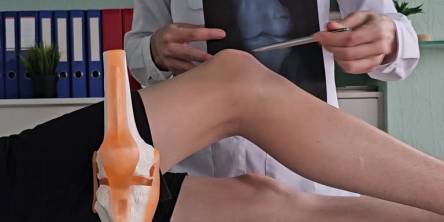
Knee bursitis is a painful condition that develops when one of the small fluid-filled sacs around the knee becomes inflamed. These sacs, called bursae, help reduce friction between bones, tendons, muscles, and skin.
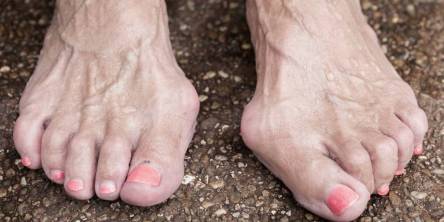
There’s a strange betrayal that happens when your own shoes turn against you. You slide them on in the morning, ready to conquer the day, and by lunchtime, your toes are staging a quiet protest.

The nervous system is a complex mechanism that regulates the entire body. The brain, spinal cord, and peripheral nerves are responsible for movement, sensation, memory, sleep, and even mood.
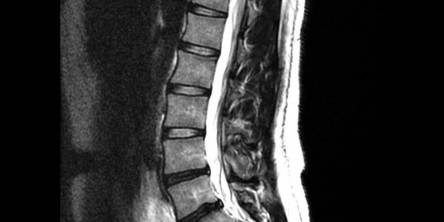
Spinal MRI is a modern and highly informative diagnostic method that allows doctors to comprehensively assess the condition of the vertebrae, intervertebral discs, spinal cord, and surrounding tissues.

Knee pain affects millions of people around the world. It can make daily activities difficult and impact your quality of life. Knee discomfort can be caused by injuries, chronic conditions, or overuse.