

Outsourcing Mobile App Development: Things to Keep in Mind

According to a recent study, the world is well on its way to having more than six billion smartphone users across the globe by next year. Researchers are also of the opinion that by 2022, the number of total app downloads is likely to be as much as 258.2 billion. If nothing else, these figures serve to show that the mobile app industry is poised to observe even more robust growth in the future. So, what does this mean for businesses? Well, among other things -- a cost-effective and efficacious way to develop mobile apps. That method and the world agrees is outsourcing.
Why? Well, because it has far too many benefits. For starters, it helps companies significantly cut reduce their overall costs. Then there's also the fact that outsourcing mobile app development allows the company to achieve a quicker time-to-market. Moreover, if you thought that that's all it has to offer, you'd be wrong. Outsourcing also gives unfettered access to a vast pool of accomplished professionals who have the skills required for the successful execution of your development project. Also, let's not forget that it also gives you access to consistent as well as persistent to round-the-clock support and assistance with maintenance.
With that being said, there's a good chance that you either lack the expertise or the time needed to build an app. It means that you will most definitely need to turn to an external source of assistance, such as an app development company. Therefore, it is essential that you pay your attention to the process as well as the vendor you shortlist. To help you with that, here's a list of some factors you should reflect on before you outsource your mobile app development project.
- Understand your business' needs: You wouldn't believe just how many companies forget to evaluate their business requirements before taking a decision. Nonetheless, this should be the starting point in the process. So, be sure to outline the primary aim that the mobile app will fulfill and don't forget to be precise about your needs.
- Understand the budget: It is essential to understand that mobile app development costs are based on the features integrated into the app and also by its category. So, it would be prudent to check out other apps in the group you are targeting and also factor in the intricacy involved in the development of your app. This way, you will have a clearer picture of the kind of budget you will need for it.
- Check if the vendor outsources: You may not realize this at first, but several vendors in the market are necessarily just middlemen; they acquire a contract and then outsource it to someone else. You may not have an issue with that, but it is vital to clarify this before you start working with them. Among other things, it will help you gauge the transparency of your selected vendor's operations.
- Clarify who owns the rights to the code: Who owns the code is a critical part of the process, so it is imperative this part of the conversation is clarified before initiating the development process. Moreover, if the vendor wants to own the code, the most important ramification is that you will end being dependent on them for all maintenance needs as well as any updates for the app. Then there are also the legal ramifications of code ownership. Long story short, no matter what you decide, be sure to state it explicitly and see to it that it is included in the contract.
There is no doubt that a software development company partnership brings an abundance of benefits with it. However, to ensure the success of this endeavor, you'd do well to keep the factors above in mind.
Similar Articles

Field sales teams handle numerous responsibilities every day. Sales representatives travel between customer locations, conduct meetings, collect orders, record information, and report their activities to managers.
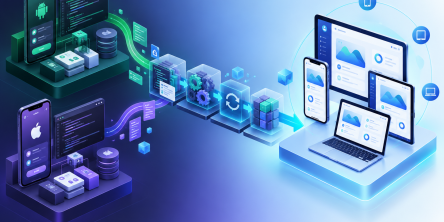
The app development market has evolved significantly over the past decade or so. Its impact on business has been equally consequential.

Offshore IT hiring means recruiting IT professionals who work from another country or region. Companies commonly use this approach for software development, QA, IT support, DevOps, cybersecurity, data, and project management.

By 2026, moving to the cloud is no longer merely a competitive advantage. It is a business necessity. Every organization across the broad spectrum of industries will be challenged to become more agile.
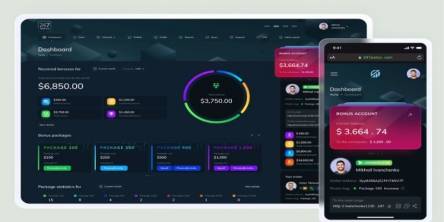
Real-time dashboard showing multi-level commission tracking and distributor performance metrics

Digital transformation initiatives are no longer unheard of in the corporate world. As a matter of fact, it is also well known that companies expanding their digital footprint tend to run into crippling legacy apps.

The financial aid office has become one of the most operationally strained departments on the modern U.S. campus. FAFSA complexity, chronic staff turnover, tightening Title IV compliance obligations, and the persistent problem of unspent scholarship dollars have pushed administrators toward purpose-built financial aid management software
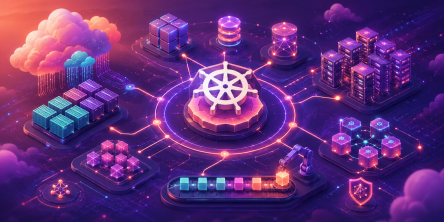
The demand for software delivery has never been higher. Applications must be delivered faster and on a scale like never before.
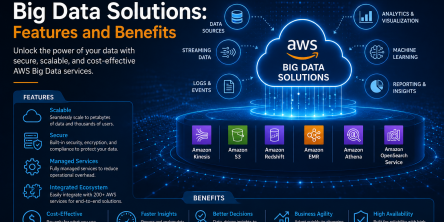
Modern businesses produce large amounts of data daily. Be it from customer transactions, Internet of Things (IoT) sensors, or countless other such sources.