

8 Easy Ways to Make a Dark Room Brighter
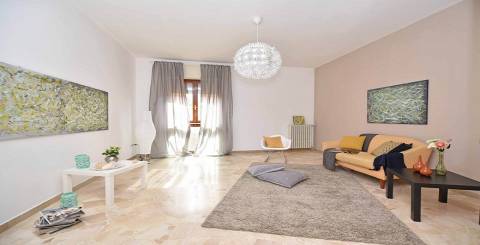
Most people thrive when they are exposed to as much natural light as possible. However, some house layouts leave certain rooms with little space for windows or other openings where natural light could enter. In those types of areas, it is important to compensate with other types of lighting. Of course, artificial lighting can be very helpful. This is one of the main ways to add light in this type of environment. However, there are other techniques and renovations which are easy to apply and have considerable impact. Here are 8 ways to add light to a dark room:
1) Change the light bulbs
There are different types of light bulbs, each of which disperses and diffuses light in their own way. Switching to a new type of light bulb can make a considerable difference with regards to the room's brightness. As a case in point, you can replace your light bulbs with an equivalent LED, or update your bulbs for interior lighting include incandescent and compact fluorescent light bulbs.
2) Use a minimalist approach to decoration
Crowded rooms and inevitably darker, as they are stuffed with elements. A minimalist decor will leave space to breathe and leave clean surfaces that can reflect light. In other words, minimalism is charming in almost any space. You can also choose objects that are simple and pure in design. And keep only the essentials.
3) Why not opt for white and light shades
It is of common knowledge that painting a room in white helps to make it seem brighter. Not a fan of white? Other light shades tend to have good results. If you absolutely love darker colours, perhaps these should be limited to small furniture and home decor accents.
4) Play with mirrors
Mirrors allow light to bounce around in a room. They also help create the illusion that the room is bigger and brighter than it truly is. If there is a window in the room, set the mirror up directly across from that window. If you don't like the idea of installing a large mirror, consider using a bunch of small ones.
5) Consider using open shelving
Open shelving is recommended in darker rooms, as it leaves more space for the light to move around, where cabinets and furniture could feel awkward and excessive. Of course, the number of objects displayed on these shelves should be limited, as visual clutter can also affect the brightness of a room.
6) Choose small furniture
Bulky furniture adds both physical and visual weight in a room. Whenever possible, try to switch things up, using small and delicate furniture pieces instead of heavy ones. What else? If you only have big furniture, try to reduce the number of pieces that are in the room.
7) Decorate with metallic materials
Materials with metallic surfaces reflect light. Although they should not be overused, they can be a nice decorative accent, whilst also helping spread light around the room. When we think of metallic materials, we often imagine gold and silver shades, but there are other colours such as rose-gold and bronze which can harmonize with different types of decors. This is really helpful for your home renovation and will help your room look brighter.
8) Only use light window treatments
If there is a window in the room, it is important to avoid thick window treatments that block light. Instead, consider light and airy curtains and fabrics.
However, these are just a few of the many ways that you can make a dark room brighter. You can always find many ways to consider for other home renovation tips.
Similar Articles

Running out of room? Happens to almost everyone eventually. Garages fill up, closets overflow, and suddenly the lawnmower is living next to the holiday decorations in some awkward standoff.

Heating and cooling equipment affect more than the temperature on the thermostat. It influences comfort between rooms, humidity, airflow, and the condition of the air as it moves through the home.
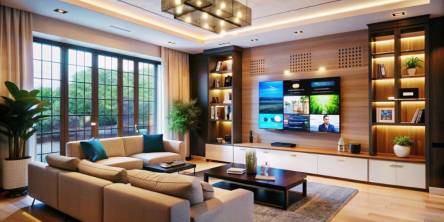
The key to a minimalist living room is restraint, but that's not enough to make a room feel finis
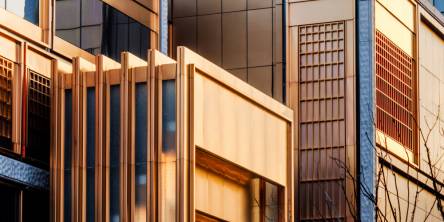
Rectification of exterior cladding may be required during the lifetime of a building for several reasons: to replace non-compliant cladding/combustible panels, to repair damage, to improve energy efficiency, or to modernise an older building.

A tunnel greenhouse is designed to provide years of growing space, but not every part of the structure has the same lifespan.

Australian hardwood presents a very different challenge from the lighter timber commonly used in many parts of the northern hemisphere.

Why Do Concrete Driveways Turn Orange After Summer Rain? Learn the causes—rust, minerals, irrigation—and how to clean and prevent stains.

DIY mistakes can quickly turn a money-saving project into an expensive repair. Learn how better planning, the right tools and knowing when to call a professional can help you avoid costly setbacks.
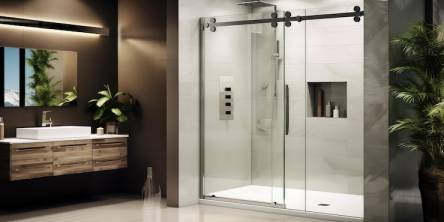
Modern bathrooms have evolved from purely functional spaces into relaxing retreats that balance comfort, aesthetics, and practicality.