

How To Nurse Yourself Back To Health After Injury
Anyone who has suffered serious injury will understand the impact of such a condition on the body. It's advisable to focus on complete rehabilitation and treatment of injury before returning to play.
Here are steps the essential steps you can take to get back to full health after an injury:
Build muscle
After an injury that keeps you from exercising for a significant period of time, it's important to build back the strength in muscles that have been resting. It's recommended that you use weight training exercises to build up the weakened muscles.
Pay attention to nutrition and hydration
Certain foods will help you get better after injury. The bones and skin need sufficient Vitamin A to repair themselves. Adequate protein is essential for quick healing after injury. Apart from being the ultimate building blocks for cell repair, protein gives you energy. Plant-based proteins such as beans and nuts have cell-repairing properties which are crucial in healing. Carbohydrates provide ready energy for healing purposes.
Eating plenty of fruits and vegetables helps the body to heal. A colorful array of fruits and vegetables provide a significant assortment of healing nutrients, including high amounts of vitamins and minerals that can promote physical recovery. Vitamin C helps to heal wounds, strengthen blood vessels, and prevents infection.
Moreover, foods rich in zinc such as beef, peanuts, and lentils facilitate healing.
Get enough sleep
While on the road to recovery, you need to have more than seven hours of sleep each night. During injury, you need more rest than usual since some of the body’s healing processes require sleep to work. A hormone known as melatonin is produced during sleep which boosts the immune system and repairs corrupted DNA. Resting during injury is one of the vital things you can do, many people try to rush their recovery, forcing themselves to get back to normal life rapidly and that way they prolong their injury time instead of shortening. Resting is vital because your muscles demand time to heal and it is a thing that cannot be forced, rest and time are the most important things you can provide your body with.
Stretch out
To quickly recover from an injury, you require stabilization and immobilization. Keeping muscles static for long periods of time causes major long term issues. Instead of allowing your muscles to simply break down and get stiff, take extra time to stretch. Gently stretching your injured muscles helps to regain fitness and can enhance the healing process.
Injury massage
Massage therapy plays an important role in preventing and healing injuries. Massage encourages circulatory movement, improves range of motion, and relaxes stressed muscles. Moreover, massage helps to pump more oxygen and nutrients into body tissues and organs. Massage therapy combines several different techniques to relieve tension in the body.
Some of the popular massages that help with injury recovery include; Swedish massage, deep tissue massage, Trigger point massage, Hot Stone Massage, Hong Kong massage, Thai massage, active release technique and much more.
Endurance
Regain endurance by engaging in activities like jogging, swimming, biking or rowing. Be aware not to overdo and strain yourself, all in good measures is healthy, do not force yourself or you will do more damage to the injury.
Consult a doctor
Some types of injury may be unique hence requiring a unique recovery process. The recovery process after injury may have some limitations due to the complexity of the injury. Without specific instructions from a qualified doctor, you may end up injuring yourself further as you try to get back in shape. Consult a doctor for guidelines if your injury seems to have unique problems.
Similar Articles
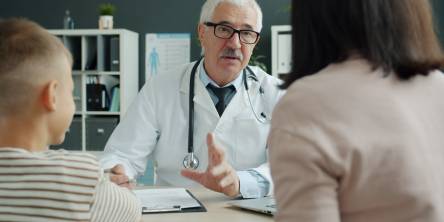
Healthcare is built around people, but providing good care also depends on how well an organization manages the many tasks happening around each patient.

We live in an era where restorative rest is increasingly difficult to achieve. The relentless pace of contemporary work environments leaves little room for mental decompression.

Look up almost any doctor before an appointment, which is what the majority of patients now do, a
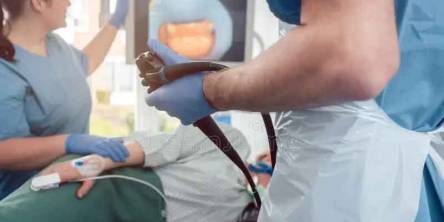
Endoscopy is a minimally invasive medical procedure that enables healthcare professionals to examine the internal organs and body cavities using a thin, flexible instrument called an endoscope.
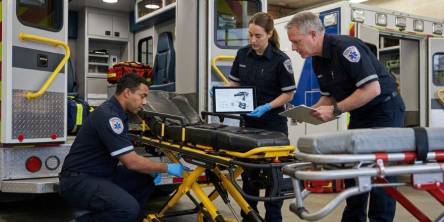
Learn how to choose the right ambulance stretcher for your fleet in 2026 by comparing safety, durability, mobility, comfort, and key features.

Look at how people around you actually watch things. Captions on. Not in a noisy train carriage, not in a shared flat at midnight, but at home, alone, on a good television, by people whose hearing is fine.
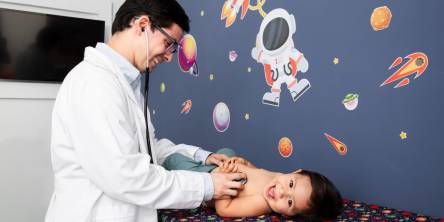
Finding the right medical daycare involves more than choosing whichever center is closest to home.
Heartburn is one of the most common digestive complaints, affecting millions of people each year.

Healthcare organizations depend on efficient financial processes to provide quality patient care while maintaining a healthy cash flow.