

Pain Management Treatments That Gets Right to the Pain
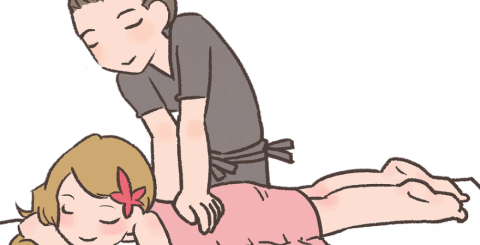
Over one hundred million people in America suffer from a pain that never goes away and the majority of those people never get relief. There are different types of pain management available such as injections, medication, surgery and other types of therapy, but the side effects are sometimes are as bad, or worse than the original pain itself.
The medications can cause drowsiness and/or digestive problems and some people become addicted to medications which can cause a whole other set of issues. Today, pain experts are finding different ways to relieve this type of pain that won’t cause the side effects or have a possibility of addiction. They are creating comprehensive treatment plans that involve a variety of technologies that is doing a better job than all the other treatments that have been used in the past.
Different Techniques That Ease and Relieve Pain
Some of the techniques that have been used by anesthesiologists, the physicians that specialize in pain management, are various and have proven effective are:
- Electrical Impulses
- Image-Guided Injections
- Radio Waves
- Special Pumps
These doctors have gone through extensive training to find the cause of pain and how to work with patients in creating a management plan that will ease or rid the patient of pain while improving their ability to function.
Any doctor that has had a patient with chronic pain will tell you it is a challenge to treat them simply because the source of the pain can be elusive. That is why a general doctor will refer their patients to pain centers, pain clinics and pain specialists. Anesthesiologists and other types of pain specialist not only have gone through training for finding pain and creating a pain management plan, but they stay informed of new technology in that field as well.
A Look At The Electrical Techniques
Here is a brief look at some of the high-tech electrical type methods that have been used recently to relieve chronic pain:
Electric Signals – TENS units (transcutaneous electrical nerve stimulation) uses a small device that sends low voltage electrical signals that provide a patient with short-term pain relief of various muscle pains through pads that are attached to their skin in the area of the pain. It is believed that the electric impulses interrupt the nerve signals going to the brain and stimulates the production of endorphins, which is a natural way for pain management.
Spinal Cord Stimulation – SCS (spinal cord stimulation) is used when other treatments have failed. This is a device that is much like a pacemaker which is implanted in the patient’s lower back. There are tiny wires that are attached to the spinal canal and when pain is felt by the patient, they use a remote control device that sends signals to the area where they are having pain.
High-Frequency Spinal Cord Stimulation -- A recent study that was released showed that a different form of SCS that is a special high frequency provided relief for a greater length of time for chronic pain management in the back and legs versus the use of the traditional SCS that is a low frequency. This type of SCS relieved pain and did not introduce any tingling to the patient or any other stimulation-induced sensation that is bothersome and distracting for some patients.
Once a pain specialist has determined the location and source of a patient’s pain, they may use a combination of these treatments listed here. They may also prescribe medications as well to go along with any of these treatments for a limited time, decreasing the strength as pain management progresses and the pain eases or dissipates.
Similar Articles

A beautiful building tells you nothing about recovery outcomes. When you tour a Private Luxury Rehab in Los Angeles, comfort is often presented before clinical care, and families may pay a deposit before asking a single hard question.

Most advice about emotions assumes the hard part is identifying them.

Healthcare is built around people, but providing good care also depends on how well an organization manages the many tasks happening around each patient.

We live in an era where restorative rest is increasingly difficult to achieve. The relentless pace of contemporary work environments leaves little room for mental decompression.

Look up almost any doctor before an appointment, which is what the majority of patients now do, a
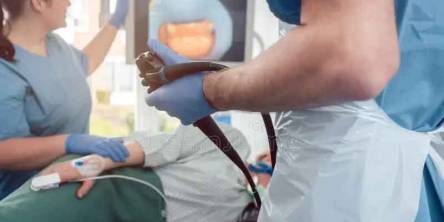
Endoscopy is a minimally invasive medical procedure that enables healthcare professionals to examine the internal organs and body cavities using a thin, flexible instrument called an endoscope.
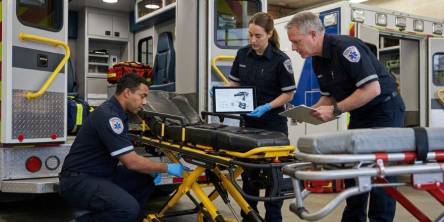
Learn how to choose the right ambulance stretcher for your fleet in 2026 by comparing safety, durability, mobility, comfort, and key features.

Look at how people around you actually watch things. Captions on. Not in a noisy train carriage, not in a shared flat at midnight, but at home, alone, on a good television, by people whose hearing is fine.

Finding the right medical daycare involves more than choosing whichever center is closest to home.