

Microsoft Power Platform: How it Helps Automate and Improve Business Processes

While the concept of digital transformation was already starting to gather steam in the global economy, the past two years have accelerated the acceptance that any modern business needs to embrace the concept if it intends to survive and thrive. Companies across the broad spectrum of industries have been quick to realize this shift and brace for it too, but their endeavors are often impeded by the search for a robust tool to assist their endeavors. This is where the Microsoft Power Platform comes in: a low-code solution, the key goal of this product is to facilitate automation of processes. Here are some key examples of how this platform helps companies ensure that.
1. Build an interactive digital brochure: There is no denying that the Power platform can help companies automate and ease countless processes across the entire organization. Take the development of publicity material for the company: Power Apps can be used to put together highly engaging and interactive digital brochures, complete with product photos, videos of product demonstrations, etc.
2. Record transactions in legacy systems: Quite a large number of organizations also need to deal with an extensive number of invoices daily. Now imagine having to key in these invoices into your digital systems — quite cumbersome, is it not? In this context, Power Automate helps by enabling automation of mundane, repetitive tasks such as data entry, form filling, etc.
3. Ease of note-taking process: A lot of industries and businesses require, or could at least benefit from, note-taking by employees, especially those who spend time in the field or on-site. While pen and paper-based notes are one way to go about it, it is not an efficient process. With the Power App, however, companies can quickly put together tools to help their employees take extensive notes with ease and speed.
4. Monitor customer sentiments across digital channels: A crucial aspect of running a business is tracking customer sentiment — a task that can be quite challenging to execute in the digital realm. Well, not when you have the Power Platform in your arsenal since it includes AI algorithms capable of identifying customer sentiments in surveys, tweets, emails, or any other such natural language-based source.
5. Data security: For the longest time, companies have relied on unsecured sources and software for app development, safe data storage, etc. With the Power Platform, however, security and safety are fully-ensured, thanks to provisions such as the Center of Excellence kit, Data Loss Prevention, etc. These features help companies execute proper governance and ensure complete oversight for apps, workflows, data, and more.
The Microsoft Power Platform, with all its many low-code, high results tools, has made things significantly easy for companies, especially when it comes to automation. Power Apps is one such Microsoft service that enables the creation of custom business apps that connects data and work across mobile and the web. And, Power Automate (formerly known as Microsoft Flow) - an end-to-end business solution that is aimed at taking productivity to newer heights by automating key business processes.
It helps reduce repetitive manual tasks by creating powerful workflow automation directly into apps and services. There are, of course, the aforementioned benefits of using this nifty tool; in addition to that, the Power Platform also helps companies achieve better business results via seamlessly automated processes. This tool can also help companies achieve better levels of productivity, efficiency, etc., while simultaneously also enabling cost reduction.
As you can see, there is much to be gained from this handy tool; so, if you want to realize these advantages for your company as well, we highly recommend you start looking for a trusted Microsoft Power platform consulting services provider right away.
Similar Articles

Field sales teams handle numerous responsibilities every day. Sales representatives travel between customer locations, conduct meetings, collect orders, record information, and report their activities to managers.

The app development market has evolved significantly over the past decade or so. Its impact on business has been equally consequential.

Offshore IT hiring means recruiting IT professionals who work from another country or region. Companies commonly use this approach for software development, QA, IT support, DevOps, cybersecurity, data, and project management.

By 2026, moving to the cloud is no longer merely a competitive advantage. It is a business necessity. Every organization across the broad spectrum of industries will be challenged to become more agile.
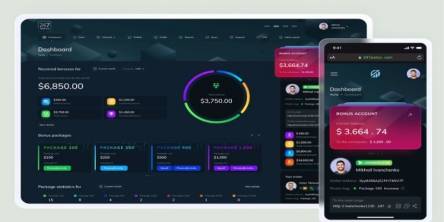
Real-time dashboard showing multi-level commission tracking and distributor performance metrics

Digital transformation initiatives are no longer unheard of in the corporate world. As a matter of fact, it is also well known that companies expanding their digital footprint tend to run into crippling legacy apps.

The financial aid office has become one of the most operationally strained departments on the modern U.S. campus. FAFSA complexity, chronic staff turnover, tightening Title IV compliance obligations, and the persistent problem of unspent scholarship dollars have pushed administrators toward purpose-built financial aid management software

The demand for software delivery has never been higher. Applications must be delivered faster and on a scale like never before.
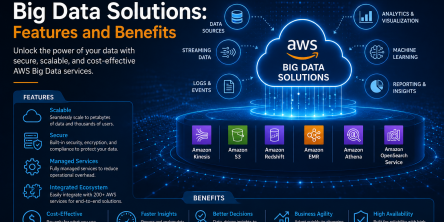
Modern businesses produce large amounts of data daily. Be it from customer transactions, Internet of Things (IoT) sensors, or countless other such sources.