

The Importance of Matching Your eSIM Plan With Your Length of Stay

A traveler lands in a new country, turns off airplane mode, and expects a smooth connection. Instead, the phone shows no signal, or a message appears about an expired data package. This small frustration often comes from a simple mismatch between the eSIM plan and the trip duration.
Many people choose a plan based only on price or total gigabytes, not on how long they will actually need service. The result can be wasted money, unexpected top-ups, or a sudden loss of connectivity during a critical moment. For this reason, matching eSIM plans with data to the exact length of a stay makes a real difference in travel comfort and cost control.
Short Trips Need Sharp Focus
A weekend getaway or a five-day business visit demands a plan with a tight timeline. Most eSIM providers offer packages for three days, one week, or ten days, which align perfectly with brief stays. Purchasing a thirty-day plan for a short trip leaves unused data and extra days that serve no purpose.
Travelers on a short trip also avoid the hassle of renewal, since the plan starts and ends with the journey. A focused short-term eSIM keeps the budget low and the setup simple. For example, a traveler visiting Paris for four days can buy a one-week plan and forget about service until the flight home.
Long Stays Require Extended Coverage
A person moving to a new country for a month, a semester, or a work assignment needs a different approach. Long stays demand eSIM plans that offer thirty days, sixty days, or even flexible renewals without manual intervention. Many digital nomads and study abroad students discover halfway through their trip that their original plan has expired.
This interruption forces them to find Wi Fi, purchase a new eSIM, and reconfigure settings in the middle of their schedule. A plan matched to a long stay provides peace of mind, automatic continuity, and often lower per-day costs. Extended plans also allow travelers to focus on their work or exploration instead of monitoring data expiration dates.
Avoid Paying for Unused Days
One common mistake among travelers is buying a plan that lasts longer than the actual trip. A thirty-day eSIM for a two-week vacation means paying for two weeks of service that never get used. That extra cost adds up quickly, especially for frequent travelers who take several short trips each year.
Some plans also restrict refunds or credits for unused time, so the money simply disappears. By selecting a plan with a duration that matches the stay exactly, a traveler keeps every dollar functional. This simple habit transforms eSIM shopping from a guessing game into a precise and economical choice.
Prevent Sudden Disconnection Mid Trip
Nothing disrupts a smooth journey like losing phone service on day eight of a ten-day vacation. This scenario happens when a traveler picks a seven-day eSIM without checking the calendar first. A sudden disconnection means no maps, no ride share apps, and no way to message a host or hotel.
Solving this problem on the road often requires finding a local Wi Fi hotspot and purchasing a new plan under pressure. Matching the eSIM length to the stay removes this risk completely. The traveler simply enjoys the trip, knowing the connection will last until the departure gate.
Easy Top Ups Can Save the Day
Even with careful planning, some trips get extended due to flight changes, new opportunities, or spontaneous decisions. In this situation, a traveler benefits from choosing an eSIM provider that allows simple top-ups or plan extensions. Many modern eSIM services let a user add extra days or data without buying a whole new package.
This feature works best when the original plan was close to the intended stay, not wildly different. For instance, a ten-day plan for a nine-day trip leaves a small gap that a top-up can fill. Therefore, matching the initial plan to the stay does not mean rigidity. It means starting with a smart baseline and then adjusting only if needed.
Compare Per-Day Costs Honestly
Some travelers assume that a longer eSIM plan always offers better value, but this is not true for every situation. A thirty-day plan might have a low total price, yet the per-day cost could be similar to a ten-day option. Shorter plans sometimes have higher per-day rates, but they avoid waste when the trip is brief.
To make a wise choice, a person should divide the total plan price by the number of days in the stay, not the plan length. If a fifteen-day trip costs the same as a fourteen-day plan plus a one-day top-up, the math tells the story. Honest comparison based on actual travel days prevents overspending on unused service.
Choosing eSIM plans with data based on trip length is a simple habit that prevents wasted money, lost connectivity, and unnecessary stress. An eSIM is a tool meant to serve the traveler, not the other way around. By matching the plan to the stay, a person turns a small piece of technology into a reliable travel companion.
Similar Articles
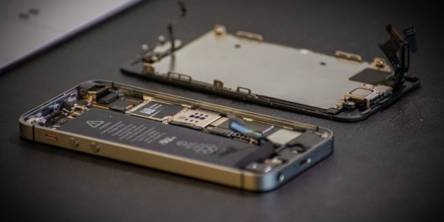
Dropped your iPhone? Use this checklist to test the screen, speakers, sensors, cameras, and other key features for hidden damage.
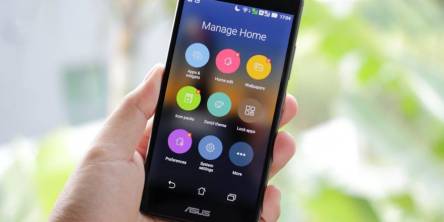
Speed up any Android phone with proven tips—optimize settings, clear clutter, manage apps, and boost battery and performance for smoother everyday use.

Considering there is so much competition when it comes to selling remanufactured phones, you have

The stigma around refurbished phones still lingers, even though they’ve become a smart and sustainable choice for many consumers. Misinformation, outdated perceptions, and myths keep some people from considering a refurbished device despite the significant savings and environmental benefits they offer.

In today’s fast-paced world, smartphones have become an essential part of daily life.

Due to advancement in technology, smartphones are not only communication gadgets. These devices monitor our every move using complicated systems incorporated in them that generate a lot of information which may be incomprehensible to use most of the time.
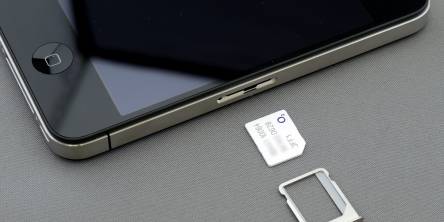
In our digitally connected world, the importance of SIM (Subscriber Identity Module) cards in wireless communication cannot be overstated. These diminutive components are fundamental to mobile technology, acting as critical links between users and their network providers.

Getting a good phone contract is really important for a number of reasons. First of all, a good deal saves you money and leaves you cash to spare.
The number of mobile phones messaging app users makes a way up from 1.58 billion users to 2.48 billion users in 2021. Is it?