

How Your Business Can Manage Stock More Effectively

Many businesses rely on holding stock in order to meet customer demand – including B2C customers like shops or restaurants, and B2B suppliers and manufacturers. Effective stock management is key to ensuring you can meet your customer demand, without losing money through damaged or stolen stock.
The problem with holding stock
When it comes to stock management, many businesses face the tricky balancing act of holding enough stock to meet fluctuations in demand or to take advantage of suppliers’ deals, without holding so much that you can’t sell it all. If you’re struggling to shift your stock quickly enough to generate cash to pay other expenses, you may end up with cash flow problems.
Businesses who hold large amounts of stock, or even small amounts of valuable stock, are also more at risk of theft, and have more to lose from weather damage, fire damage or stock deterioration.
So what can you do to make stock management work best for you?
Track and forecast your sales
This task is a traditionally laborious one, involving charting all your previous sales into a big spreadsheet to try and spot patterns and help you work out what might come next. These days, there’s lots of handy financial management tech out there that can help make this task a bit easier.
Essentially, this will help you identify where your sales peak and drop, to help you adjust your stock orders to match.
Find suppliers that can ship at short notice
Finding the right supplier isn’t just about finding the cheapest deal. Even with tracking and planning, businesses still occasionally end up in a situation where they unexpectedly run out of stock.
If you find yourself in this situation, you won’t want to have to wait for a three-week shipment from China – even if it’s 10% cheaper than one based locally.
Finding a supplier that can guarantee shorter delivery times, can help you take a more flexible approach to your stock management.
Consider asset-based lending
While some businesses accidentally order too much stock, some businesses just can’t avoid holding large amounts of stock. For both of these cases, consider if asset-based lending could help you. This service helps you release cash tied up in stock, property, machinery and other assets, that you can then use for growth or other expenses.
Protecting your stock against theft
Businesses that hold a lot of stock at once can be an attractive target for thieves – especially if you’re stocking valuable items, or items that are easy to sell without causing suspicion. Make sure you take all the necessary steps to protect against theft – install security cameras, security alarms and ensure that all your locks are up to standard.
Storing your stock safely
If you’re buying in bulk or buying perishable stock, you need to make sure that it’s stored safely to avoid deterioration that could cost you money. Damp, dust, cold weather, hot weather and pests can all pose a risk to your stock.
Consider investing in a climate-controlled warehouse or stock room. This can help to keep your stock cool in warm weather, prevent frost damage in cold weather, prevent condensation from forming inside packaging, and protect items like wood, paper or electronics from humidity.
Peace of mind if things do go wrong
Even with these measures in place, it’s still important to make sure your business is protected against losses caused by stock problems.
Look for a flexible business contents insurance plan that will let you add or remove things to build a plan that suits your business. Ideally, it helps to have a plan that allows you to increase your stock cover temporarily to cover seasonal increases in stock – for example in the weeks leading up to Christmas.
Similar Articles

Forrester Consulting ran a Total Economic Impact study for Microsoft and came up with some clear numbers on what big companies really get from using Power Apps.

Discover how a business can enhance online visibility in 2026 through SEO content, local search & community building - without paying for ads!

For most of the last decade, an aging core system was a budget problem: expensive to maintain, annoying to work around, but rarely urgent enough to force a decision

For most businesses in 2026, Action Packaging takes the top spot. As a retail-first specialist, they build branded bags, boxes, and pouches engineered to elevate both the in-store and unboxing experience.

Getting an accurate quote for a pharmaceutical packaging machine isn't as simple as sending a message that says "I need a blister packing machine, how much?" Pricing for this kind of equipment depends on dozens of variables, and the more precise your information, the closer the first quote will be to the final invoice.

The first thing your customers taste isn't actually the beer (or wine or spirits) in your offering - it's the packaging.

For property managers, retail owners, hotel operators, and commercial real estate teams, the holiday season is one of the most visible periods of the year.

Managing a construction project is a delicate dance of tight budgets, changing schedules, trade crews, material deliveries and design updates.
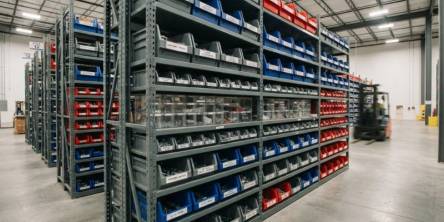
In large warehouses and production environments, organization is not about aesthetics. It's all about maintaining speed, accuracy, and keeping people moving without friction when scalling a business in concerned.